Written & reviewed by Dr Akanksha Sharma, MBBS, MD (Preventive & Community Medicine) | Founder, IYSA Nutrition, Singapore
Nobody tells you quite how debilitating morning sickness can be. The name itself is misleading; “morning” sickness happens at 2 pm, during your commute, in your office meeting, while cooking dinner, and sometimes, relentlessly, all day long. For many women, the first trimester of pregnancy is defined not by the wonder of new life, but by the very unglamorous reality of nausea, food aversions, and the inability to eat a proper meal.
Up to 80% of pregnant women experience nausea and vomiting in the first trimester, typically starting around week 6 and peaking between weeks 8 and 10. For most women, it resolves by weeks 12–14. For some, approximately 1–2%, it becomes hyperemesis gravidarum, a severe form requiring medical intervention.
As a Preventive Medicine physician and nutrition specialist who works with pregnant women daily, I want to give you a practical, evidence-based list of foods that genuinely help, not generic advice, but specific foods with mechanisms that explain why they work, and guidance on how to use them in an Indian kitchen context.
Related reading:
👉 Balanced Pregnancy Diet at 6 Months
👉 10 Foods Pregnant Woman Should Eat for a Healthy Pregnancy
👉Nausea in Third Trimester: Causes and Nutritional Fixes
Why Does Morning Sickness Happen?
Understanding the mechanism helps you choose the right remedies. Morning sickness is driven primarily by rapidly rising human chorionic gonadotropin (hCG), the hormone produced by the developing placenta. hCG peaks around weeks 8–10, which correlates with peak nausea. Oestrogen also rises steeply in early pregnancy and sensitises the vomiting centre in the brainstem. Additionally, the gastrointestinal tract slows during pregnancy (progesterone relaxes smooth muscle), which delays gastric emptying and contributes to the feeling of fullness, bloating, and nausea.
The key dietary strategies that work are those that: stabilise blood sugar (an empty or low blood sugar state worsens nausea), settle gastric motility, reduce acid reflux, and address the specific neurotransmitter pathways involved in the vomiting reflex.
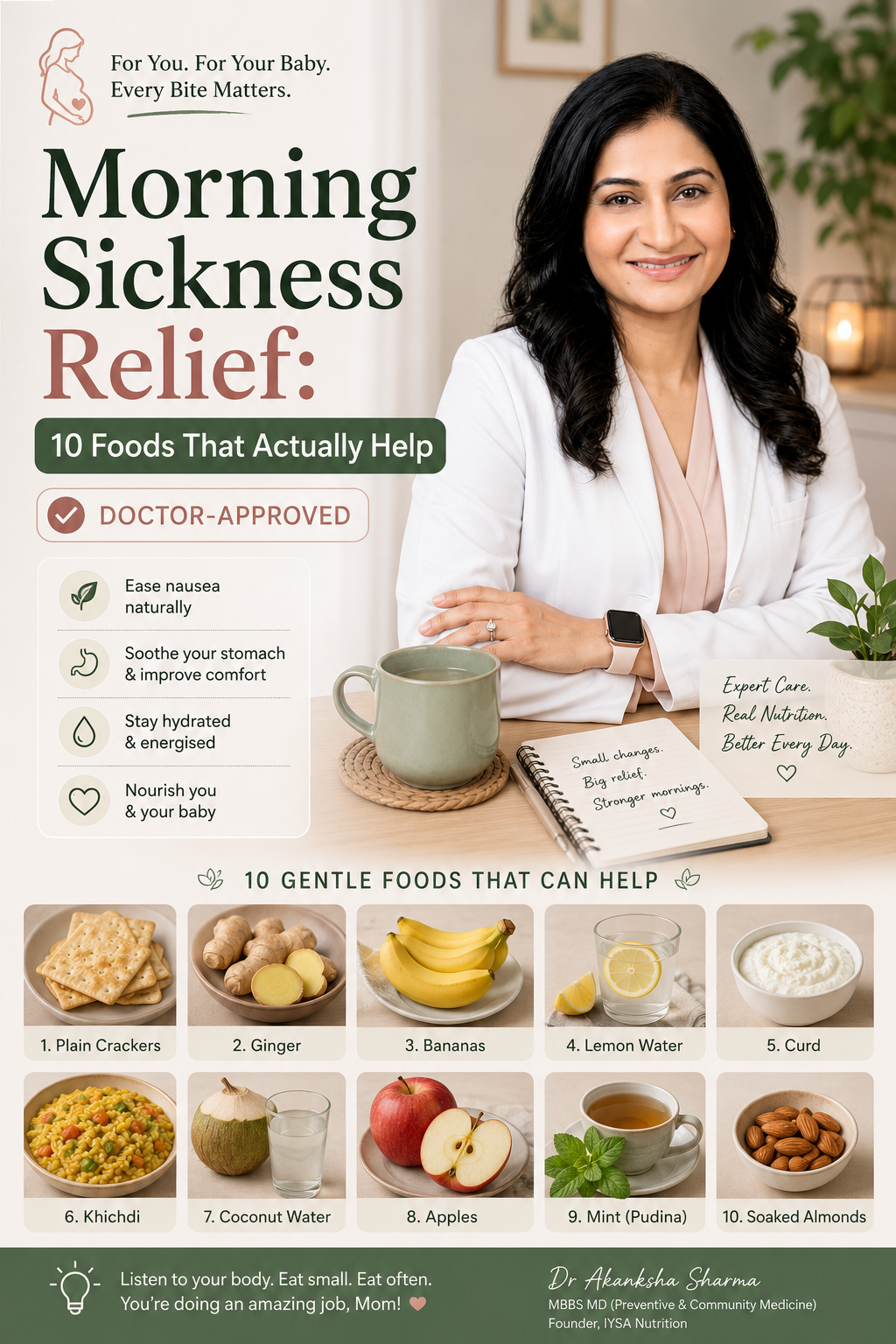
10 Foods That Genuinely Help Morning Sickness
1. Ginger (Adrak) — The Gold Standard
Ginger is the most well-studied natural remedy for pregnancy nausea, with multiple randomised controlled trials demonstrating its effectiveness. The active compounds in ginger, gingerols and shogaols, work by blocking the 5-HT3 receptor (serotonin receptor) in the gut and brain, which is the same mechanism used by some anti-nausea medications. Ginger also accelerates gastric emptying, reducing the bloated, stagnant feeling that worsens nausea.
How to use it in an Indian kitchen:
- Fresh adrak grated into warm water with a squeeze of lemon — sip slowly in the morning before getting out of bed
- Adrak chai with a small amount of tea — 1 teaspoon grated ginger, minimal tea leaves, a small amount of milk
- Ginger laddoos — a traditional remedy that works beautifully and is easy to carry
- Adrak candy or crystallised ginger — good for on-the-go nausea management
- Add fresh ginger generously to dal, khichdi, and sabzi during cooking
Evidence: A 2014 Cochrane review found ginger more effective than placebo for nausea severity in pregnancy, with an effect size comparable to vitamin B6. The studied dose is typically 250 mg of ginger extract four times daily, equivalent to approximately 1–2 teaspoons of fresh grated ginger per day.
2. Plain Khichdi — The Ultimate Nausea Food
This may not make any top-10 list in Western pregnancy nutrition guides, but for Indian mums, khichdi is arguably the single most valuable food during the first trimester. Here is why it works so well:
- Bland: Minimal strong flavours that trigger aversions
- Warm and soft: Easy to eat in small portions without chewing effort
- Nutritionally complete: Rice provides quick energy to stabilise blood sugar; moong dal provides protein and folate; a small amount of ghee provides fat to slow gastric emptying
- Easily digestible: The combination of rice and moong dal is one of the lowest-flatulence, easiest-to-digest protein sources available
- Customisable: On better days, add jeera, ginger, ajwain (carom seeds), and turmeric, all of which support digestion
Ajwain (carom seeds) deserves a special mention; they are a traditional Indian digestive that reduces bloating and gas, both of which worsen nausea. A small pinch of ajwain in khichdi or dal is an excellent addition to relieve nausea during pregnancy.
3. Makhana (Fox Nuts / Lotus Seeds)
Makhana are one of the best snack foods during pregnancy nausea for several reasons. They are bland, light, easy to digest, and do not have a strong smell. They provide a small amount of protein and carbohydrate that stabilises blood sugar between meals, which is critical for nausea management. They are also non-perishable, easily portable, and can be eaten at any time of day or night without preparation.
Keep a small bowl of plain roasted makhana on your bedside table. Eating 8–10 pieces before getting out of bed in the morning, before you are fully upright, can significantly reduce the intensity of morning nausea. This is a clinical tip I give to almost every pregnant patient I see.
4. Cold Coconut Water
Hydration is critical during pregnancy. Nausea and vomiting lead to fluid and electrolyte loss that worsens fatigue and can trigger further nausea in a vicious cycle. However, plain water is frequently nauseating in the first trimester, particularly when drunk in large quantities or when warm.
Cold coconut water is often exceptionally well tolerated. It provides natural electrolytes (potassium, sodium, magnesium), a small amount of natural sugar for blood glucose stabilisation, and is gentle on the stomach. It is also available in single-serve tetra packs across Singapore’s FairPrice, Cold Storage, and hawker centres, making it easy to access throughout the day.
Sip cold coconut water slowly throughout the day rather than drinking large amounts at once. Aim for 200–300 ml per sitting.
5. Plain Banana
Bananas are one of the most nausea-friendly foods available. They are bland, soft, require no preparation, and are extremely well tolerated by most women, even at the height of first-trimester nausea. Nutritionally, they provide:
- Vitamin B6 (pyridoxine) — approximately 0.4 mg per medium banana; B6 is one of the most well-evidenced nutrients for nausea reduction in pregnancy
- Potassium — important for replacing electrolytes lost through vomiting
- Natural sugars — provide quick blood glucose stabilisation
- Pectin — a soluble fibre that is gentle on the stomach lining
Keep bananas on your kitchen counter and bedside table. A banana and a small handful of makhana is one of my most recommended emergency nausea snacks; it provides B6, carbohydrate, protein, and fat in a completely tolerable package.
6. Nimbu Paani (Lemon Water) — Cold, Not Hot
The smell and taste of lemon is one of the most reliably helpful sensory interventions for pregnancy nausea. The mechanism is partially psychological (a focused, neutral scent that overrides nauseating smells) and partially physiological, citric acid stimulates digestive secretions, and the sour taste activates the vagus nerve, which regulates gastric motility.
Cold nimbu paani, lemon juice in cold water with a pinch of kala namak (black salt) and a small amount of sugar or jaggery, is a rehydrating, nausea-easing drink that also provides vitamin C to enhance iron absorption. It is also excellent for managing the food-smell aversion that affects many Indian women who cannot be near a kitchen during cooking.
Keep a sliced lemon nearby during meals. Simply smelling lemon zest, scratching the skin of the fruit, can provide near-immediate nausea relief for many women.
7. Plain Dahi (Yoghurt) — Cold and Unflavoured
Cold plain dahi is nutritionally valuable (protein, calcium, B12, probiotics, iodine) and is almost universally tolerated even during severe nausea. The cold temperature reduces its smell, and its smooth, bland texture is easy to eat in small amounts. The probiotics in dahi support gut microbiome balance, which is important as gut dysbiosis can worsen nausea.
A small bowl of cold dahi eaten slowly is often the most reliable source of protein intake during peak nausea weeks. Avoid sweetened or flavoured commercial yoghurts; the added sugar, artificial flavours, and thickeners are poorly tolerated. Plain homemade or commercial plain dahi (such as Nestle or Amul plain dahi in India, or Greek yoghurt in Singapore) is ideal.
8. Whole-Grain Crackers or Plain Toast — The 2 am Solution
One of the most consistently effective tips for managing morning sickness is eating something plain and starchy before getting out of bed. The reason is simple: overnight fasting drops blood glucose, and low blood sugar is a major nausea trigger. Having something in your stomach before you are fully upright interrupts this cycle.
Plain whole-grain crackers (Marie biscuits, plain digestive biscuits, or multigrain crackers), plain toast with a very thin spread of peanut butter or plain ghee, or a few plain rotis left from the previous night, all work well. The key qualities are: bland, starchy, room temperature or slightly warm, and eaten slowly.
Keep crackers or plain bread on your bedside table every night. This is particularly important for women who experience severe nausea in the morning before their feet hit the floor.
9. Watermelon and Cold Fruits
Cold, high-water-content fruits, watermelon, cucumber (yes, technically a fruit), chilled grapes, and frozen mango pieces — are often surprisingly well tolerated during morning sickness. They provide hydration, natural sugars for blood glucose support, and cooling relief that many nauseous women find comforting. The cold temperature minimises food smell and provides a mild sensory distraction from nausea.
Watermelon specifically is approximately 92% water and provides lycopene (an antioxidant), vitamin C, and potassium. During weeks when eating a proper meal feels impossible, a bowl of chilled watermelon cubes is a meaningful contribution to both nutrition and hydration.
10. Soaked Almonds — The Pre-Bed and Pre-Breakfast Insurance
Four to five soaked almonds eaten slowly, either before bed or before getting up in the morning, provide a small amount of protein, healthy fat, magnesium, and vitamin E. The fat and protein in almonds slow gastric emptying slightly, which helps maintain stable blood glucose levels through the night and into the morning. Soaking makes them softer and easier to digest, and removes some of the phytates that can cause digestive discomfort.
Soaked almonds have a mild, neutral flavour and smell, making them one of the few foods that remain tolerable even to women with severe food smell aversions. Keep a small bowl of soaked almonds (soaked overnight in water) in the refrigerator for easy access.
👉 Pregnancy & Postpartum Nutrition: A Doctor-Reviewed Guide
👉First Trimester Nutrition: A Week-by-Week Food Guide for Indian Mums
If you are a woman struggling with optimising your diet during pregnancy:
👉 Join my program Nourish Nine: Doctor-Led Pregnancy Nutrition & Care Program (Trimester-Wise, 3 months)
Eating Strategies That Work as Well as the Foods Themselves
Food choices matter, but an eating strategy often matters more. These are the four rules I give every pregnant patient struggling with nausea:
Rule 1: Never Let Your Stomach Be Completely Empty
An empty stomach is a nauseous stomach. The acid that continues to be produced even when you are not eating irritates the empty stomach lining. Keep a small amount of food in your stomach at all times, even if it is just a few crackers or a small handful of makhana between meals. Eat small amounts every 1.5 to 2 hours rather than three large meals.
Rule 2: Separate Fluids and Solids
Drinking large amounts of fluid with meals overfills the stomach, worsens gastric distension, and significantly increases nausea. Drink fluids between meals, 30 minutes before or 60 minutes after eating, rather than during the meal itself. This single strategy reduces nausea significantly for many women.
Rule 3: Cold Over Hot
Hot food releases more aromatic compounds than cold food. During pregnancy, when your olfactory sensitivity is dramatically heightened, these smells trigger nausea reflexively. Cold or room-temperature foods, cold dahi, cold khichdi, cold fruit, chilled coconut water. are generally better tolerated than freshly cooked hot meals with strong aromas.
Rule 4: Eat What You Can, When You Can
Nutritional perfectionism during peak nausea weeks is counterproductive and adds unnecessary stress. If the only thing you can eat is plain white rice and a banana for three days, eat plain white rice and a banana. Your baby has reserves to draw on. Your job in the worst nausea weeks is to maintain hydration, take your supplements, and eat whatever you can manage. Nutritional quality is a goal for weeks 9 and beyond, not weeks 6 and 7.
When to See a Doctor
Most morning sickness, while miserable, is medically manageable with dietary strategies. However, seek medical attention promptly if you experience:
- Inability to keep any food or fluid down for more than 24 hours
- Signs of dehydration: dark urine, dry mouth, dizziness on standing, very infrequent urination
- Excessive weight loss
- Blood in vomit
- Severe abdominal pain accompanied by nausea
- Nausea persisting beyond 16 weeks without any improvement
These symptoms may indicate hyperemesis gravidarum, which requires medical assessment and potentially intravenous fluids, anti-nausea medication, and nutritional support.
👉 Best Indian Vegetarian Sources of Omega-3 During Pregnancy
👉Best Dals and Lentils for Pregnancy: ICMR 2024 Guide
👉Safe Fish to Eat During Pregnancy in Singapore: A Mercury Guide
Frequently Asked Questions
Does ginger actually work for morning sickness or is it just a myth?
Ginger has genuine, evidence-based anti-nausea properties. Multiple randomised controlled trials have demonstrated that ginger is more effective than placebo for reducing nausea severity in the first trimester, with an effect comparable to vitamin B6. The active compounds gingerols and shogaols block serotonin receptors in the gut that trigger the vomiting reflex. It is not a cure, but it is one of the most reliable natural interventions available.
Is it safe to take vitamin B6 for morning sickness?
Yes. Vitamin B6 (pyridoxine) is one of the most well-evidenced and safe interventions for pregnancy nausea, recommended by multiple obstetric guidelines including the American College of Obstetricians and Gynecologists. The typical therapeutic dose is 10–25 mg three times daily, which is well below the tolerable upper limit. Discuss the correct dose with your doctor before supplementing. Food sources (banana, potato, chickpeas) provide much smaller amounts and are safe to eat freely.
Will morning sickness harm my baby if I cannot eat properly?
For most women, no. Your body has nutritional reserves, and your baby is very small in the first trimester — calorific needs increase only modestly in the first 13 weeks. The more critical concern is your key micronutrient intake, particularly folate, iron, and iodine, which is why taking your prenatal supplements consistently is so important, even when you cannot eat well. If you vomit shortly after taking a supplement, take it again as soon as you feel you can keep it down.
Why does the smell of cooking make me feel sick?
Oestrogen dramatically increases olfactory sensitivity in early pregnancy. This heightened sense of smell is thought to be a protective evolutionary mechanism, helping pregnant women avoid spoiled food and harmful substances. However, it has the unfortunate side effect of making the smell of perfectly safe foods, including freshly cooked Indian food, intensely aversive. Cold food, lemon zest, peppermint, and fresh air are the most effective short-term olfactory interventions.
How long does morning sickness last?
For most women, nausea peaks between weeks 8 and 10 and resolves by weeks 12–14. Approximately 10–20% of women experience nausea into the second trimester. A small percentage (1–2%) experience hyperemesis gravidarum that can persist throughout pregnancy. If your nausea is severe, persistent, or preventing adequate nutrition and hydration, please see your doctor, effective medical treatment is available and you do not need to simply “push through” without support.
The Bottom Line
Morning sickness is real, it is miserable, and it is not your fault. But there are concrete, evidence-based strategies, rooted in both clinical nutrition science and traditional Indian food wisdom, that genuinely help. Ginger, khichdi, makhana, banana, cold dahi, nimbu paani, coconut water — these are not old wives’ tales. They work through real physiological mechanisms, and they are available in every Indian kitchen and grocery store in Singapore.
Be gentle with yourself during these weeks. Eat what you can. Stay hydrated. Take your supplements. And know that for most women, by week 12 or 13, the clouds begin to lift — and with them, your appetite and energy return.
📩 If you need personalised support for managing morning sickness nutrition or building your first-trimester meal plan, CLICK HERE to book a FREE consultation with Dr Akanksha Sharma.
👉 Learn more about the Nourish Nine: Doctor-Led Pregnancy Nutrition & Care Program (Trimester-Wise)
You may also find these helpful:
📌First Trimester Nutrition: A Week-by-Week Food Guide for Indian Mums
📌Pregnancy & Postpartum Nutrition: A Doctor-Reviewed Guide
📌Foods That Ease Morning Sickness Naturally
📌What to Eat in First Trimester – Doctor-Approved Meal Plan
📌12 Ways to Find Relief From Morning Sickness
Disclaimer: This article is for educational purposes only and does not constitute personalised medical advice. PCOS management should be overseen by a qualified clinician. Please speak with your doctor before starting any new supplement.
References:
- Matthews A et al. Interventions for nausea and vomiting in early pregnancy. Cochrane Database Syst Rev. 2015. PubMed
- ACOG Practice Bulletin No. 189: Nausea and vomiting of pregnancy. Obstet Gynecol. 2018. PubMed
- Viljoen E et al. A systematic review and meta-analysis of the effect and safety of ginger in the treatment of pregnancy-associated nausea and vomiting. Nutr J. 2014. PubMed

Akanksha Sharma
Dr Akanksha Sharma (MBBS, MD) is a physician and women’s health nutrition specialist, and the founder of IYSA Nutrition. She provides evidence-based, doctor-led nutrition guidance for pregnancy, postpartum recovery, PCOS, child nutrition, and family health, helping women make calm, informed decisions about their health and their children’s well-being.