How Hypothyroidism Causes Weight Gain: The Mechanisms
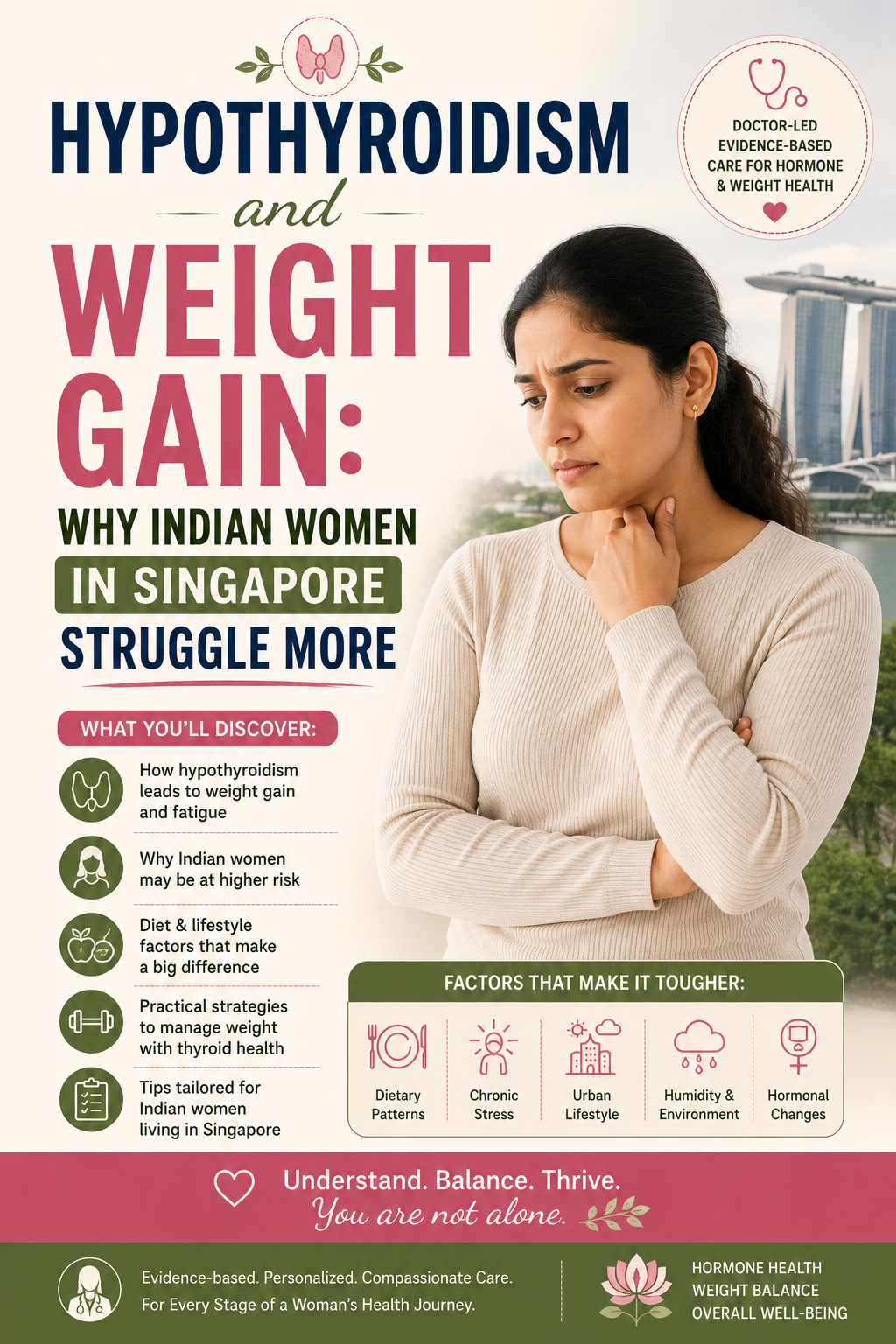
A comprehensive review published in ScienceDirect (2025) specifically examining how thyroid dysfunction contributes to weight gain and obesity-like phenotypes identified the primary mechanisms: reduced thyroid hormone signalling lowers resting energy expenditure and alters substrate metabolism, while impaired brown adipose tissue thermogenesis reduces energy output further. Hypothyroidism also causes fluid retention (myxoedema) and reduces lipolysis, the breakdown of stored fat, creating multiple simultaneous drivers of weight gain.
However, and this is critically important, the same review found that levothyroxine treatment (LT4) minimally affects weight, mainly by reducing the fluid retention component, without significantly improving lipid metabolism or fat oxidation. A study of 12 overtly hypothyroid patients showed a mean weight reduction of only 4.3 kg (83.7 kg to 79.4 kg) after one year of levothyroxine treatment, largely from fluid loss, not fat loss. This is why so many women on thyroid medication are disappointed: the medication restores thyroid hormone levels but does not automatically reverse the metabolic consequences that have accumulated during the period of dysfunction.
Why Indian Women in Singapore Struggle More
1. The Thin-Fat Phenotype Compounds Thyroid-Related Metabolic Slowing
Indian women carry more visceral fat and less muscle mass at the same BMI as other ethnic groups. Muscle is the primary site of basal metabolic energy expenditure. A woman with low muscle mass and hypothyroidism has a doubly reduced resting metabolic rate — the thyroid reducing it from one direction, low muscle mass from another. This means the same dietary intake produces more weight gain in an Indian woman with hypothyroidism than in a Chinese woman of the same BMI and the same thyroid level.
👉Metabolic Syndrome in South Asian Women: A Doctor’s Warning
2. The TSH “Normal Range” Problem
Standard laboratory reference ranges for TSH in Singapore typically span approximately 0.4–4.5 mIU/L. Within this broad range, a woman with TSH of 3.8 mIU/L will be told her thyroid is “normal.” But emerging evidence and functional medicine practice suggest that for optimal metabolic function and symptom resolution in women who are symptomatic, a TSH between 1.0 and 2.0 mIU/L may be the target, not simply anywhere within the broad reference range. A woman who is treated to a TSH of 3.5 may still be functionally hypothyroid enough to experience fatigue, weight gain, and cognitive slowing, despite being “in range.”
This is not settled science; it is an area of ongoing clinical discussion, and I am not advising self-adjusting thyroid medication. But it is worth discussing with your endocrinologist at NUH, SGH, or a private clinic if you remain symptomatic despite a “normal” TSH on treatment.
3. Iodine Deficiency — Common in Indian Vegetarian Women in Singapore
Iodine is the essential mineral from which thyroid hormones T3 and T4 are synthesised. The primary dietary sources of iodine are iodised salt, dairy, seafood, and eggs. Indian vegetarian women who use minimal iodised salt (e.g., using pink Himalayan salt, which contains negligible iodine), eat limited dairy, and avoid seafood can have subclinical iodine insufficiency that impairs thyroid hormone synthesis even without a structurally failing thyroid. In Singapore, HPB has noted that some population subgroups may have inadequate iodine intake. Checking urinary iodine concentration (available at some Singapore private labs) or ensuring dietary iodine through iodised salt and dairy is an easily correctable factor.
4. Selenium Deficiency — The Thyroid Antioxidant
Selenium is essential for the conversion of T4 (the storage form of thyroid hormone) to T3 (the active form that acts on cells). It is also required for the selenoproteins that protect the thyroid gland from oxidative damage. Indian vegetarian diets are frequently selenium-insufficient. Brazil nuts are the richest food source (two per day provides the entire RDA), but they are expensive and not regularly consumed in Indian households. Selenium-enriched soil vegetables and seafood are better daily options.
👉Thyroid Diet: Foods That Help or Harm Your Hormones
Testing: What to Request Beyond the Standard TSH
A standard TSH alone is a useful screening test but does not give the complete picture of thyroid function. If you are symptomatic despite a normal TSH, or if you are on levothyroxine and still not feeling well, consider requesting:
- Free T4 (FT4): The amount of circulating thyroxine available for conversion to the active T3
- Free T3 (FT3): The active form of thyroid hormone that acts on cells; can be low even when TSH and FT4 are normal if the conversion pathway is impaired
- Anti-TPO antibodies: The marker for Hashimoto’s thyroiditis, the autoimmune cause of most hypothyroidism in women; if positive, management may include selenium supplementation and addressing inflammatory dietary triggers
- Anti-thyroglobulin antibodies: A second autoimmune marker, useful if anti-TPO is borderline
- Reverse T3 (rT3): Can be elevated with chronic stress, fasting, or inflammation, blocking T3 receptors and causing functional hypothyroid symptoms despite normal TSH, less commonly measured in standard Singapore labs but available at some private pathology services
In Singapore, comprehensive thyroid panels are available at Raffles Medical, Mount Elizabeth, and various private diagnostic labs. At polyclinics and restructured hospitals, TSH and FT4 are standard; FT3 and antibodies may require a specialist referral or private testing.
👉10 Top Supplements for Women’s Reproductive Health
The Dietary Strategy for Hypothyroidism Weight Management
1. Protein First — The Metabolism Protector
Because hypothyroidism reduces resting metabolic rate and lean mass, protein intake is the most critical macronutrient for thyroid-related weight management. Protein supports muscle preservation, has the highest thermic effect of any macronutrient (burns the most calories during digestion), and provides sustained satiety that reduces overall caloric intake without restriction. Target 1.2–1.5 g per kg of body weight daily: 25–30g per main meal. Dal, eggs, paneer, plain dahi, fish, and chicken are the most practical Indian sources.
2. Ensure Adequate Iodine Through Food
Switch from pink Himalayan salt to iodised salt for everyday cooking; this single change addresses iodine adequacy for most women. Include dairy (plain dahi, milk) daily. For non-vegetarians, fish and eggs are both excellent iodine sources available across Singapore’s wet markets and supermarkets.
3. Selenium Daily
Two Brazil nuts daily (available at Cold Storage, FairPrice Finest, and most supermarkets in Singapore) provide the entire selenium RDA. Alternatively: tuna, sardines, and eggs for non-vegetarians; sunflower seeds and whole wheat for vegetarians. The key nutritional priority is ensuring T4-to-T3 conversion is not impaired by selenium insufficiency.
4. Reduce Goitrogenic Foods — With Nuance
Goitrogens are compounds that interfere with thyroid hormone synthesis or iodine uptake. They are found in cruciferous vegetables (broccoli, cauliflower, kale, cabbage) and in raw form in soy. The important nuance: goitrogenic effects are primarily relevant at very high intake of raw goitrogenic foods in iodine-deficient individuals, not from moderate consumption of cooked cruciferous vegetables in someone with adequate iodine and on thyroid medication. The evidence does not support eliminating broccoli or cauliflower from the diet of women with hypothyroidism who are iodine-sufficient. Cooking substantially deactivates most goitrogens. The practical guidance: do not eat enormous quantities of raw kale juice or raw broccoli daily, and take thyroid medication at least 30–60 minutes away from soy-based foods or supplements.
5. Anti-Inflammatory Dietary Pattern
For women with Hashimoto’s thyroiditis, the autoimmune form of hypothyroidism, reducing systemic inflammation is an important component of management because Hashimoto’s is an inflammatory autoimmune disease. The anti-inflammatory dietary framework, emphasising omega-3 fatty acids (oily fish, walnuts, ground flaxseed), colourful vegetables and fruits, turmeric with black pepper, and minimal ultra-processed food, is supported by the general evidence on anti-inflammatory nutrition even without Hashimoto’s-specific large RCTs.
6. Timing of Levothyroxine — Often the Most Impactful Single Change
Levothyroxine absorption is significantly impaired by food, calcium, iron, and coffee. Many women take their levothyroxine tablet with breakfast, with their morning chai, or at the same time as their iron supplement, all of which substantially reduce absorption and may explain persistently suboptimal thyroid levels despite adequate prescription doses. Take levothyroxine on an empty stomach, at least 30–60 minutes before food or other medications (60 minutes is preferable), and avoid calcium and iron supplements within 4 hours of the dose. This single correction, in my clinical experience, sometimes dramatically improves both TSH levels and symptoms without any prescription change.
7. Resistance Training — The Metabolism Repair Tool
Muscle is the primary site of resting metabolic energy expenditure. Hypothyroidism reduces muscle protein synthesis; resistance training is the evidence-based intervention that counteracts this. Two to three sessions of progressive resistance training per week- squats, lunges, rows, push-ups- directly rebuild the metabolic rate that hypothyroidism reduces. This is the single most evidence-supported lifestyle intervention for managing hypothyroid-associated weight, beyond medication optimisation itself. Singapore’s ActiveSG gyms, Anytime Fitness, and most condominium gym facilities are accessible options.
Related reading:
👉Fitness After 40: Why It Feels Different (And What To Do)
👉The Singapore Woman’s Essential Guide to Early Diabetes Detection
👉Hypertension in Singapore Indian Women: Why It’s Rising and the Diet That Actually Fixes It
Thyroid & Metabolic Health · Singapore
On levothyroxine but still gaining weight? Let’s look at the full picture.
Thyroid medication restores your numbers. A personalised nutrition and lifestyle plan restores your metabolism. I help Indian women in Singapore build the complete strategy: diet, selenium, iodine, protein, and resistance training, to support thyroid function from every angle. Explore my program or book a 15-minute FREE discovery call.
 Thyroid Reset: 12 Week Diet & Lifestyle Plan for Hypothyroidism
👉 Book a FREE 15-Minute Metabolic Health Call
Dr Akanksha Sharma · MBBS MD · Singapore & worldwide via Zoom
Frequently Asked Questions
My TSH is 3.2 — my doctor says it’s normal, but I have all the symptoms. What should I do?
TSH 3.2 is within the standard laboratory reference range, so your doctor is correct by that criterion. However, many thyroid clinicians consider a functional TSH target of 1.0–2.0 mIU/L optimal for symptomatic women, and several studies support this narrower target particularly in women who are actively symptomatic. Request FT4, FT3, and anti-TPO antibody testing in addition to TSH, these provide a more complete picture. Discuss the functional TSH target concept with an endocrinologist at NUH, SGH, or a private endocrinology clinic in Singapore for a more detailed evaluation.
Will my thyroid improve with diet changes?
For most women with established hypothyroidism requiring medication, dietary changes support thyroid function but do not replace levothyroxine. The clearest dietary contributions are: correcting iodine deficiency (enables adequate T4 synthesis), correcting selenium deficiency (enables T4-to-T3 conversion), reducing inflammatory dietary patterns (relevant for Hashimoto’s where the autoimmune component is active), and optimising protein and resistance training to rebuild metabolic rate. These are metabolically significant improvements, but they work alongside medication, not instead of it.
I have hypothyroidism and PCOS. Is this common?
Yes, PCOS and thyroid disorders co-occur significantly more frequently than chance alone would predict. A systematic review found that the prevalence of hypothyroidism in PCOS patients was approximately 22–26%, compared to 4–10% in the general female population. The two conditions share several pathophysiological pathways including insulin resistance and inflammation. If you have both conditions, the dietary approach addresses them simultaneously, reducing insulin resistance and glycaemic load benefits both PCOS (androgen reduction) and thyroid function (reduces the TSH elevation associated with insulin resistance and metabolic dysfunction).
Should I avoid soy completely if I have hypothyroidism?
Not completely. Soy’s goitrogenic effects are relevant primarily at very high intake, in iodine-deficient women, or when soy is consumed at the same time as thyroid medication. Moderate consumption of soy-based foods (tofu in cooking, edamame as a snack) is generally fine for most women with hypothyroidism who are iodine-sufficient and on thyroid medication. The practical rule: take your levothyroxine at least 30 minutes before any soy-containing food, and ensure your iodine intake is adequate.
The Bottom Line
Hypothyroidism causes weight gain through reduced resting metabolic rate, impaired fat oxidation, fluid retention, and reduced muscle protein synthesis, mechanisms that levothyroxine medication restores only partially. For Indian women in Singapore, the thin-fat phenotype adds a further metabolic disadvantage. The complete management strategy goes beyond medication: ensuring adequate iodine and selenium through diet, optimising levothyroxine timing (away from food, calcium, and iron), prioritising protein at every meal, building muscle through resistance training, and requesting a full thyroid panel beyond TSH alone. These are the components that medication alone does not address — and that explain why so many women feel the gap between their “normal” test results and their daily experience.
Take the Next Step
Your Thyroid Numbers Are Normal.
Your Metabolism Can Be Better.
Medication manages your thyroid. Nutrition and lifestyle management rebuild your metabolism. Choose the programme that fits where you are:
Not sure which programme is right for your situation? Let’s talk. 👉 Book a FREE 15-Minute Metabolic Health Call Dr Akanksha Sharma · MBBS MD · Preventive Medicine Physician · Singapore & worldwide via Zoom |
Disclaimer: This article is for educational purposes only. Thyroid conditions require assessment and management by a qualified physician or endocrinologist. Do not adjust your thyroid medication without medical guidance.
References:
- The Influence of Thyroid Dysfunction on Body Composition and Weight Trajectory. ScienceDirect. 2025. Full Text
- How Thyroid Dysfunction Contributes to Weight Gain and Obesity-Like Phenotypes: A PubMed-based Literature Review (2015–2025). Full Text
- Diet in Thyroid Disorders: A Survey among Clinicians and a Review of the Current Perspective. PMC. 2024. PMC Full Text
- ICMR-NIN Expert Group. Recommended Dietary Allowances for Indians. 2020. nin.res.in

Akanksha Sharma
Dr Akanksha Sharma (MBBS, MD) is a physician and women’s health nutrition specialist, and the founder of IYSA Nutrition. She provides evidence-based, doctor-led nutrition guidance for pregnancy, postpartum recovery, PCOS, child nutrition, and family health, helping women make calm, informed decisions about their health and their children’s well-being.