References:
- MOH Singapore. National Health Surveys — Hypertension prevalence almost doubled since 2010. 2023. moh.gov.sg
- MOH Singapore. NPHS 2024 — 1 in 3 Singapore residents have hypertension. moh.gov.sg
Related reading:
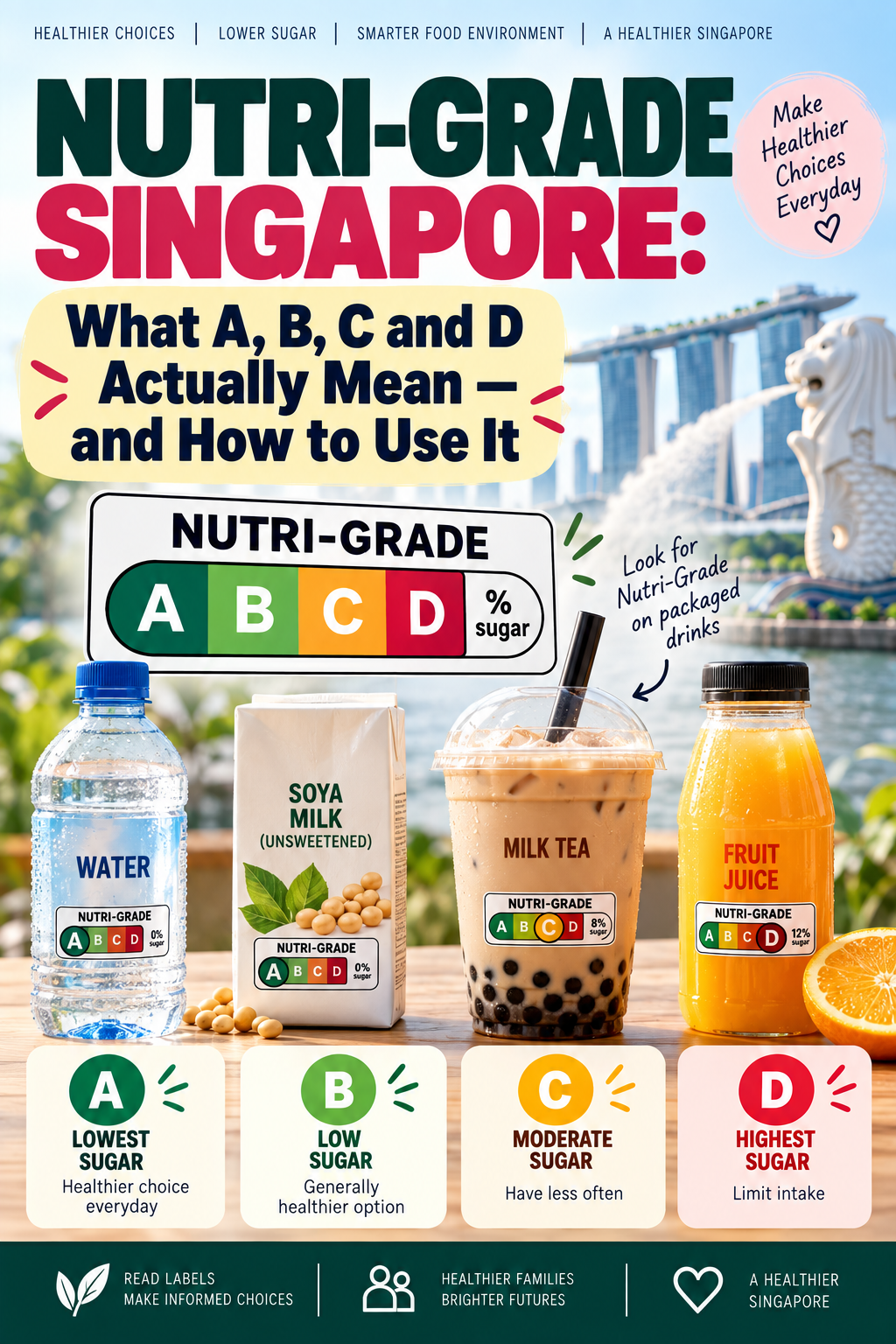
👉Sodium and Salt in Singapore: What MOH’s Nutri-Grade 2027 Extension Means for Your Indian Diet
👉Fitness After 40: Why It Feels Different (And What To Do)
👉The Singapore Woman’s Essential Guide to Early Diabetes Detection
Why Hypertension Is Rising — The Singapore-Specific Drivers
1. Sodium Overload — The Primary Dietary Driver
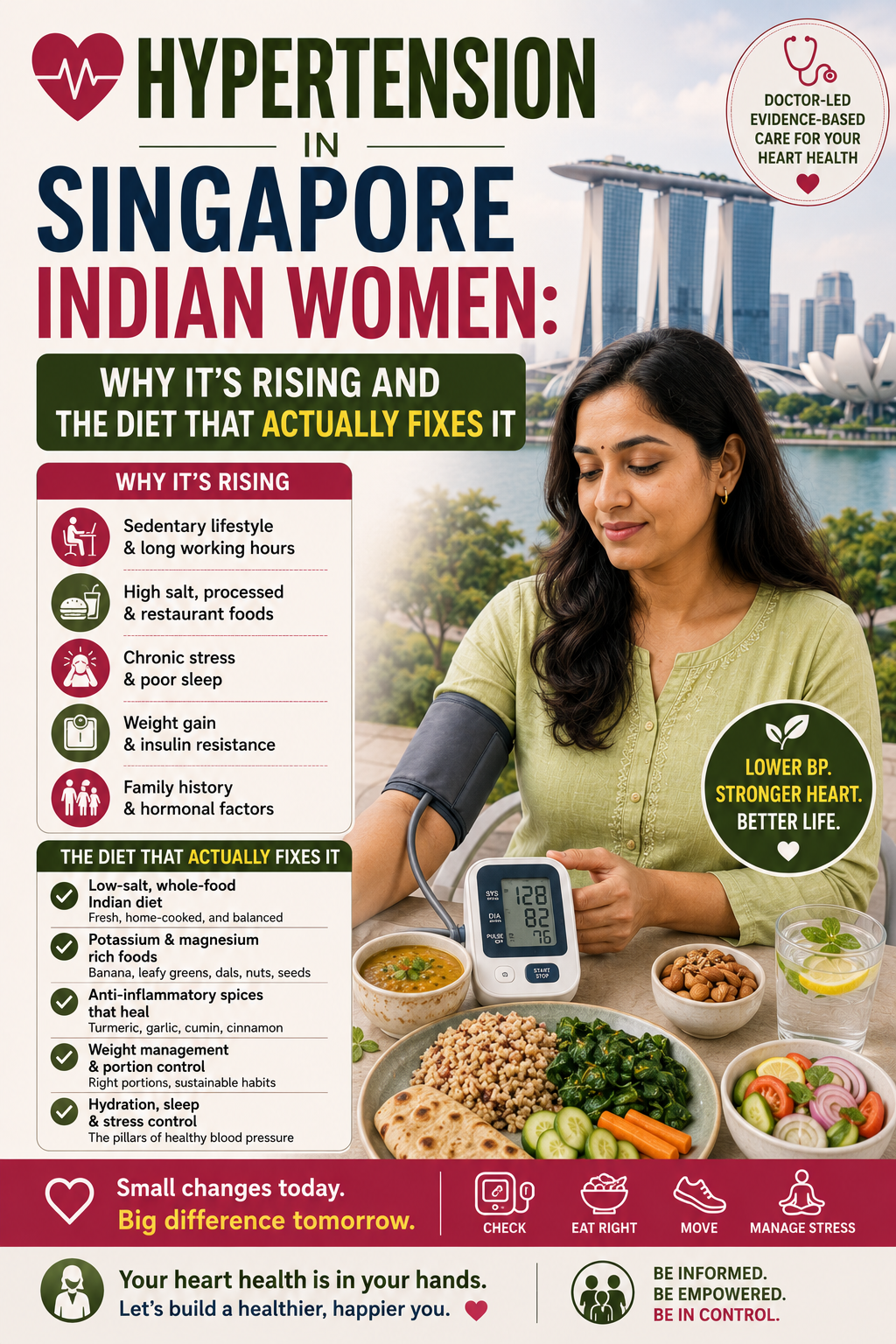
Nine in ten Singapore residents exceed the daily recommended sodium intake of 2,000 mg (equivalent to approximately 5 g of salt). The NPHS NNS 2022 found that sodium intake has actually increased despite years of public health campaigns. The primary sources of sodium in Singapore’s diet are not the salt shaker at home; they are the hidden sodium in hawker centre food (gravies, soups, sauces, sambal), processed and packaged foods, soy sauce, fish sauce, oyster sauce, and MSG-containing seasonings.
For Indian women in Singapore, the specific sodium traps are: dal preparations with excessive salt added at cooking, curry pastes and masalas with high sodium content, pickles (achar, mango pickle, lime pickle, extraordinarily high sodium), papads, packaged snacks, and the South Indian restaurant staples (sambar, rasam, tamarind-based gravies) which tend to be high-sodium.
2. Rising Obesity — The Structural Driver
Excess body weight, particularly visceral fat, directly elevates blood pressure through multiple mechanisms: increased sympathetic nervous system activation, renal sodium retention, elevated insulin (which causes sodium retention), and increased cardiac output. The NPHS 2024 shows obesity among Singapore residents increased significantly from 10.5% in 2019–2020 to 12.7% in 2023–2024. For Indian women whose visceral fat accumulation precedes visible obesity, this structural driver is particularly relevant even at normal BMIs.
3. Reduced Physical Activity
Sufficient total physical activity returned to pre-COVID levels in NPHS 2024, but this masks the fact that most Singapore adults are sedentary for the majority of the workday. Aerobic exercise directly lowers blood pressure by 5–10 mmHg in hypertensive individuals, and its absence allows blood pressure to rise. For Indian professional women in Singapore’s CBD working culture, the typical pattern is 8–10 hours of desk-sitting, an air-conditioned commute, and minimal structured physical activity.
4. Chronic Stress
Stress activates the sympathetic nervous system and raises cortisol, both of which acutely raise blood pressure. In the longer term, chronic cortisol elevation contributes to sodium retention and vascular stiffness. Singapore’s demanding work culture, the particular pressures of Indian professional women managing both career expectations and family responsibilities, and the social isolation that can come from being an immigrant community contribute meaningfully to chronic stress loads that sustain blood pressure elevation.
👉Healthier SG Programme — blood pressure is screened at every Healthier SG health check
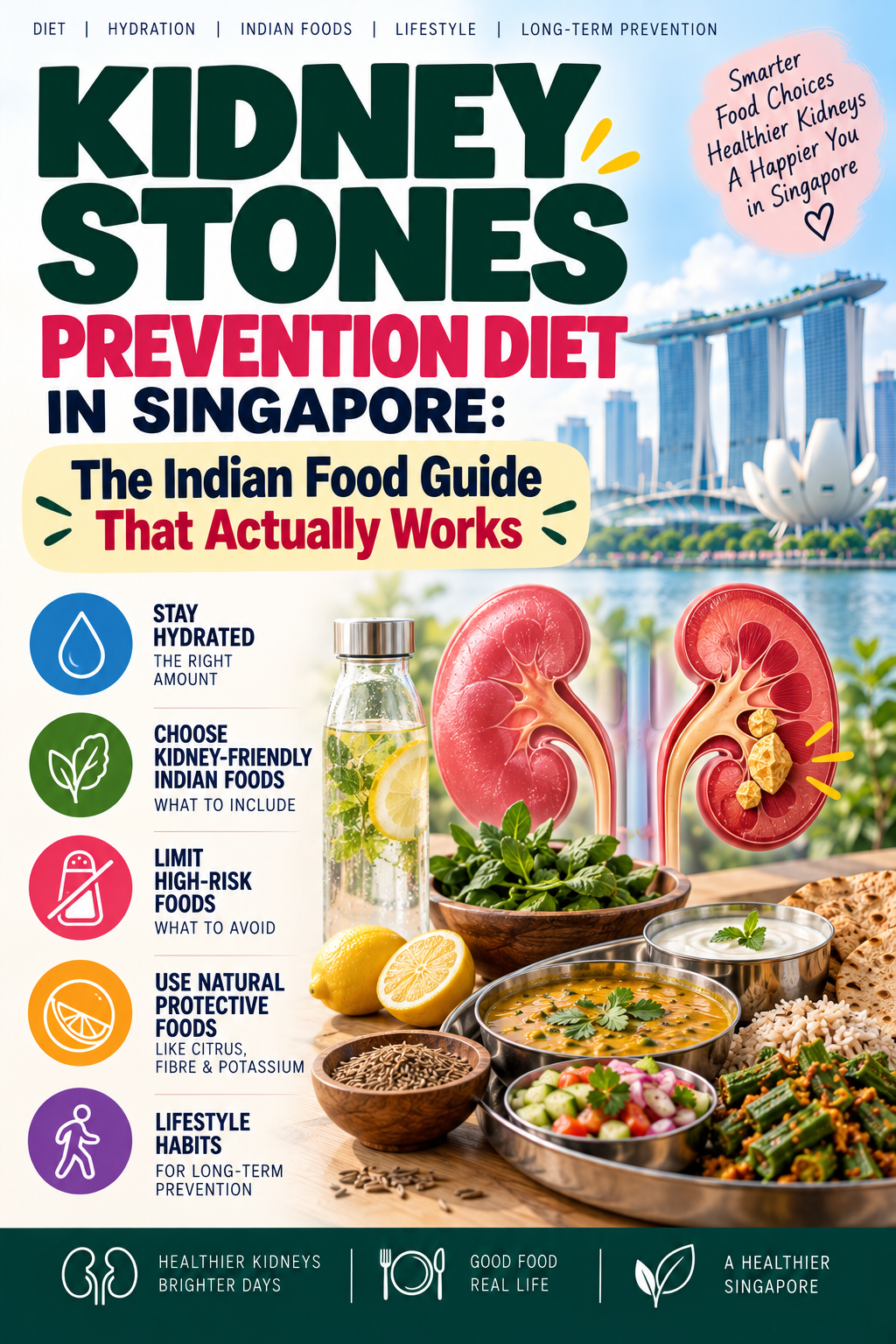
👉Kidney Stones Prevention Diet in Singapore: The Indian Food Guide That Actually Works
Understanding Your Blood Pressure Numbers
Blood pressure is expressed as systolic (the pressure during heartbeats) over diastolic (the pressure between beats), in mmHg:
| Classification | Systolic (mmHg) | Diastolic (mmHg) |
|---|---|---|
| Normal | Below 120 | Below 80 |
| Elevated / Pre-hypertension | 120–129 | Below 80 |
| Stage 1 Hypertension | 130–139 | 80–89 |
| Stage 2 Hypertension | 140 and above | 90 and above |
| Hypertensive Crisis | Above 180 | Above 120 |
In Singapore, Stage 1 hypertension (130–139/80–89) warrants lifestyle intervention and monitoring; Stage 2 typically requires medication alongside lifestyle change. If you are checking blood pressure at home (recommended for Indian women over 35 with risk factors), check in the morning before food or medication, after 5 minutes of sitting quietly, twice, and record the average.
👉Metabolic Syndrome in South Asian Women — hypertension as part of the broader metabolic cluster
The Dietary Evidence: What Actually Lowers Blood Pressure
1. The DASH Diet — The Most Evidence-Supported Dietary Pattern for Hypertension
The DASH (Dietary Approaches to Stop Hypertension) diet is the most extensively studied and most recommended dietary pattern for blood pressure management. Multiple large RCTs have shown that the DASH diet reduces systolic blood pressure by 8–14 mmHg, comparable to the effect of a single antihypertensive medication, in hypertensive individuals. The DASH pattern emphasises:
- Abundant fruits and vegetables (8–10 servings daily)
- Low-fat dairy (2–3 servings daily)
- Whole grains over refined grains
- Lean protein — beans, legumes, poultry, fish
- Limited red meat, sweets, and sodium
- High potassium, magnesium, and calcium from food
The good news for Indian women: the DASH diet maps almost perfectly onto a traditional Indian food pattern. Dal and legumes are among the best DASH foods available, high in potassium, magnesium, folate, and plant protein, and naturally low in sodium when cooked without excess salt. The challenge is that modern Indian eating in Singapore often departs significantly from the traditional pattern, replacing dal with packaged foods, adding excessive sodium through commercial curry pastes, and reducing vegetable intake.
2. Reduce Sodium — The Most Specific and Actionable Change
Every 1g reduction in daily sodium intake lowers systolic blood pressure by approximately 2–3 mmHg in hypertensive individuals. Singapore’s MOH recommends keeping sodium below 2,000mg (5g salt) daily. Most Singapore residents are consuming 3,000–4,000mg daily. The practical reduction targets:
At home:
- Use herbs, spices, tamarind, and lime as flavour bases instead of additional salt. Indian cooking is extraordinarily herb-rich, and spices like cumin, coriander, turmeric, and fenugreek add complex flavour without sodium
- Reduce commercial curry pastes; most packaged curry pastes contain 800–1,200 mg sodium per serving. Cook from fresh spices or use lower-sodium versions available at Cold Storage and NTUC FairPrice
- Dramatically reduce or eliminate pickles (achar, mango pickle); a single tablespoon contains 400–600mg sodium
- Use iodised salt in smaller quantities, a quarter teaspoon per meal maximum
- Rinse canned dal and legumes before use; this reduces sodium content by 30–40%
At hawker centres:
- Request less gravy; the gravy in most hawker dishes is where most of the sodium lives
- Drink water rather than soup at hawker centres; a bowl of hawker soup can contain 800–1,200mg sodium alone
- Look for stalls with the HPB Healthier Choice identifier; these use at least 25% less sodium
- At Indian stalls: plain thosai with sambar (rather than salty chutneys in large quantities), rasam (lower sodium than most gravies), and request salt on the side
📥 Download the Healthy Hawker Food Cheat Sheet (Doctor-Approved)
3. Increase Potassium — Sodium’s Natural Antagonist
Potassium directly counters sodium’s blood-pressure-raising effects by promoting renal sodium excretion. A diet high in potassium and low in sodium produces the most favourable blood pressure outcome. The target is 3,500–4,700 mg potassium daily, which most Singapore residents do not reach. Best Indian potassium sources:
- Rajma (kidney beans) — 600 mg per 100g cooked: the single richest Indian potassium food
- Moong dal — 270 mg per 100 g cooked
- Banana — 360 mg per medium banana: the most accessible daily potassium source
- Palak (spinach) — 558 mg per 100 g cooked
- Sweet potato — 475 mg per 100 g: replace regular potato with sweet potato as a sabzi or snack
- Coconut water — 600 mg per cup: a traditional Indian drink that is also a practical potassium source in Singapore’s climate (available everywhere)
4. Magnesium — The Vasodilator Mineral
Magnesium supports relaxation of arterial smooth muscle (vasodilation) and is inversely associated with blood pressure in population studies. Magnesium deficiency is common in Indian women due to refined grain consumption. Best Indian magnesium sources: bajra roti (137 mg per 100 g flour), pumpkin seeds (150 mg per 30 g), almonds (80 mg per 30 g), and dark leafy greens. Magnesium glycinate supplementation at 200–300 mg before bed supports both blood pressure and sleep quality.
5. Omega-3 Fatty Acids — Modest but Consistent Blood Pressure Reduction
Multiple meta-analyses have found that omega-3 fatty acid supplementation produces modest but consistent reductions in blood pressure, approximately 2–3 mmHg systolic and 1–2 mmHg diastolic in hypertensive individuals. For Indian women in Singapore: sardines, mackerel, and salmon (available at Tekka Market, Geylang Serai wet market, NTUC FairPrice) are the most practical sources. Algae-based omega-3 (available at Guardian and iHerb) is the vegetarian alternative.
6. Reduce Alcohol and Eliminate Smoking
Both alcohol and tobacco directly raise blood pressure: alcohol through multiple mechanisms including sympathetic activation and cortisol release, tobacco through acute vasospasm and chronic arterial stiffening. While Indian women’s alcohol consumption in Singapore is lower than the general population average, the interaction with other cardiovascular risk factors makes even moderate alcohol consumption more impactful in this population.
👉High Uric Acid Diet Singapore — hypertension and hyperuricemia frequently coexist
Metabolic Health · Singapore
Diagnosed with high blood pressure in Singapore? Let’s build the dietary response.
I work with women in Singapore to build personalised DASH-aligned nutrition plans that work with Indian food culture, Singapore’s hawker environment, and your specific blood pressure numbers.
👉 Book a FREE 20-Minute Metabolic Health Audit Call
Dr Akanksha Sharma · MBBS MD · Singapore & worldwide via Zoom
A Sample Low-Sodium Indian Day for Singapore
- Breakfast: Ragi porridge with banana and a handful of almonds (no added salt) + plain dahi + coconut water
- Lunch (hawker centre): Request “less gravy, less salt” at the counter. Economy rice with 2 vegetable dishes + tofu/fish, minimal rice. No soup.
- Afternoon snack: One guava + pumpkin seeds
- Dinner (home-cooked): Rajma dal cooked from scratch with fresh spices (no packaged curry paste) + bajra roti + palak sabzi with lime. Minimal salt — use tamarind and lime as the sour flavour base instead of salt. Sweet potato as a side.
- Drinks throughout the day: Plain water (2.5–3 litres), coconut water (one cup, no added sugar), herbal tea. No chai after 2pm (reduces cortisol and sleep disruption contributing to blood pressure).
Frequently Asked Questions
My blood pressure is 130/85. My GP said I should monitor it but does not want to prescribe medication yet. What should I do?
Stage 1 hypertension (130–139/80–89 mmHg) is the window where lifestyle intervention, particularly the DASH diet and sodium reduction, can prevent progression to medication-requiring levels. A 3-month dietary intervention trial with monitoring is entirely appropriate here. Focus on sodium reduction (below 2,000mg daily), daily potassium-rich foods (rajma, banana, palak, coconut water), aerobic exercise 5 days per week at moderate intensity (brisk walking 30 minutes is sufficient), weight management if waist circumference is above 80 cm, and stress management. Return for blood pressure check in 6–8 weeks to assess the dietary response.
I am already on blood pressure medication. Does diet still matter?
Very much so. Dietary change does not replace prescribed antihypertensives, but it works alongside them to produce better blood pressure control, potentially at lower medication doses, and to reduce the cardiovascular risk that persists even when blood pressure is pharmacologically controlled. The DASH diet, sodium reduction, and weight management are recommended alongside medication by all major cardiology guidelines, not as alternatives to it.
My daughter is 28 and her blood pressure checked at a health fair was 128/82. Is this a concern?
Yes, this warrants follow-up rather than dismissal. Elevated blood pressure in a woman this young, particularly an Indian woman, should prompt: repeat measurements on at least two separate occasions (blood pressure fluctuates; a single reading is not diagnostic), assessment of modifiable risk factors (sodium intake, weight, physical activity, stress, oral contraceptive pill use, which can raise blood pressure), and discussion with a GP. The lifestyle interventions above are safe and appropriate to begin immediately, and they are meaningfully more effective when started earlier.
Is coconut oil safe for people with high blood pressure?
Coconut oil is high in saturated fat and raises LDL cholesterol — a cardiovascular risk factor in the context of hypertension. While the evidence specifically on coconut oil and blood pressure is not as strong as for sodium, the broader cardiovascular risk context makes coconut oil a food to use in moderation rather than as a primary cooking fat for women with high blood pressure. Cold-pressed sesame oil (used in many South Indian preparations) and extra-virgin olive oil are better daily choices. Small amounts of coconut oil in specific preparations (coconut chutney, occasional coconut-based curries) are unlikely to be significantly harmful.
The Bottom Line
Hypertension has nearly doubled in Singapore since 2010, driven by rising sodium intake, increasing visceral obesity, and sedentary lifestyles. For Indian women, ethnic-specific metabolic risk means blood pressure elevation occurs at younger ages and lower weights than standard risk models predict. The dietary response is evidence-based and culturally compatible: the DASH diet maps naturally onto traditional Indian cooking, dal and legumes are among the best hypertension-fighting foods in any cuisine, and sodium reduction through cooking-from-scratch with fresh spices rather than packaged masalas is both effective and affordable. The specific Singapore challenge is hawker centre sodium, manageable with the strategies above, and the displacement of traditional cooking by convenience food. Get your blood pressure measured at your Healthier SG check. Then act on what you find.
Blood Pressure Management · Singapore
Your Blood Pressure Can Improve Significantly
With the Right Dietary Plan.
The DASH diet effect is comparable to a blood pressure medication in Stage 1 hypertension, but only when it is personalised for Indian food culture and Singapore’s food environment. Choose the programme that fits:
Not sure which programme fits your situation? Let’s talk — 20 minutes, your numbers, a clear plan. 👉 Book a FREE 20-Minute Metabolic Health Audit Call Dr Akanksha Sharma · MBBS MD · Preventive Medicine Physician · Singapore & worldwide via Zoom |
Disclaimer: This article is for educational purposes only. Hypertension requires medical diagnosis and management by a qualified physician. Do not discontinue or adjust antihypertensive medications without medical guidance.
References:
- MOH Singapore. NPHS 2022 — hypertension prevalence almost doubled since 2010, 9 in 10 exceed sodium intake. moh.gov.sg
- MOH Singapore. NPHS 2024 — 1 in 3 Singapore residents have hypertension. moh.gov.sg
- Sacks FM et al. Effects on Blood Pressure of Reduced Dietary Sodium and the Dietary Approaches to Stop Hypertension (DASH) Diet. NEJM. 2001;344:3-10. PubMed PMID 11136953
- ICMR-NIN Expert Group. Recommended Dietary Allowances for Indians. 2020. nin.res.in

Akanksha Sharma
Dr Akanksha Sharma (MBBS, MD) is a physician and women’s health nutrition specialist, and the founder of IYSA Nutrition. She provides evidence-based, doctor-led nutrition guidance for pregnancy, postpartum recovery, PCOS, child nutrition, and family health, helping women make calm, informed decisions about their health and their children’s well-being.