Written & reviewed by Dr Akanksha Sharma, MBBS, MD (Preventive & Community Medicine) | Founder, IYSA Nutrition, Singapore
Of all the nutrients that matter during pregnancy, DHA, a long-chain omega-3 fatty acid, is one that vegetarian Indian women are most likely to be deficient in, and one that has the least margin for error. DHA is the primary structural fat in the human brain and retina. During pregnancy, your baby’s brain incorporates DHA at a rate of approximately 67 mg per day in the third trimester alone. The source of that DHA is entirely maternal; what you eat, your baby’s brain receives.
For women who eat fish, DHA intake is relatively straightforward; fatty fish like salmon, sardines, and mackerel are among the richest food sources available. But for vegetarian Indian women, and vegetarianism is the default dietary pattern for a significant proportion of the Indian population, the picture is more complicated. Plant foods do not contain DHA directly. They contain ALA (alpha-linolenic acid), a shorter-chain omega-3 that the body can theoretically convert to DHA, but this conversion is notoriously inefficient.
This post explains the omega-3 landscape clearly for vegetarian pregnant Indian women: what the different forms of omega-3 are, why ALA alone is likely insufficient, which plant foods provide the most ALA, and what to do if your dietary sources are not meeting your baby’s DHA needs.
Related reading:
👉Safe Fish to Eat During Pregnancy in Singapore: A Mercury Guide
👉Second Trimester Nutrition: Step by step guide
👉 Balanced Pregnancy Diet at 6 Months
The Three Types of Omega-3 You Need to Know
Omega-3 fatty acids are a family of polyunsaturated fats. The three most relevant to pregnancy are:
ALA — Alpha-Linolenic Acid
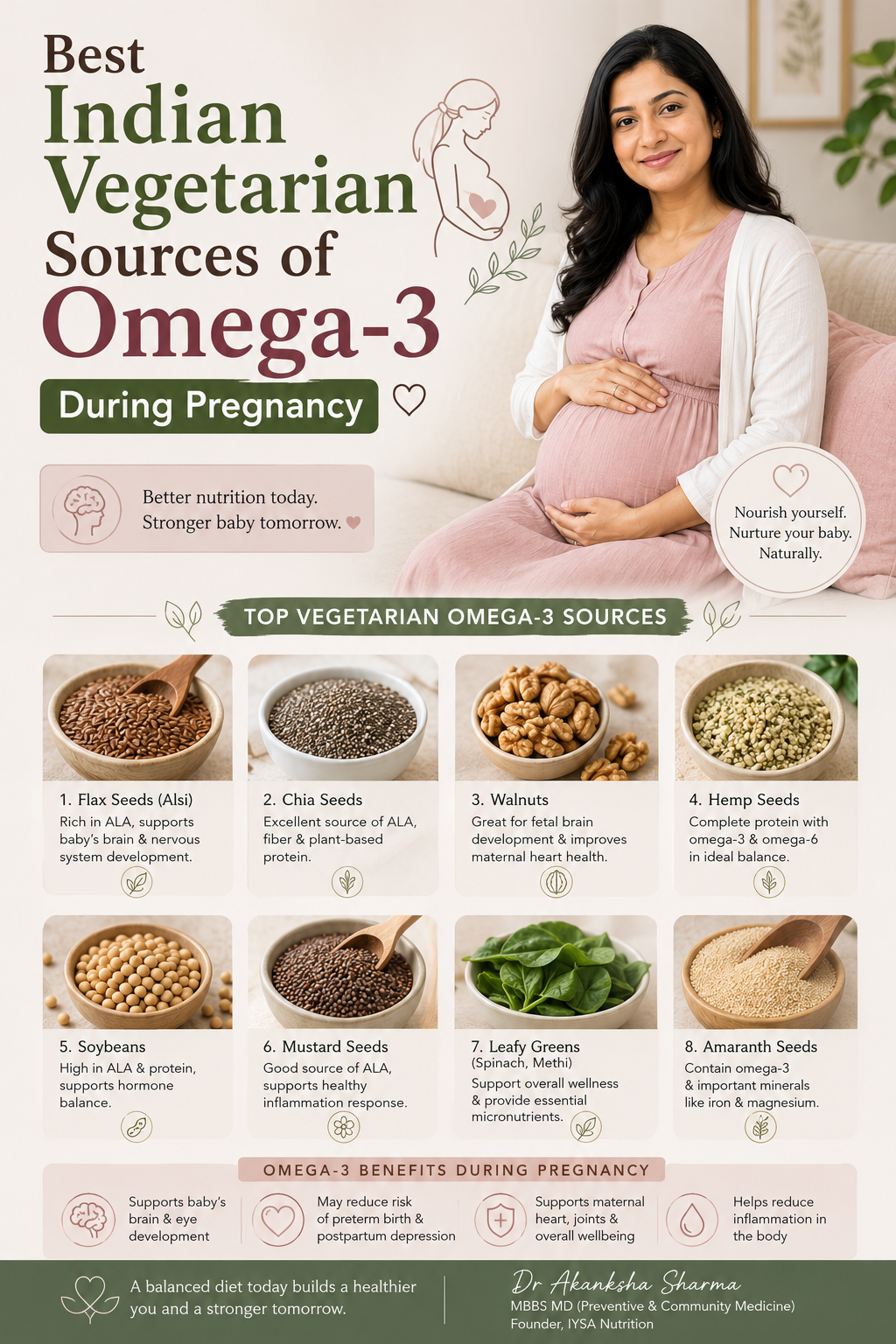
ALA is found exclusively in plant foods, like flaxseeds, walnuts, chia seeds, hemp seeds, and some green leafy vegetables. It is an essential fatty acid, meaning the human body cannot synthesise it, and it must come from the diet. ALA is the starting point from which the body can theoretically produce longer-chain omega-3s.
EPA — Eicosapentaenoic Acid
EPA is a long-chain omega-3 found primarily in fatty fish and marine algae. It has significant anti-inflammatory effects and is important for cardiovascular health and mood regulation. During pregnancy, EPA has a supportive role, particularly in reducing the risk of preterm birth and supporting maternal mood, reducing the risk of perinatal depression.
DHA — Docosahexaenoic Acid
DHA is the long-chain omega-3 that matters most for foetal brain and eye development. It is the dominant omega-3 fat in brain cell membranes and in the retina. DHA is not found in plant foods at all, it is found in fatty fish (which accumulate it from marine algae) and in algae directly. This is the critical gap for vegetarian pregnant women.
The ALA-to-DHA Conversion Problem
When vegetarian women eat flaxseeds or walnuts, they receive ALA. The body can convert ALA to EPA and then to DHA through a series of enzymatic steps. This sounds like a solution — but the conversion efficiency is extremely poor.
Research consistently shows that only approximately 5–10% of dietary ALA is converted to EPA, and only 2–5% is converted to DHA in adults. Multiple factors reduce this conversion further in pregnant women:
- High omega-6 intake: Omega-6 fatty acids (linoleic acid, found abundantly in sunflower oil, corn oil, and soybean oil, which are common cooking oils in Indian kitchens) compete directly with ALA for the same conversion enzymes. High omega-6 intake, which is typical in Indian diets, significantly suppresses ALA-to-DHA conversion.
- Competing demands: The rapidly growing foetal brain creates an enormous demand for DHA that draws down maternal DHA stores, leaving less available for conversion.
- Genetic variation: Some individuals have genetic variants that further reduce conversion enzyme activity (FADS1/FADS2 gene polymorphisms), these variants are found at a higher frequency in South Asian populations, potentially reducing conversion efficiency even further.
The practical implication: eating flaxseeds and walnuts during pregnancy is valuable and important, but it is very unlikely to be sufficient on its own to meet your baby’s DHA requirements. This is not a fringe opinion; it is a conclusion supported by multiple nutrition bodies, including the WHO, the European Food Safety Authority, and the British Dietetic Association.
Doctor’s Note: The recommended DHA intake during pregnancy is 200–300 mg/day from a direct DHA source (not ALA). To get 200 mg of DHA purely through ALA conversion, you would need to eat approximately 10–20g of ALA daily, the equivalent of 4–5 tablespoons of ground flaxseed every single day. This is neither practical nor adequate. For vegetarian pregnant women, an algae-based DHA supplement is not optional, it is clinically indicated.
The Best Indian Plant-Based Sources of ALA
While ALA alone cannot meet DHA requirements, a high ALA intake is still important during pregnancy for several reasons: it provides the substrate for whatever DHA conversion is possible, it contributes EPA (with better conversion than DHA), and ALA itself has anti-inflammatory properties. Here are the best Indian sources, ranked by ALA content:
1. Flaxseeds (Alsi) — The Richest Indian Source
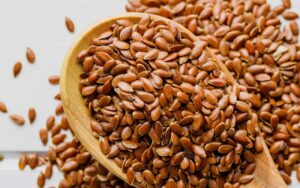
Flaxseeds are the single most ALA-dense food available in Indian kitchens. One tablespoon of ground flaxseeds (7g) provides approximately 1.6–2.0g of ALA, one of the highest plant-based concentrations available.
Critical point: grind your flaxseeds. Whole flaxseeds pass through the digestive tract largely undigested; the ALA is locked inside the hard seed coat. Grinding flaxseeds (in a small blender or coffee grinder) immediately before use releases the oil and makes the ALA bioavailable. Pre-ground flaxseed meal is also acceptable if stored in an airtight container in the refrigerator, as the oils oxidise quickly once ground.
Practical ways to include ground flaxseed during pregnancy:
- One tablespoon mixed into morning dahi or lassi — completely flavour-neutral
- Mixed into roti dough (atta) — 1 tablespoon per batch of dough
- Added to oats or porridge
- Mixed into dal or khichdi after cooking (add after heat to preserve the ALA)
- Stirred into a smoothie or buttermilk
Daily target: 1–2 tablespoons of ground flaxseed daily throughout pregnancy. This provides 1.6–4g of ALA — a meaningful contribution to your omega-3 intake.
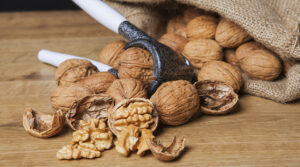
2. Walnuts (Akhrot) — The Most Convenient Source
Walnuts are the only nut with a significant ALA content. A small handful (30g, approximately 7 walnut halves) provides approximately 2.5g of ALA, comparable to ground flaxseed but in a more convenient, no-preparation format.
Walnuts are also a source of protein, magnesium, vitamin E, and polyphenols, all of which are relevant to pregnancy nutrition. They are widely available across India and Singapore and require no preparation.
Daily target: A small handful (5–7 walnut halves) daily. More than this provides rapidly escalating calories without proportionally greater benefit.
Practical ways to include walnuts during pregnancy:
- Eaten plain as a mid-morning snack
- Chopped and added to oatmeal or dahi
- Added to chutney (walnut chutney is a traditional Kashmiri preparation)
- Mixed into a trail mix with dried fruit and seeds
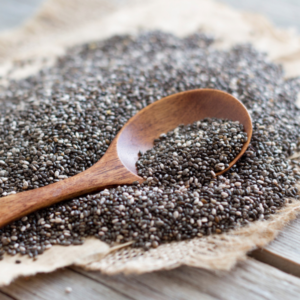
3. Chia Seeds
Chia seeds are not a traditional Indian ingredient, but are now widely available across India and Singapore and have become increasingly common in urban households. One tablespoon (12g) of chia seeds provides approximately 2.5g of ALA, comparable to walnuts.
Unlike flaxseeds, chia seeds do not need to be ground to access their ALA content — the seed coat is softer and digestible. They also provide significant fibre, calcium (approximately 180mg per 2 tablespoons, relevant for pregnancy), and protein.
Practical uses:
- Chia pudding: 2 tablespoons chia seeds soaked overnight in a cup of milk or plant milk — a simple, high-nutrition pregnancy breakfast
- Added to smoothies, dahi, or buttermilk
- Soaked in water and added to nimbu paani for a textured hydration drink
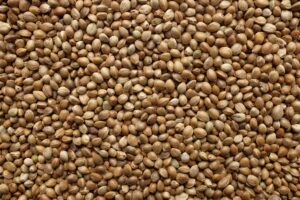
4. Hemp Seeds
Hemp seeds contain approximately 1.0g of ALA per tablespoon and have a good omega-6 to omega-3 ratio. They are also a rare plant food that provides complete protein (containing all essential amino acids). They have a mild, slightly nutty flavour and can be added to dahi, smoothies, or sprinkled over salads. Availability is increasing in India and Singapore through health food stores and online retailers.
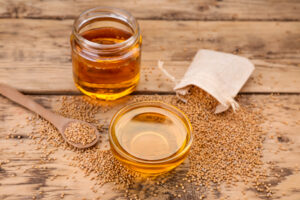
5. Mustard Oil (Sarson ka Tel)
Mustard oil, widely used in North and East Indian cooking, is one of the better cooking oils from an omega-3 perspective, containing approximately 6% ALA by weight. While this is lower than flaxseed oil (which contains approximately 55% ALA but is not suitable for cooking due to its instability at heat), mustard oil used in everyday cooking contributes meaningfully to ALA intake. It also has a favourable omega-6 to omega-3 ratio compared to sunflower oil or refined vegetable oil.
For South Indian and Western Indian cooks who typically use coconut oil or refined vegetable oil, adding mustard oil to at least some cooking is a simple way to improve the omega-3 fatty acid profile of the diet.
6. Green Leafy Vegetables
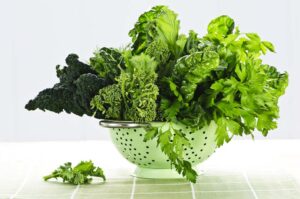
Dark green leafy vegetables, palak (spinach), methi (fenugreek leaves), moringa (drumstick leaves), and purslane (kulfa) — contain small amounts of ALA. While the absolute quantities are low (typically 0.1–0.2g per 100g cooked), their contribution adds up across a day of eating when multiple servings are consumed. Purslane (kulfa saag) is particularly notable, it contains the highest ALA content of any leafy green and has been used in Indian cooking for centuries, though it is less common in urban households today.
👉 Pregnancy & Postpartum Nutrition: A Doctor-Reviewed Guide
👉First Trimester Nutrition: A Week-by-Week Food Guide for Indian Mums
The Algae-Based DHA Supplement: Why It Is Non-Negotiable for Vegetarian Pregnant Women
Algae is where the DHA story begins. Fish do not make DHA; they accumulate it by eating microalgae. By going directly to the algae source, vegetarian women can obtain preformed DHA without any fish involvement. Algae-derived DHA supplements are:
- Vegetarian and vegan — containing no animal products
- Equivalent in bioavailability and effectiveness to fish oil-derived DHA
- Free from the mercury and heavy metal contamination concerns associated with fish oil
- Available in soft gel or liquid form
- Endorsed by multiple pregnancy nutrition guidelines for vegetarian women
Recommended dose during pregnancy: 200–300 mg of DHA per day from an algae-based supplement. This is the dose recommended by the European Food Safety Authority and the WHO for pregnant women. Some guidelines recommend higher doses (up to 600 mg/day) for women with very low baseline DHA status.
Where to find algae-based DHA supplements in Singapore: Available at Guardian, Watsons, Unity Pharmacy, iHerb Singapore, and most health supplement stores. Look for products labelled “algae DHA,” “vegan DHA,” or “plant-based omega-3.” Brands such as Testa, Nordic Naturals Algae Omega, Ovega-3, and Nature’s Way Neuromins are reputable options. Choose products that also contain EPA alongside DHA for broader benefit.
In India: Algae-based DHA supplements are available on Amazon India, Flipkart, and through speciality nutrition retailers. Brands like Carbamide Forte, Healthkart, and some imported brands offer algae-based options. Confirm the product is specifically labelled as algae-derived DHA.
When to start: Ideally, before conception, as DHA is incorporated into egg quality and early embryonic brain development. If not started preconception, begin as early in pregnancy as possible and continue throughout breastfeeding, DHA remains critical for infant brain development during the first two years of life.
If you are a woman struggling with optimising your diet during pregnancy:
👉 Join my program Nourish Nine: Doctor-Led Pregnancy Nutrition & Care Program (Trimester-Wise, 3 months)
Reducing Omega-6 Competition: The Cooking Oil Question
One of the most impactful and least discussed strategies for improving omega-3 status in vegetarian Indian women is reducing omega-6 fatty acid intake. Most Indian cooking relies heavily on sunflower oil, soybean oil, or refined vegetable oil, all of which are very high in linoleic acid (an omega-6 fat). High omega-6 intake directly competes with and suppresses ALA-to-DHA conversion.
The ideal omega-6 to omega-3 ratio for human health is estimated at 4:1 or lower. Most modern Indian diets have ratios of 15:1 to 25:1 — driven largely by heavy use of refined seed oils. This competitive imbalance is one of the reasons why even vegetarian women who eat reasonable quantities of flaxseeds and walnuts still show low DHA status.
Practical cooking oil strategies for pregnant vegetarian women:
- Replace sunflower oil and refined vegetable oil with mustard oil (North Indian cooking), coconut oil (South Indian cooking, in moderation), or ghee for most daily cooking; all have better omega-6:omega-3 ratios than refined seed oils
- Use cold-pressed groundnut oil (peanut oil) for high-heat cooking, more stable and has lower omega-6 than sunflower oil
- Use extra virgin olive oil for low-heat cooking and dressings, predominantly monounsaturated, does not compete with omega-3 conversion
- Avoid frying in large quantities of refined vegetable oil, fried foods are a significant source of excess omega-6
Related reading:
👉 10 Foods Pregnant Woman Should Eat for a Healthy Pregnancy
👉Best Dals and Lentils for Pregnancy: ICMR 2024 Guide
What About Flaxseed Oil?
Flaxseed oil (alsi ka tel) is approximately 55% ALA by weight, far higher than whole or ground flaxseeds. One tablespoon provides approximately 7g of ALA. However, flaxseed oil has important limitations:
- It is extremely heat-sensitive — flaxseed oil should never be used for cooking; heat destroys the ALA and produces harmful oxidation products. It should only be used cold in dressings, dips, or drizzled over cooked food after it is removed from the heat.
- It oxidises rapidly — store in a dark glass bottle in the refrigerator and use within 6–8 weeks of opening
- It is high in calories — approximately 120 kcal per tablespoon; use in small quantities
Used correctly, half to one teaspoon cold, added to dahi or buttermilk, or drizzled over a finished sabzi, flaxseed oil is a useful supplement to whole flaxseeds in vegetarian pregnancy nutrition. It does not replace an algae DHA supplement but can further boost ALA intake.
DHA and Breastfeeding: The Story Does Not End at Delivery
DHA requirements continue after delivery during breastfeeding. Breast milk DHA content is directly reflective of maternal intake. Women who consume higher quantities of DHA-rich foods or supplements have significantly higher breast milk DHA, which directly benefits infant brain and visual development in the critical first two years of life.
ICMR-NIN 2020 recommends continued DHA supplementation during breastfeeding, and the WHO recommends at least 200 mg/day of DHA during lactation. Vegetarian breastfeeding women should continue their algae-based DHA supplement throughout the breastfeeding period.
Frequently Asked Questions
Can I get enough omega-3 from flaxseeds and walnuts alone during pregnancy?
No, not DHA specifically. Flaxseeds and walnuts provide ALA, which the body converts to DHA very inefficiently (2–5% conversion rate). Even eating generous quantities of these foods daily provides only a fraction of the DHA your baby’s developing brain needs. Preformed DHA from algae or fish is necessary. For vegetarian women, an algae-based DHA supplement is clinically indicated alongside dietary ALA sources, one does not replace the other.
Is fish oil safe in pregnancy for non-vegetarian women?
Yes, fish oil supplements providing 200–300 mg of DHA daily are safe and well-studied in pregnancy. Choose products specifically formulated for pregnancy and tested for heavy metals and contaminants. Cod liver oil is not recommended in pregnancy due to its very high vitamin A content, which can be teratogenic in excess. Standard fish oil or fish oil DHA concentrates are appropriate; cod liver oil is not.
Can I eat flaxseeds every day during pregnancy?
Yes, ground flaxseeds at 1–2 tablespoons daily are safe and beneficial during pregnancy. They provide ALA, soluble fibre (beneficial for constipation, common in pregnancy), lignans (phytoestrogens at food quantities, not harmful at these doses), and protein. Very high doses, beyond 3–4 tablespoons daily, are unnecessary and theoretically contraindicated due to the phytoestrogen content at very high doses. One to two tablespoons daily is the evidence-based, safe, and beneficial range.
Are chia seeds safe during pregnancy?
Yes, chia seeds are safe and nutritionally beneficial during pregnancy. They provide ALA, calcium, fibre, and protein. There are no known contraindications to chia seed consumption in pregnancy at normal dietary quantities (1–3 tablespoons per day). Ensure adequate hydration when eating chia seeds, as they absorb large amounts of water and can contribute to constipation if fluid intake is insufficient.
Does walnut consumption in pregnancy affect the baby’s brain development?
Walnuts are a valuable source of ALA and also contain polyphenols, vitamin E, and magnesium, all relevant to foetal brain development. However, walnuts alone cannot meet your baby’s DHA requirements. The answer is to eat walnuts daily for their ALA and overall nutritional profile, while also supplementing with algae-based DHA for preformed, direct brain-building DHA. They work together rather than one substituting the other.
My prenatal multivitamin says it contains omega-3 — is that enough?
Check the label carefully. Many prenatal multivitamins contain only a small amount of omega-3, often 50–100 mg of DHA or less, which is well below the recommended 200–300 mg/day. Some contain no DHA at all. Read the supplement facts panel specifically for DHA content in mg. If your prenatal vitamin provides less than 200 mg of DHA per serving, add a separate algae-based DHA supplement to reach the recommended target.
The Bottom Line
Vegetarian Indian women during pregnancy face a genuine DHA challenge — not because vegetarian diets are nutritionally inadequate, but because DHA is simply not present in plant foods. The solution is a two-part strategy: maximise dietary ALA through ground flaxseeds, walnuts, chia seeds, and improved cooking oil choices; and supplement with algae-based DHA to provide the preformed long-chain omega-3 your baby’s brain and eyes require.
This is one of the clearest, most evidence-based nutritional recommendations in pregnancy nutrition — and one of the easiest to implement. Two Brazil nuts for selenium and one tablespoon of ground flaxseed in your morning dahi, combined with a daily algae DHA supplement, takes less than five minutes and represents one of the most meaningful nutritional investments you can make for your baby’s brain development.
If you are a woman struggling with optimising your diet during pregnancy:
👉 Join my program Nourish Nine: Doctor-Led Pregnancy Nutrition & Care Program (Trimester-Wise, 3 months),
customised for Indian diets and Singapore lifestyles.
👉Book a consultation call (FREE)
Printable Pregnancy & Postpartum Nutrition Checklist (Free)
Mother’s Nutrition Support Checklist
(Educational guidance only)
During pregnancy
☐ Regular meals with adequate protein
☐ Iron-rich foods included
☐ Calcium intake addressed
☐ Prenatal supplements taken as advised
☐ Hydration adequate
Postpartum recovery
☐ Protein intake sufficient
☐ Warm, nourishing meals
☐ Iron repletion addressed
☐ Fluids adequate
☐ Regular meals despite busy schedule
Red flags to address
☐ Persistent fatigue
☐ Dizziness or weakness
☐ Low milk supply concerns
☐ Mood changes
☐ Poor appetite or restrictive eating
If you are checking multiple boxes in the red flags checklist, please visit your obstetrician for a check up.
Disclaimer: This article is for educational purposes only. Please discuss supplementation with your obstetrician or physician before starting any new supplement during pregnancy.
References:
- Koletzko B et al. The roles of long-chain polyunsaturated fatty acids in pregnancy, lactation and infancy. Ann Nutr Metab. 2007;41(1):37-44. PubMed
- Brenna JT et al. Alpha-linolenic acid supplementation and conversion to n-3 long-chain polyunsaturated fatty acids in humans. Prostaglandins Leukot Essent Fatty Acids. 2009;80(2-3):85-91. PubMed
- Geppert J et al. Microalgal DHA fortification in vegetarian women. Br J Nutr. 2005;95(4):779-786. PubMed
- EFSA Panel on Dietetic Products. Scientific Opinion on DHA intake during pregnancy. EFSA Journal. 2014;12(11):3840. EFSA
- ICMR-NIN Expert Group. Recommended Dietary Allowances for Indians. 2020. nin.res.in

Akanksha Sharma
Dr Akanksha Sharma (MBBS, MD) is a physician and women’s health nutrition specialist, and the founder of IYSA Nutrition. She provides evidence-based, doctor-led nutrition guidance for pregnancy, postpartum recovery, PCOS, child nutrition, and family health, helping women make calm, informed decisions about their health and their children’s well-being.