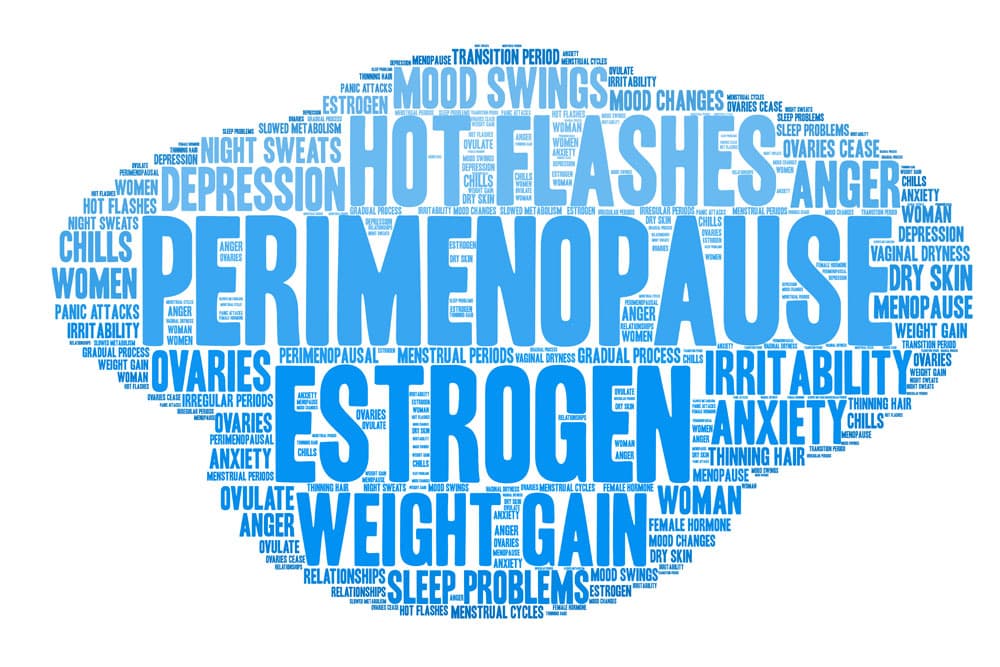
Understanding Perimenopause
Perimenopause is the transitional phase before menopause, during which a woman’s body undergoes hormonal changes that can last anywhere from a few months to over a decade. It typically begins in the 40s but can start earlier or later. This phase ends when menopause officially occurs—defined as 12 consecutive months without a menstrual period (Santoro et al., 2016).
During perimenopause, estrogen and progesterone levels fluctuate, leading to a variety of physical and emotional symptoms. Understanding these changes and preparing for them can help ease the transition and maintain overall well-being.
Related reading:
👉Fitness After 40: Why It Feels Different (And What To Do)
👉Perimenopause Nutrition in Singapore: Why You’re Tired, Gaining Weight and How to Fix It
Common Symptoms of Perimenopause
While every woman’s experience is unique, common symptoms include:
- Irregular periods: Menstrual cycles may become shorter, longer, heavier, or lighter (Harlow et al., 2022).
- Hot flashes and night sweats: These sudden temperature changes can be disruptive (Freedman, 2014).
- Mood swings and anxiety: Hormonal fluctuations can impact mental health (Soares, 2017).
- Sleep disturbances: Insomnia or difficulty staying asleep is common (Xu et al., 2021).
- Weight gain and metabolism changes: Hormonal shifts can lead to increased fat accumulation, particularly around the abdomen (Sowers et al., 2007).
- Vaginal dryness and low libido: Reduced estrogen levels affect vaginal tissue and sexual function (Kingsberg et al., 2019).
👉Brain Fog in Perimenopause: The Nutritional Cause and Fix
How to Prepare for Perimenopause
Being proactive about health and lifestyle changes can make perimenopause more manageable. Here’s how you can prepare:
1. Prioritize Nutrition
A balanced diet can help manage symptoms and support overall health. Key dietary tips include:
- Increasing calcium and vitamin D intake to support bone health (Weaver et al., 2016).
- Eating protein-rich foods to maintain muscle mass (Skarupski et al., 2011).
- Reducing processed sugars and refined carbs to prevent weight gain and stabilize mood.
👉A Doctor’s Natural Approaches for Perimenopause Symptom Relief
2. Exercise Regularly
Physical activity can reduce symptoms like mood swings, weight gain, and bone loss. Recommended activities include:
- Strength training to preserve muscle and bone density (Nelson et al., 2007).
- Cardiovascular exercises such as brisk walking or swimming to support heart health.
- Yoga and stretching to alleviate stress and improve flexibility.
👉Strength Training: Your Secret to a Healthier, Longer Life
👉Understanding the Body’s Mechanism to Maintain Weight
3. Manage Stress and Mental Health
Stress can intensify perimenopausal symptoms. Effective stress management techniques include:
- Meditation and mindfulness practices (Greendale et al., 2018).
- Seeking therapy or joining support groups to navigate emotional changes.
- Prioritizing sleep hygiene to improve rest quality.
4. Consider Hormonal and Non-Hormonal Treatments
If symptoms are severe, medical interventions can be beneficial:
- Hormone Replacement Therapy (HRT): Can help with hot flashes, mood swings, and bone loss but should be discussed with a doctor (Manson et al., 2013).
- Herbal Supplements: Black cohosh and phytoestrogens have been studied for symptom relief, though evidence is mixed (Newton et al., 2006).
👉The Insulin Reset: A Women’s Guide
5. Stay Informed and Consult Healthcare Providers
Every woman experiences perimenopause differently, making it crucial to seek personalized medical advice. Regular check-ups can help monitor hormone levels, bone health, and cardiovascular risk factors.
Conclusion
Perimenopause is a natural but often challenging transition. By understanding its symptoms and making proactive lifestyle changes, women can navigate this phase with greater ease and confidence. Whether through diet, exercise, stress management, or medical treatments, preparation is key to maintaining overall health and well-being during perimenopause.
You can consult our experts and learn about your diet during this phase by clicking here.
🔗 You May Also Find These Readings Helpful:
-
[A Doctor’s Natural Approaches for Perimenopause Symptom Relief]
- [Beyond the Hot Flashes: Exploring Testosterone Therapy for Women]
- [Irregular Menses After 40 – What to Expect]
References
- Santoro, N., et al. (2016). “The Menopausal Transition: Signs, Symptoms, and Management.” Obstetrics and Gynecology Clinics of North America. PubMed
- Freedman, R. R. (2014). “Hot Flashes: Mechanisms and Management.” Journal of Women’s Health. PubMed
- Soares, C. N. (2017). “Depression and Menopause.” The Journal of Psychiatry & Neuroscience. Link
- Xu, Q., et al. (2021). “Sleep Disturbances and Perimenopause.” Sleep Medicine Reviews. PubMed
- Kingsberg, S. A., et al. (2019). “Vulvovaginal Atrophy in Menopause.” Menopause: The Journal of the North American Menopause Society. PubMed
- Weaver, C. M., et al. (2016). “Calcium and Vitamin D Requirements in Menopausal Women.” Osteoporosis International. PubMed
- Nelson, M. E., et al. (2007). “Physical Activity and Bone Health in Older Women.” Sports Medicine. PubMed
- Manson, J. E., et al. (2013). “Hormone Therapy and Chronic Disease Prevention.” The New England Journal of Medicine. PubMed

Akanksha Sharma
Dr Akanksha Sharma (MBBS, MD) is a physician and women’s health nutrition specialist, and the founder of IYSA Nutrition. She provides evidence-based, doctor-led nutrition guidance for pregnancy, postpartum recovery, PCOS, child nutrition, and family health, helping women make calm, informed decisions about their health and their children’s well-being.