👉Hormone Therapy in Singapore — the medical complement to nutritional menopause management
👉Menopause Care in Singapore: A Doctor Explains Your Treatment & Support Options
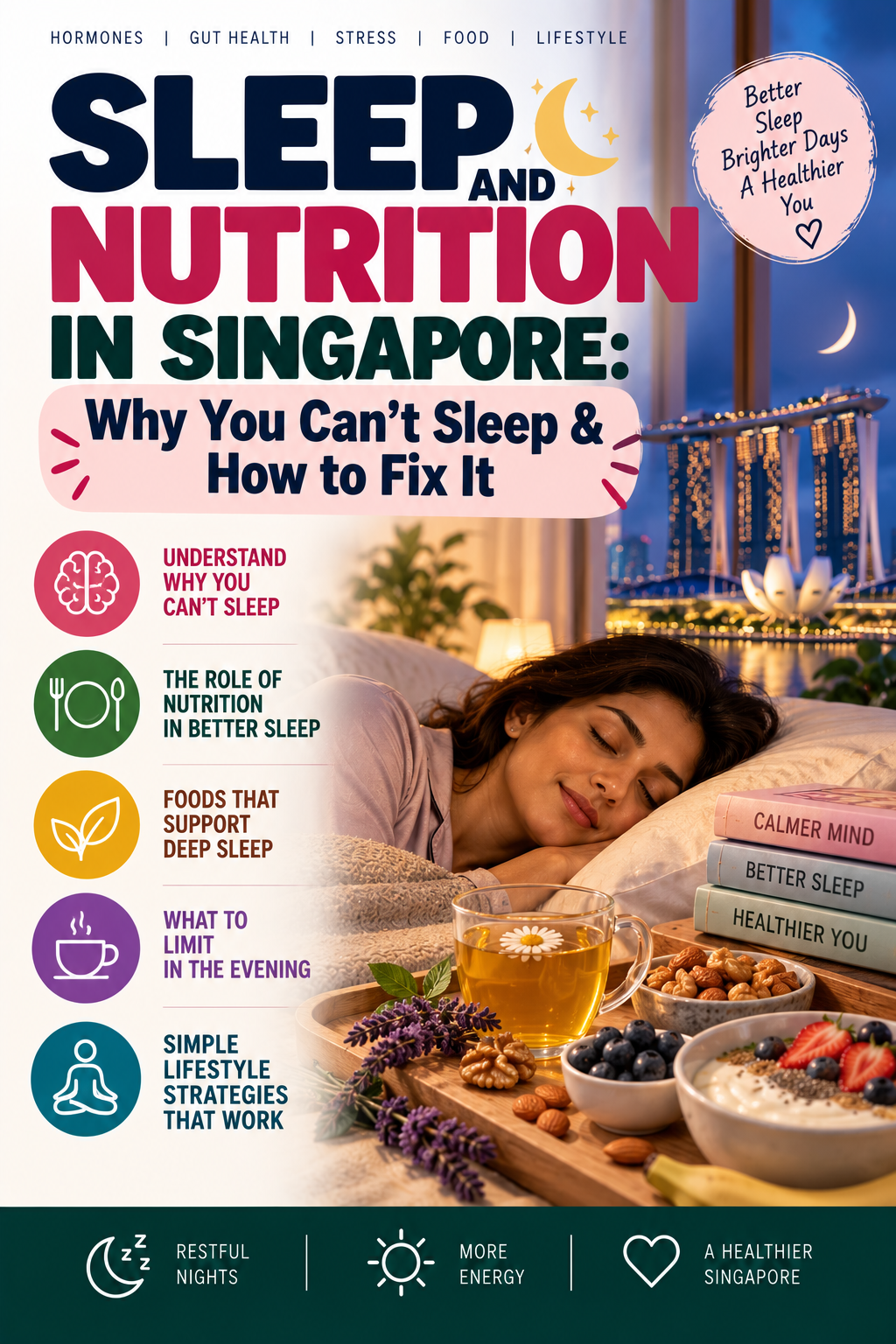
👉Sleep and Nutrition in Singapore: Why You Can’t Sleep & How to Fix It
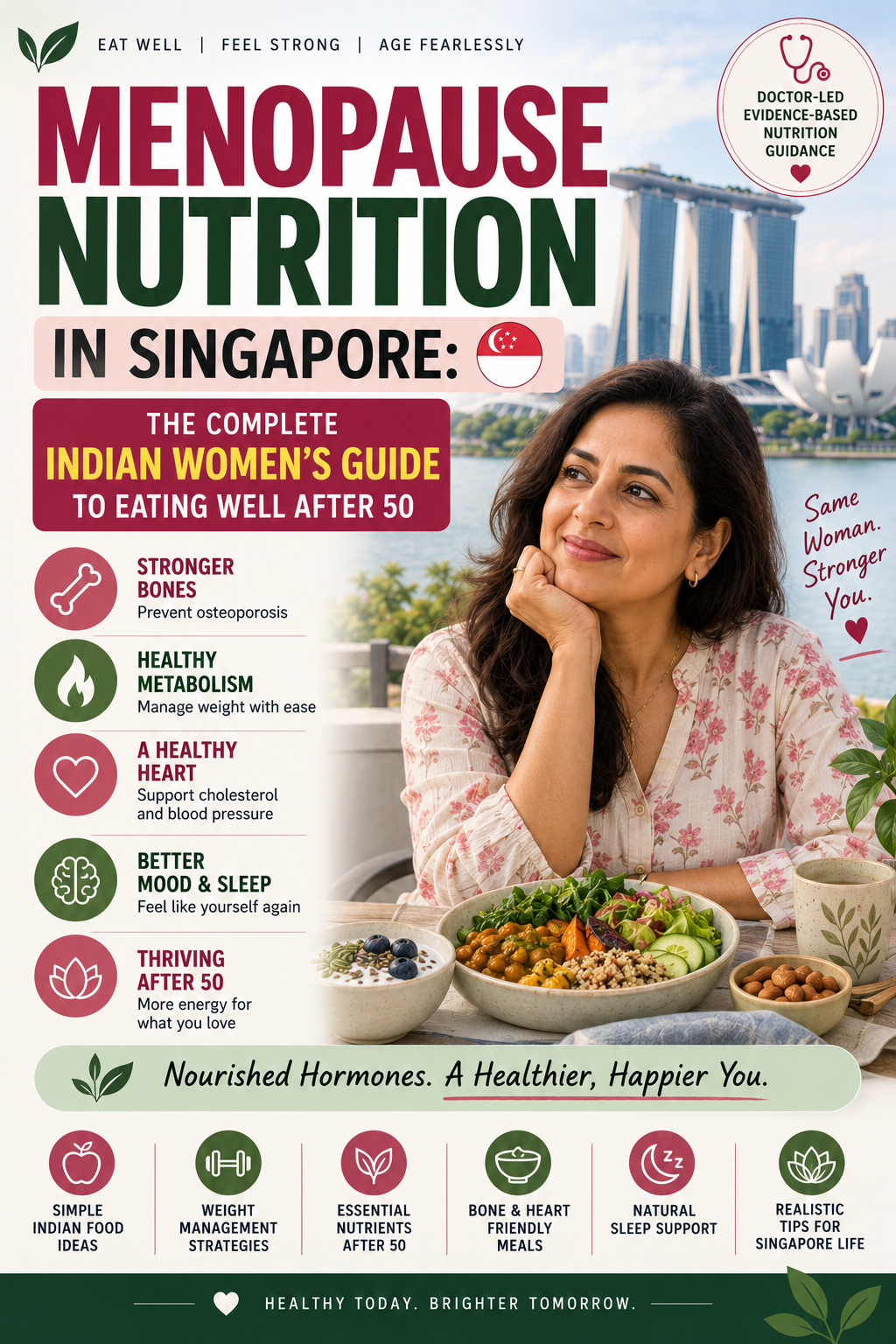
What Changes Nutritionally at Menopause
The cessation of oestrogen production triggers multiple simultaneous physiological changes with direct nutritional consequences:
- Bone resorption accelerates: The most rapid period of postmenopausal bone loss occurs in the first 2–3 years after the final menstrual period, when oestrogen-dependent suppression of osteoclast activity is removed. Indian women, starting from lower peak bone mass, are at particular risk of reaching osteoporotic thresholds earlier than Western women.
- Cardiovascular risk rises sharply: Premenopausal women have significantly lower cardiovascular disease risk than age-matched men; oestrogen’s cardioprotective effects on lipid profiles, arterial elasticity, and endothelial function partially explain this. Within 10 years of menopause, women’s cardiovascular risk approaches and then exceeds men’s. The postmenopausal Indian woman’s already-elevated metabolic risk makes this acceleration particularly consequential.
- Insulin resistance worsens: The relationship between oestrogen decline and insulin resistance is documented in multiple studies. Postmenopausal women have significantly higher rates of type 2 diabetes progression than premenopausal women of the same BMI, and Indian women, with pre-existing higher insulin resistance risk, face compounding vulnerability.
- Lean mass continues declining: Sarcopenia (age-related muscle loss) accelerates in the postmenopausal years, driven by both declining oestrogen and the progressive effect of reduced activity. Each kilogram of muscle lost further reduces resting metabolic rate and insulin sensitivity.
- Gut microbiome shifts: Oestrogen directly influences the gut microbiome composition; postmenopausal microbiome changes increase intestinal permeability and systemic inflammatory tone, contributing to the metabolic syndrome clustering seen in postmenopausal women.
Reference: Erdélyi A et al. The Importance of Nutrition in Menopause and Perimenopause — A Review. Nutrients. 2023;16(1):27. doi:10.3390/nu16010027. PubMed PMID 38201856
👉Bone Health for Indian Women — MHT protects bone; nutrition ensures the protection works
The Five Nutritional Priorities for Postmenopausal Indian Women
Priority 1: Protein — More Than You Think You Need
Postmenopausal protein requirements exceed premenopausal requirements by a meaningful margin, yet most Indian women’s dietary protein decreases in the postmenopausal years (smaller appetite, reduced cooking effort, retirement from physically demanding work that previously prompted higher protein intake). The recommended intake for postmenopausal women is 1.2–1.6 g per kg of body weight daily; for a 55 kg woman, this is 66–88 g daily.
The Frontiers in Nutrition 2025 mini-review (synthesising 18 systematic reviews and 24 RCTs) confirmed that protein adequacy is one of the key nutritional pillars for maintaining metabolic health, muscle mass, and bone quality in postmenopausal women. The specific amino acid leucine (found in eggs, dahi, and legumes) and essential amino acids broadly from complete proteins are most relevant for muscle protein synthesis stimulation in the anabolic-resistant postmenopausal muscle environment.
Practical Indian strategy: two eggs at breakfast (12g complete protein with leucine), masoor dal at lunch (9g per 100g cooked), plain dahi as afternoon snack (10–12g per 150g), paneer or fish at dinner (15–25g per serving). This framework reliably delivers 70–90g of protein daily without requiring supplementation for most women who follow it consistently.
Reference: Dietary interventions and nutritional strategies for menopausal health: mini-review. Front Nutr. 2025. Full Text
Priority 2: Bone Health Nutrition — The Three-Nutrient Protocol
The bone loss of early menopause, 2–3% per year in the first years post-FMP, is the nutritional emergency of the postmenopausal transition. The three-nutrient protocol:
Calcium (800 mg daily for postmenopausal women — ICMR-NIN 2020): Ragi roti daily (344 mg calcium per 100 g flour), dahi (300 mg per 200 g), milk or fortified plant milk, sesame seeds (til laddoo, til chutney), moringa, and paneer. Calcium from food is always preferred over supplements; where possible, the cardiovascular concerns around high-dose calcium supplementation are not present with food-based calcium.
Vitamin D (corrected to above 75 nmol/L): Essential for calcium absorption; without adequate Vitamin D, dietary calcium absorption falls to 10–15%. Near-universal deficiency in Indian Singapore women. Supplement 1,000–2,000 IU D3 daily; retest 25-OH Vitamin D at 3 months to confirm correction.
Vitamin K2 (MK-7, 100–200 mcg daily): Directs absorbed calcium to bone rather than arterial walls. Best food source: ghee (MK-4 form, a teaspoon daily in dal or on roti is both culturally natural and nutritionally sound). Natto (highest K2 food source) available at Japanese grocery stores in Singapore. Most women need supplemental MK-7 for meaningful K2 intake, available at Guardian and Watsons.
Priority 3: Cardiovascular Nutrition — The Postmenopausal Heart Priority
The postmenopausal rise in cardiovascular risk is the most significant long-term health consequence of oestrogen loss for Indian women, given their already-elevated baseline cardiometabolic risk. The dietary evidence is robust:
- Mediterranean-style or DASH pattern: Both consistently reduce cardiovascular risk in postmenopausal women. The Indian dietary pattern maps well onto both when it emphasises dal, legumes, vegetables, whole grains, fish, olive oil, and nuts, and poorly when it emphasises refined carbohydrates, fried foods, and excess sodium.
- Omega-3 fatty acids: Reduce triglycerides (which rise in postmenopausal women due to insulin resistance), reduce inflammatory markers, and modestly reduce cardiovascular event risk. Sardines and mackerel from Tekka Market; salmon from Cold Storage; algae-based DHA for vegetarians from iHerb Singapore.
- Reduce sodium below 2,000 mg daily: The NPHS 2022 confirms 9 in 10 Singapore residents exceed this, and hypertension risk rises sharply postmenopausally.
- Phytosterols: Plant sterols found in legumes, whole grains, nuts, and some fortified foods (available at Cold Storage, President Cholesterol Reducing Butter, for example) reduce LDL cholesterol by approximately 8–10%, a meaningful cardiovascular protective effect.
Priority 4: Brain Health — Protecting Cognition Postmenopausally
The menopausal transition is associated with subjective cognitive complaints: brain fog, word-finding difficulties, and memory lapses, which in most women improve within 2–5 years of the FMP as the brain adapts to lower oestrogen. However, postmenopausal women have approximately double the lifetime risk of Alzheimer’s disease compared to men, a disparity that researchers believe is partly attributable to the loss of oestrogen’s neuroprotective effects.
The MIND diet (Mediterranean-DASH Intervention for Neurodegenerative Delay) specifically targets brain-protective nutrients: leafy greens (palak, methi, moringa), berries (available at Cold Storage and FairPrice Finest), whole grains, fish, olive oil, nuts, and beans (dal). A landmark RCT of the MIND diet in postmenopausal women found significant cognitive benefit over a 3-year period. Key brain-protective nutrients for Indian women:
- DHA: The dominant structural fat of neuronal membranes; continue algae-based DHA supplementation (200–400 mg daily) postmenopausally
- B vitamins (B6, B12, folate): Required for homocysteine regulation; elevated homocysteine is an independent cognitive risk factor. Vegetarian Indian women require B12 supplementation actively postmenopausally.
- Turmeric (curcumin): Anti-neuroinflammatory properties with emerging dementia prevention evidence; the traditional Indian daily inclusion of turmeric in cooking (with black pepper to enhance curcumin bioavailability) is genuinely brain-protective
Priority 5: Gut Health — The Postmenopausal Microbiome
The oestrogen-gut microbiome relationship is bidirectional and significant. The “estrobolome”, the collection of gut bacteria that metabolise oestrogens, directly influences circulating oestrogen levels. Postmenopausal decline in oestrogen also reduces microbiome diversity and shifts composition toward less favourable populations. Supporting the gut microbiome postmenopausally through daily dahi, fermented foods (idli, dosa from fermented batter), and adequate prebiotic fibre (dal, vegetables, isabgol) directly supports both gut health and the modest endogenous oestrogen production that continues postmenopausally through adrenal DHEA conversion.
👉Perimenopause Nutrition Singapore — the nutritional foundation before and alongside MHT
👉Brain Fog in Perimenopause: The Nutritional Cause and Fix
👉Protein for Menopause: Are You Eating Enough?
What to Reduce or Eliminate Postmenopausally
- Sugar and refined carbohydrates: The single most impactful dietary change for postmenopausal insulin resistance and cardiovascular risk. Sweetened drinks, maida, packaged biscuits, and large white rice portions in a postmenopausal body with oestrogen-depleted insulin signalling produce disproportionate metabolic impact.
- Alcohol: Postmenopausally, alcohol raises breast cancer risk (oestrogen-metabolism interaction), worsens sleep quality, increases blood pressure, raises triglycerides, and reduces bone density. The risk profile of alcohol consumption worsens after menopause — moderation becomes more rather than less important.
- Ultra-processed food: Consistently associated with worse postmenopausal metabolic outcomes, gut microbiome disruption, and cognitive decline risk in population studies. Singapore’s hyperavailable UPF landscape (convenience stores, food courts, packaged snacks) requires deliberate resistance.
- Excess sodium: Postmenopausal hypertension risk is significantly elevated; the sodium reduction strategy in our SG15 post applies directly.
Menopause Nutrition · Singapore
Tired despite eating carefully. Gaining weight without explanation. Your body has changed, and your nutrition strategy needs to change with it.
I work with Indian women in Singapore navigating menopause, building personalised nutrition plans that address the specific metabolic, skeletal, cardiovascular, and hormonal changes of postmenopause, tailored for the Indian kitchen and Singapore’s food environment.
👉 Book a FREE 20-Minute Menopause Nutrition Call
Dr Akanksha Sharma · MBBS MD · Singapore & worldwide via Zoom
A Sample Postmenopausal Indian Day in Singapore
- Breakfast (7:30 am): Ragi porridge (calcium + iron) with one tablespoon ground flaxseed (phytoestrogens + lignans + omega-3 ALA) + two scrambled eggs (protein + leucine + B12) + plain dahi (protein + calcium + probiotics). Supplements: Vitamin D 1,000 IU, Vitamin K2 MK-7 100mcg, algae DHA 300mg.
- Mid-morning (10 am): One guava (Vitamin C for collagen and immune function) + a small handful of pumpkin seeds (zinc + magnesium)
- Lunch (1 pm — protein first): Thick masoor dal (protein + iron + folate) → bajra roti (magnesium + fibre) + palak sabzi with lime (calcium + Vitamin C + Vitamin K1) + tomato and cucumber salad. Add sardines or salmon twice weekly at lunch.
- Afternoon (4 pm): Plain dahi with a teaspoon of ground flaxseed and a few walnuts (omega-3 ALA + brain-protective polyphenols)
- Dinner (7 pm — early, ideally before 7:30 pm): Rajma curry (protein + potassium + fibre for cardiovascular health) + jowar roti + stir-fried vegetables with turmeric and black pepper. Ghee (one teaspoon on roti — Vitamin K2 MK-4 + cultural satisfaction).
- Evening supplement: Magnesium glycinate 300mg before bed, supports sleep quality, muscle relaxation, and blood pressure regulation
👉Menopause-Friendly Gut & Bone Health Diet and Lifestyle Plan
👉The Ultimate Guide to the Best Diet for Menopause: What to Eat (and to Avoid) to Thrive
Exercise: The Non-Negotiable Postmenopausal Companion to Nutrition
Nutrition without exercise in the postmenopausal years produces incomplete outcomes. The evidence is unambiguous on two specific exercise types:
- Resistance training (2–3 times per week): The only intervention that reliably reverses the muscle loss driving postmenopausal metabolic decline. Squats, lunges, rows, push-ups, progressive overload. At ActiveSG gyms (subsidised for Singapore residents), Anytime Fitness, or condominium gym facilities.
- Weight-bearing aerobic exercise (30 minutes daily minimum): Walking, jogging, cycling, dancing, stair climbing, the mechanical loading that stimulates bone remodelling alongside the cardiovascular and metabolic benefits. Singapore’s park connector network and ActiveSG sports facilities make this accessible regardless of housing type.
👉Menopause and Osteoporosis: Prevention Starts Earlier Than You Think
Frequently Asked Questions
I reached menopause at 46. Do I need to do anything different given how young I was?
Yes, significantly so. Early menopause (defined as before age 45) carries a greater accumulated cardiovascular, skeletal, and cognitive risk burden because the post-menopausal low-oestrogen period is longer. If you reached menopause at 46, your bone density, cardiovascular health, and metabolic status warrant earlier and more frequent monitoring than would be recommended for a woman who reached menopause at 52. Specifically: DEXA bone density scan now if not yet done, HOMA-IR and lipid panel, Vitamin D and calcium assessment, and an informed conversation with a gynaecologist about whether MHT is appropriate for your situation. The nutritional strategies in this post are the minimum non-pharmacological foundation; implement them immediately.
My hot flashes stopped after menopause but I feel worse than I did during them — more tired, more weight gained, more brain fog. Is this normal?
The cessation of acute vasomotor symptoms does not mean the physiological consequences of oestrogen loss have stopped; they continue and, in some domains, worsen. Postmenopausal fatigue is frequently driven by accumulating iron deficiency from years of heavy perimenopausal bleeding (test ferritin), Vitamin D deficiency (test 25-OH Vitamin D), thyroid shift (test TSH and FT3), and the ongoing insulin resistance of oestrogen depletion. Test all three before attributing “tiredness” to menopause as an untreatable given; in many cases it is a correctable nutritional or hormonal state.
Should I be taking collagen supplements for skin, joints, and bones?
The evidence for hydrolysed collagen supplementation in postmenopausal women has strengthened in recent years; several RCTs have found improvements in skin elasticity, joint pain, and bone density markers. The mechanism is plausible: collagen provides the glycine and proline amino acids that serve as specific building blocks for connective tissue synthesis. While collagen is not a replacement for adequate dietary protein, calcium, and Vitamin D, it may be a useful addition for postmenopausal women with joint pain and skin concerns at doses of 5–10g daily. Available at Guardian, Watsons, and iHerb Singapore. Food source: bone broth (chicken or mutton, a traditional Indian kitchen product that is also nutritionally sound).
I have been told I have osteopenia on my DEXA scan. What should I do nutritionally?
Osteopenia means bone density is below the normal young adult average but not yet at the osteoporotic threshold, the most actionable position to be in, because the intervention window is still wide. Immediately implement: ragi daily, dahi and milk for calcium, Vitamin D correction to above 75 nmol/L, Vitamin K2 MK-7 100–200 mcg daily, and progressive resistance training two to three times per week. Discuss with your physician whether MHT or bisphosphonate therapy is appropriate given your bone density trajectory and individual risk profile. Retest DEXA in 2 years with all interventions in place to assess the response.
The Bottom Line
Menopause is not a disease — but it is a physiological transition that fundamentally changes the nutritional environment of the body. For Indian women in Singapore who reach menopause earlier than the global average, the postmenopausal phase is longer and the accumulation of oestrogen-loss consequences is greater. The nutritional response is both urgent and highly actionable: protein above 1.2g/kg daily, the three-nutrient bone protocol (calcium + Vitamin D + K2), omega-3 and reduced sodium for cardiovascular health, brain-protective nutrients (DHA, B vitamins, turmeric), and daily fermented foods for the postmenopausal gut microbiome. Resistance training two to three times per week is the non-negotiable exercise complement. This is not a passive phase of life — it is one of the highest-stakes nutritional periods, and it responds meaningfully to deliberate, evidence-based intervention.
Menopause Nutrition · Singapore
Your Best Decades Can Still Be Ahead of You.
Nutrition Is Where They Start.
The postmenopausal years reward nutritional investment — and punish nutritional neglect — more immediately than any earlier life phase. Build the strategy now.
Not sure which programme fits your postmenopausal stage? Let’s talk — 20 minutes, your symptoms, your numbers, your plan. 👉 Book a FREE 20-Minute Menopause Nutrition Call Dr Akanksha Sharma · MBBS MD · Preventive Medicine Physician · Singapore & worldwide via Zoom |
Disclaimer: This article is for educational purposes only. Medical conditions including osteoporosis, cardiovascular disease, and diabetes require assessment and management by a qualified physician in Singapore.
References:
- Erdélyi A et al. The Importance of Nutrition in Menopause and Perimenopause. Nutrients. 2023;16(1):27. PubMed PMID 38201856
- Dietary interventions and nutritional strategies for menopausal health: mini-review. Front Nutr. 2025. Full Text
- Sun Y et al. Effects of dietary patterns on depression in peri- and postmenopausal women. Maturitas. 2023. PubMed PMID 36576445
- Prasad JB et al. Age at menopause in India: A systematic review. 2021. Full Text
- ICMR-NIN Expert Group. Recommended Dietary Allowances for Indians. 2020. nin.res.in

Akanksha Sharma
Dr Akanksha Sharma (MBBS, MD) is a physician and women’s health nutrition specialist, and the founder of IYSA Nutrition. She provides evidence-based, doctor-led nutrition guidance for pregnancy, postpartum recovery, PCOS, child nutrition, and family health, helping women make calm, informed decisions about their health and their children’s well-being.

2 responses to “Menopause Nutrition in Singapore: The Complete Indian Women’s Guide to Eating Well After 50”
[…] 👉Menopause Nutrition in Singapore: The Complete Indian Women’s Guide to Eating Well After 50 […]
[…] 👉Menopause Nutrition in Singapore: The Complete Indian Women’s Guide to Eating Well After 50 […]