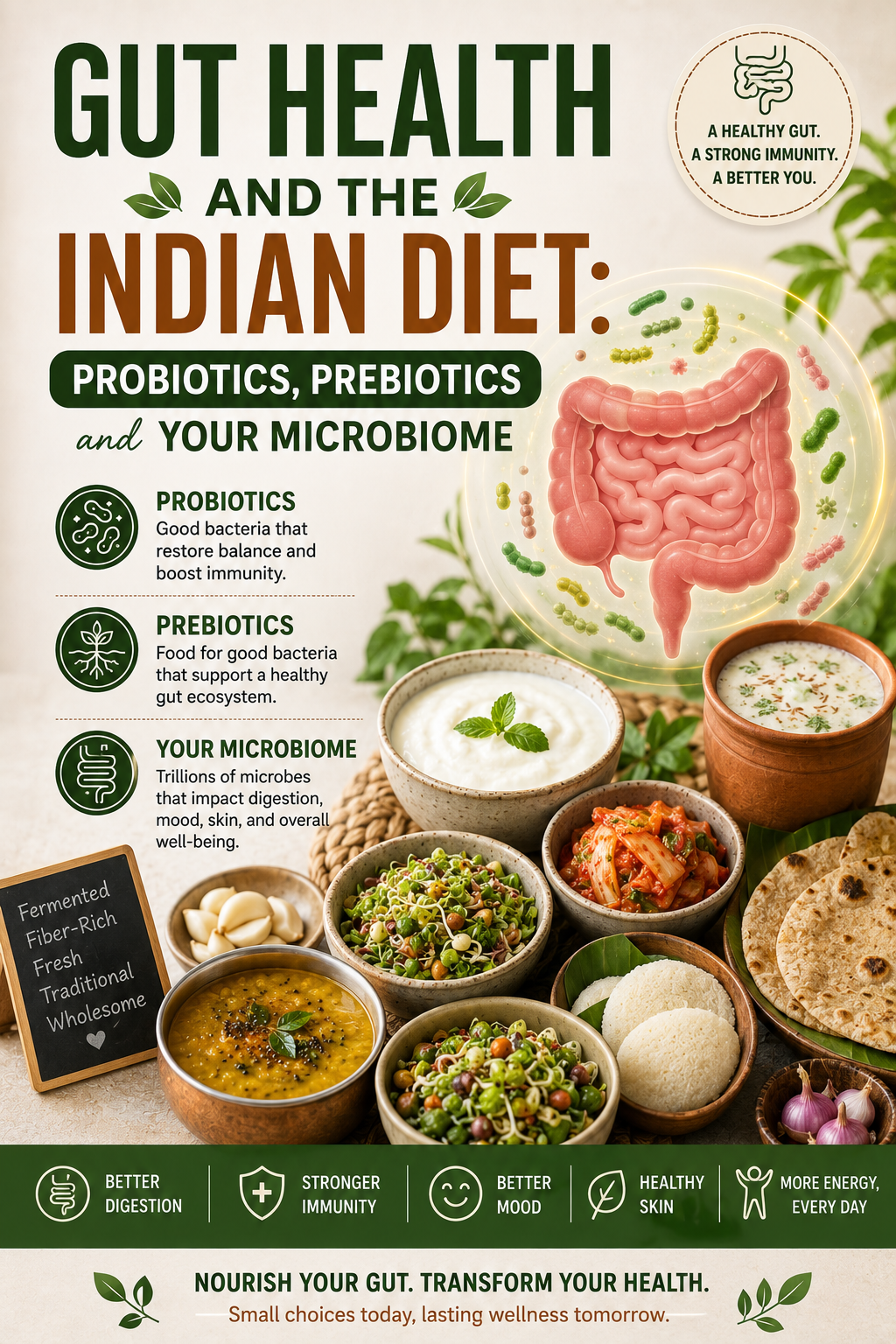
What Is the Gut Microbiome?
The gut microbiome refers to the vast and complex community of microorganisms, predominantly bacteria, alongside fungi, viruses, and archaea, that inhabit the human gastrointestinal tract, particularly the large intestine. Estimates suggest the adult gut harbours approximately 38 trillion microbial cells, representing over 1,000 species, with a combined genetic content that dwarfs the human genome itself.
This microbial community is not passive; it is metabolically active, performing functions that the human body cannot perform alone:
- Fermentation of dietary fibre into short-chain fatty acids (SCFAs), particularly butyrate, propionate, and acetate, which serve as the primary fuel for colonocytes (cells lining the colon), maintain the intestinal barrier, and have anti-inflammatory and metabolic signalling effects throughout the body
- Production of vitamins including Vitamin K2, several B vitamins, and folate
- Modulation of the immune system: approximately 70–80% of the body’s immune cells are located in or adjacent to the gut, and the microbiome plays a central role in their education and regulation
- Production of neurotransmitters: approximately 90% of the body’s serotonin is produced in the gut by enterochromaffin cells whose activity is directly influenced by gut bacteria
- Metabolism of dietary compounds including phytoestrogens, polyphenols, and bile acids
- Protection against pathogens through competitive exclusion and production of antimicrobial compounds
📖Prebiotics, Probiotics, and Postbiotics: The Power Trio for Optimal Health
What Damages the Gut Microbiome?
Before discussing what supports the microbiome, understanding what damages it is equally important, because the threats are widespread in modern Indian urban life:
- Antibiotics: Broad-spectrum antibiotics are among the most disruptive forces on the gut microbiome, dramatically reducing diversity and allowing opportunistic species to overgrow. A course of antibiotics can reduce microbiome diversity by 25–50%, with recovery taking weeks to months, and, importantly, not always fully returning to the pre-antibiotic state. India has among the highest antibiotic usage rates globally, making this a particularly relevant concern.
- Ultra-processed food: Diets high in ultra-processed foods are consistently associated with lower microbiome diversity and reduced populations of beneficial species. The emulsifiers, artificial sweeteners, and lack of dietary fibre in UPFs directly impair the microbiome.
- Chronic stress: The gut-brain axis works bidirectionally; psychological stress directly alters gut microbiome composition through cortisol and autonomic nervous system signals to the enteric nervous system.
- Insufficient dietary fibre: Gut bacteria primarily eat dietary fibre. A low-fibre diet starves the microbiome, reducing the production of SCFAs and the populations of butyrate-producing species that are most critical for gut barrier integrity and immune regulation.
- Inadequate sleep: Sleep disruption alters the circadian rhythm of the gut microbiome, which itself has a daily cycle, reducing beneficial species populations.
📖 Hidden Sugar in Children’s Snacks — how ultra-processed foods damage the microbiome
📖Ultra-Processed Foods and Children: What Parents Think vs What Guidelines Say
Probiotics: What the Evidence Actually Shows
Probiotics are live microorganisms that, when administered in adequate amounts, confer a health benefit on the host; this is the WHO/FAO definition. It is important to be precise here about what the evidence does and does not show.
Where the Evidence Is Strong
- Prevention of antibiotic-associated diarrhoea: Multiple meta-analyses confirm that specific probiotic strains, particularly Lactobacillus rhamnosus GG and Saccharomyces boulardii, significantly reduce the risk of diarrhoea during antibiotic treatment. This is one of the most robust indications for probiotic use.
- Acute infectious diarrhoea in children: Well-powered RCTs support the use of specific probiotic strains to reduce duration of acute gastroenteritis in children.
- IBS symptom improvement: Multiple RCTs and systematic reviews support probiotics for overall IBS symptom reduction, though strain specificity matters.
- Yoghurt and type 2 diabetes prevention: A 2025 Nature Communications study specifically examining Indian rural populations found that fermented food consumption was associated with greater stability of beneficial gut bacteria. ISAPP’s consensus on fermented foods notes evidence of health benefits from yoghurt consumption, including a reduction in type 2 diabetes and cardiovascular disease risk.
Where the Evidence Is More Limited
The popular belief that probiotic supplements comprehensively “repopulate” the gut with beneficial bacteria is not well-supported by the current evidence. Research consistently finds that most probiotic strains ingested as supplements pass through the gut transiently; they confer benefits during transit but do not permanently colonise. The most durable way to support the gut microbiome is through the dietary environment: providing the fibre substrate and fermented foods that support the growth of resident beneficial bacteria, rather than attempting to add new strains from outside.
Indian Fermented Foods: The Probiotic Foundation
A comprehensive review of Indian probiotic traditional foods published in a peer-reviewed nutrition journal documented that India has one of the richest traditions of naturally fermented foods of any food culture globally, with distinct regional fermented preparations spanning dairy, grains, legumes, and vegetables. The most clinically relevant are:
Dahi (Yoghurt)
Dahi is produced by fermentation of milk with Lactobacillus delbrueckii subspecies bulgaricus and Streptococcus thermophilus, strains with well-documented probiotic properties. A daily bowl of traditionally made dahi provides approximately 100 million to 1 billion live bacteria per gram. The lactic acid bacteria in dahi reduce intestinal pH, inhibit pathogen growth, reduce lactose content (making it better tolerated by lactose-intolerant individuals), and directly modulate immune function in the intestinal mucosa. ISAPP’s review notes yoghurt consumption is associated with reduced type 2 diabetes and cardiovascular disease risk in population data.
Idli and Dosa (Fermented Rice and Urad Dal)
The fermentation of idli and dosa batter produces a rich community of lactic acid bacteria and yeast, including Lactiplantibacillus plantarum and Lacticaseibacillus rhamnosus strains, that have been isolated and characterised in Indian food microbiology research. These strains demonstrate gut adhesion properties, antimicrobial activity, and gut microbiome modulation that support intestinal health. Fermentation also reduces phytates by up to 50%, improving iron and zinc bioavailability from the same preparation.
The key practical point: idli and dosa made from properly fermented batter contain live bacteria; instant idli mixes do not. The fermentation time (typically 8–12 hours at room temperature) is not merely a cooking step; it is the process that creates the probiotic content and the nutritional improvements that make these foods so beneficial. Preserving traditional fermented batter preparation is a microbiome health decision, not just a culinary preference.
Chaas (Buttermilk) and Lassi
Buttermilk from traditionally churned dahi retains live bacterial cultures in diluted form. Chaas after meals is a traditional practice with genuine digestive benefit; the live bacteria support the microbial environment of the gut, the dilute lactic acid may support gastric acidity, and the protein and minerals contribute meaningfully to nutrition. Plain chaas without added flavourings or preservatives is a superior choice to most commercial probiotic beverages.
Kanji (Fermented Carrot or Beetroot Drink)
Kanji, a traditional North Indian preparation made by fermenting black carrots or beetroot in water with mustard powder, is a lesser-known but genuinely probiotic preparation. It is less studied than dahi or idli but is consistent with traditional Indian fermentation wisdom and provides a non-dairy fermented option for those who prefer to vary their probiotic sources.
Dhokla and Khaman
Made from fermented chickpea batter, dhokla provides both the probiotic benefit of fermentation and the protein and fibre of chickpeas, one of the better prebiotic-probiotic combination foods in the Indian repertoire.
📖Fermented Foods: The Secret to Better Gut Health, Immunity, and Overall Wellness
📖Bone Health for Indian Women: Preventing Osteoporosis Before It’s Too Late
Prebiotics: Feeding Your Microbiome Through Food
Prebiotics are dietary substrates that are selectively used by host microorganisms, conferring a health benefit. In practical terms, prebiotics are specific types of dietary fibre that beneficial gut bacteria preferentially ferment, producing SCFAs and supporting the growth of health-promoting species.
The Indian diet is extraordinarily rich in prebiotic fibre, which is one of the primary reasons traditional Indian populations have historically had better gut microbiome diversity than Western populations consuming low-fibre processed diets.
Best Indian Prebiotic Foods
- All dal and legumes: Galacto-oligosaccharides (GOS) in legumes are among the most potent prebiotic substrates; they selectively feed Bifidobacterium and Lactobacillus species. Rajma, chana, masoor, moong: Daily consumption is the single most impactful prebiotic habit available in Indian cuisine.
- Garlic and onion: Rich in fructooligosaccharides (FOS) and inulin, among the best-studied prebiotic compounds. The fact that most Indian cooking begins with a garlic-onion base is microbiome-supportive, even though the cooking process reduces some of the prebiotic content. Raw or lightly cooked garlic and onion retain more prebiotics than heavily cooked versions.
- Banana (especially slightly underripe): Resistant starch in underripe bananas is an excellent prebiotic. As bananas ripen, resistant starch converts to simple sugar; the less ripe the banana, the higher the prebiotic content.
- Whole grains — jowar, bajra, oats, barley: All provide beta-glucan and arabinoxylan prebiotics. Barley has the highest prebiotic fibre content of any Indian-accessible grain.
- Isabgol (psyllium husk): A powerful prebiotic fibre that feeds beneficial bacteria while also improving stool consistency, making it simultaneously a prebiotic and a bowel health intervention.
- Moringa (drumstick leaves): Emerging evidence suggests moringa has prebiotic properties alongside its established nutritional density in iron, calcium, and Vitamin C.
- Raw or lightly cooked garlic: One to two cloves of raw garlic daily, in salad dressing, chutney, or lightly sautéed, provides clinically relevant FOS for microbiome support.
👩⚕️ Need Personalised Gut Health Support?
I help Indian women and families build sustainable gut health through evidence-based, culturally grounded nutrition, no expensive supplements required.
Explore my program:
GUT RESET — A 4-Week Clinical Program to Restore Your Gut, Resolve Bloating & Rebuild Digestive Health
The Gut-Brain Axis: Why Gut Health Affects Mood
One of the most important emerging areas in gut microbiome research is the gut-brain axis, the bidirectional communication network between the enteric nervous system (the gut’s own nervous system), the vagus nerve, and the central nervous system. Approximately 90% of serotonin is produced in the gut, and gut microbiome composition directly influences serotonin synthesis, neuroinflammation, and the HPA stress axis.
For Indian women specifically, this connection has particular relevance: anxiety, depression, IBS, and postpartum depression are all associated with altered gut microbiome composition. Supporting the gut microbiome through fermented foods, adequate fibre, and reduced antibiotic exposure is not just a digestive health strategy; it is a brain health and mood support strategy with a sound biological basis, even if the clinical trial evidence for specific interventions on mental health outcomes via the gut remains developing.
📖The Mind-Gut Connection — Book Summary & Gut-Healing Insights
📖 Postpartum Depression and Nutrition — the gut-brain axis and serotonin production
📖 Cortisol and Stress Eating — the stress-gut connection
The Simple Daily Gut Health Protocol for Indian Women
- Morning: One teaspoon of isabgol in warm water (prebiotic fibre, bowel regularity)
- Breakfast: Idli/dosa from fermented batter or plain dahi with seeds (probiotics + prebiotics)
- Lunch: 1 bowl of rajma, chana, or another legume + sabzi with garlic and onion (FOS prebiotic) + paneer + salad
- Afternoon: A small bowl of plain dahi or plain chaas (probiotics)
- Dinner: 1 bowl vegetable soup + 1 bowl of dal + tofu/paneer/chicken/fish. Garlic-based tadka.
- Supplements to consider: A probiotic supplement with Lactobacillus rhamnosus GG or Saccharomyces boulardii is most evidence-supported during or after antibiotic courses. For general maintenance, food-based probiotics are as or more effective than supplements for most people.
📖Gut-Brain Axis and Ayurveda: Did Ancient Wisdom Predict Modern Science?
📖How Anxiety Is Wrecking Your Gut: The Gut-Brain Connection Explained
Frequently Asked Questions
Do I need to buy expensive probiotic supplements for gut health?
For most Indian women eating a traditional-style diet with daily dahi and regular idli/dosa, commercial probiotic supplements provide marginal additional benefit. The live bacteria in traditionally fermented foods at the quantities consumed daily are comparable in probiotic content to many commercial supplements, and come packaged with prebiotic fibre, protein, calcium, and other nutrients that isolated supplements do not provide. The evidence for probiotic supplements is strongest in specific clinical indications (antibiotic-associated diarrhoea, acute gastroenteritis, IBS) rather than for general health maintenance in someone already eating well.
Is there a difference between commercial dahi and homemade dahi for gut health?
Homemade dahi (set from boiled milk with a small amount of active culture as starter) generally contains a richer community of live bacteria than most commercial products, which may have been heat-treated after fermentation (pasteurised post-fermentation), have shorter fermentation times, or contain only specific starter strains rather than the broader microbial community of traditional fermentation. For gut health benefits, look for dahi labelled “contains live cultures” or “probiotic” on the commercial product; make your own when practical; and prioritise natural fermentation over the flavoured, sweetened commercial versions.
Can gut health affect my skin?
Yes, the gut-skin axis is an increasingly recognised connection. Dysbiosis (imbalanced gut microbiome) is associated with worsened acne, eczema, and psoriasis in emerging research, potentially through increased intestinal permeability allowing microbial products to enter systemic circulation and trigger inflammatory skin responses. While the clinical evidence for specific probiotic interventions for skin conditions is still developing, the inflammatory pathway linking gut dysbiosis to skin inflammation is biologically well-established.
My child is on frequent antibiotics. How do I support their gut health?
The most important interventions are: start a probiotic supplement (Lactobacillus rhamnosus GG, confirmed effective for antibiotic-associated diarrhoea in children) on the same day as the antibiotic, taken at a different time of day; continue for one week after the antibiotic course ends; increase fermented food in the diet (dahi daily, idli and dosa regularly); and increase prebiotic fibre through dal, vegetables, and whole fruit once the acute illness resolves. Avoid giving antibiotics for viral illnesses (where they provide no benefit but cause microbiome damage); discuss this with your paediatrician.
The Bottom Line
The traditional Indian diet is not just culturally rich; it is scientifically one of the most microbiome-supportive dietary patterns available. Daily dahi, idlis and dosa from fermented batter, chaas after meals, dal and legumes at every meal, garlic-onion base in all cooking, and isabgol for fibre, this is a comprehensive probiotic-prebiotic programme that no commercial supplement can replicate in breadth or cultural sustainability. The challenge of the modern Indian urban lifestyle is not finding exotic gut health solutions; it is preserving the traditional dietary habits that were gut-healthy all along, against the encroachment of ultra-processed food and the erosion of fermented food preparation at home.
👩⚕️ You Don’t Have to Figure This Out Alone
As a Preventive Medicine physician, I have worked with hundreds of women across Singapore and beyond — helping them restore gut health, manage digestive conditions, and build sustainable nutrition habits through evidence-based, culturally grounded guidance.
🌿 Explore My Program:
GUT RESET
A 4-Week Clinical Program to Restore Your Gut, Resolve Bloating & Rebuild Digestive Health
Includes gut health optimisation as part of the complete metabolic and hormonal reset, because gut health, insulin resistance, and body composition are deeply interconnected.
🌸 Not sure where to start? Begin with a complimentary 20-minute support call.
Serving clients in Singapore, India, and worldwide via Zoom.
Disclaimer: This article is for educational purposes only. Persistent digestive symptoms should be assessed by a qualified physician to rule out underlying medical conditions.
References:
- Fermented foods affect the seasonal stability of gut bacteria in an Indian rural population. Nat Commun. 2025. PMC Full Text
- Indian Probiotic Traditional Foods: Bibliometric Review of Health Impacts. Curr Res Nutr Food Sci. 2025. Full Text
- Unlocking the health potential of fermented foods: insights from traditional Indian diets. Front Microbiol. 2026. Full Text
- Fermented Foods, Health and the Gut Microbiome. Nutrients. 2022. Full Text
- ICMR-NIN Expert Group. Recommended Dietary Allowances for Indians. 2020. nin.res.in

Akanksha Sharma
Dr Akanksha Sharma (MBBS, MD) is a physician and women’s health nutrition specialist, and the founder of IYSA Nutrition. She provides evidence-based, doctor-led nutrition guidance for pregnancy, postpartum recovery, PCOS, child nutrition, and family health, helping women make calm, informed decisions about their health and their children’s well-being.