Written & reviewed by Dr Akanksha Sharma, MBBS, MD (Preventive & Community Medicine) | Founder, IYSA Nutrition, Singapore
You know the pattern. A stressful day at work. A difficult conversation. A child who would not sleep. A to-do list that has not shortened. And then, almost involuntarily, you find yourself standing at the kitchen counter eating biscuits you did not mean to eat, or finishing your child’s leftover rice at 10 pm, or reaching for something sweet despite having eaten dinner two hours ago.
This is not a lack of willpower. This is cortisol.
Cortisol is your primary stress hormone, produced by the adrenal glands in response to physical or psychological stress. It is essential for survival: it mobilises energy, sharpens focus, suppresses non-essential functions, and prepares the body for action. In acute, short-term stressors, cortisol is your ally. The problem is chronic cortisol elevation, the state of persistent physiological stress that characterises the lives of many Indian women in their 30s, 40s, and 50s, managing careers, families, households, and their own health simultaneously.
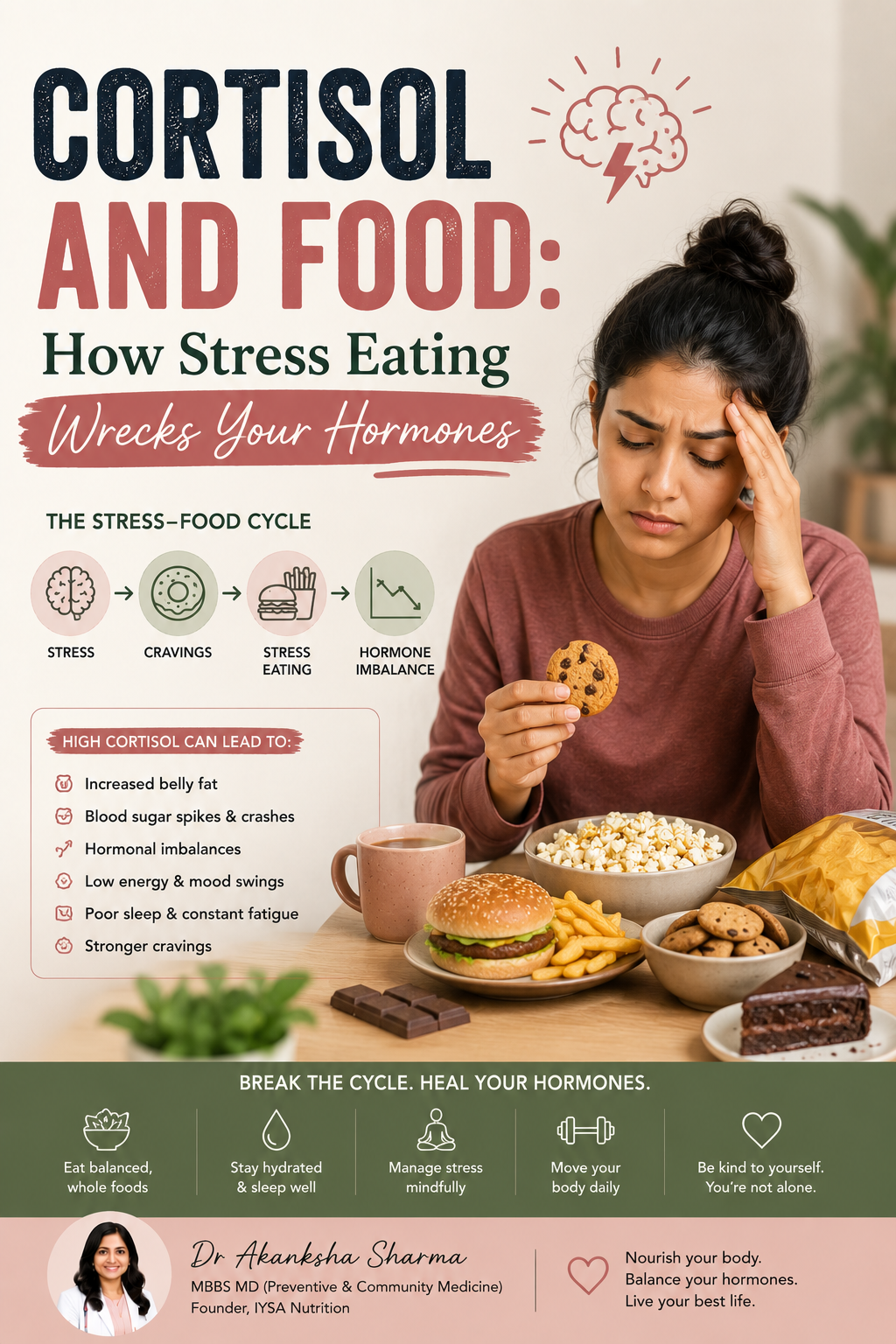
Chronically elevated cortisol does not just make you tired and anxious. It directly disrupts your hormonal architecture, suppressing thyroid function, impairing insulin signalling, disrupting oestrogen-progesterone balance, promoting visceral fat storage, driving carbohydrate cravings, and accelerating ageing at the cellular level. And critically: the foods you eat in response to stress often amplify the cortisol response rather than dampen it, creating a self-perpetuating cycle that is both metabolically damaging and emotionally exhausting.
This post explains the cortisol-food cycle in clinical detail, identifies the specific dietary patterns and foods that worsen it, and gives you evidence-based, practical strategies, grounded in both nutritional science and Indian food culture, to break it.
Related reading:
👉The CBD Survival Guide: Managing High Cortisol & Insulin Resistance in SG Work Culture
👉Fitness After 40: Why It Feels Different (And What To Do)
👉The Singapore Woman’s Essential Guide to Early Diabetes Detection
Cortisol 101: What It Does and Why Chronic Elevation Is Dangerous
The Acute Stress Response
When the brain perceives a threat, whether a predator in the ancestral environment or a critical email from your manager, the hypothalamus activates the HPA (hypothalamic-pituitary-adrenal) axis. The pituitary releases ACTH, which signals the adrenal glands to release cortisol and adrenaline. Within seconds to minutes, cortisol:
- Raises blood glucose by stimulating glycogen breakdown and gluconeogenesis (making glucose from non-carbohydrate sources)
- Increases heart rate and blood pressure
- Suppresses digestion, immune function, reproduction, and growth; non-essential in the short term
- Sharpens attention and reaction time
Once the threat passes, cortisol falls, and normal physiology resumes. This is the system working exactly as designed.
The Chronic Stress Problem
The HPA axis did not evolve for the kind of stressors that characterise modern life, where the “threat” is not a tiger that is either killed or runs away, but a persistent accumulation of workplace pressure, financial worry, relationship tension, health anxiety, and social obligation that never fully resolves. When the stressor is chronic, cortisol remains chronically elevated — and the consequences are systemic and cumulative:
- Insulin resistance: Cortisol raises blood glucose by design. Chronically elevated cortisol means chronically elevated blood glucose, requiring chronic insulin secretion, leading to insulin resistance, weight gain (especially abdominal), and eventual metabolic dysfunction.
- Visceral fat accumulation: Cortisol receptors are particularly dense in abdominal adipose tissue. Chronic cortisol elevation specifically drives fat storage around the organs, the most metabolically dangerous fat distribution pattern.
- Thyroid suppression: Cortisol inhibits TSH secretion and impairs T4-to-T3 conversion. Chronic stress functionally mimics subclinical hypothyroidism, causing fatigue, weight gain, cold intolerance, and mood changes, even when thyroid blood tests appear normal.
- Oestrogen-progesterone disruption: Cortisol is made from the same precursor molecule as progesterone (pregnenolone). In chronic stress, the body preferentially diverts pregnenolone toward cortisol production, reducing progesterone synthesis. This “pregnenolone steal” creates relative oestrogen dominance and progesterone deficiency: irregular cycles, PMS, heavy periods, and worsened PCOS or endometriosis symptoms.
- Immune dysregulation: Acute cortisol is anti-inflammatory; chronic cortisol paradoxically worsens immune dysregulation, increasing autoimmune flares, allergic reactivity, and susceptibility to infection.
- Sleep disruption: Cortisol and melatonin operate on an inverse rhythm; cortisol should be highest in the morning and lowest at night, with melatonin doing the reverse. Chronic stress disrupts this rhythm, causing cortisol to spike at night (2–4 am waking is a classic cortisol disruption sign), impairing both sleep onset and sleep quality.
- Accelerated ageing: Chronic cortisol shortens telomeres, the protective caps on chromosomes that determine cellular ageing rate. Women under chronic stress show measurably shorter telomeres compared to low-stress controls, a cellular mechanism of accelerated biological ageing.
👩⚕️ Need a Personalised IBS Diet Plan?
We offer one-to-one IBS nutrition support with:
- 🥗 Personalised low-FODMAP Indian meal plans
- 🔍 Guided FODMAP reintroduction protocol
- 📲 WhatsApp tracking support
👉Click here to book a FREE Consultation and start your journey today!
Why Stress Makes You Eat — And What It Makes You Eat
The Neurobiological Drive
Cortisol drives carbohydrate and fat craving through several mechanisms:
- Cortisol increases neuropeptide Y (NPY) in the brain, a powerful appetite stimulant that specifically increases preference for high-calorie, high-sugar, high-fat foods
- Cortisol reduces leptin sensitivity, impairing the satiety signal that normally tells you when to stop eating
- Stress activates the brain’s reward centre (nucleus accumbens) to seek dopamine from palatable foods, sugar and fat provide rapid dopamine release, temporarily blunting the stress response and providing genuine (if short-lived) emotional relief
- Serotonin deficiency under chronic stress drives carbohydrate cravings, as carbohydrates temporarily increase tryptophan availability for serotonin synthesis
This means that stress eating is not a character flaw; it is a neurobiologically driven behaviour with a real functional purpose in the short term. The problem is that the foods typically consumed in stress eating (biscuits, chips, sweets, instant noodles, leftover rice) are exactly the foods that amplify the cortisol response in the medium term, creating the cycle.
The Foods That Make Cortisol Worse
Certain dietary patterns and specific foods directly stimulate further cortisol secretion or impair cortisol regulation:
- Refined sugar and high-GI carbohydrates: These cause rapid blood glucose spikes followed by crashes. The glucose crash is itself a physiological stressor that triggers cortisol release, adding metabolic stress to the existing psychological stress. The stressed woman who eats biscuits to feel better triggers a blood sugar crash that makes her feel worse, which makes her want more biscuits.
- Caffeine in excess: Caffeine directly stimulates adrenal cortisol secretion. Two cups of coffee or three to four cups of chai in a day is physiologically significant for a woman already under chronic stress, amplifying the cortisol burden rather than resolving the fatigue that drives the consumption. The exhaustion behind excess caffeine consumption needs to be addressed at its root cause (poor sleep, nutritional depletion, unsustainable workload), not perpetually medicated with stimulants.
- Alcohol: While alcohol temporarily reduces perceived stress through its GABAergic effect, it disrupts cortisol regulation over the medium term, raising morning cortisol, worsening HPA axis dysregulation, impairing sleep quality (which is the single most important cortisol regulator), and disrupting the gut microbiome that produces serotonin.
- Ultra-processed foods: These are typically high in refined carbohydrates, industrial seed oils (omega-6), artificial additives, and sodium, all of which drive systemic inflammation that further activates the HPA axis and sustains cortisol elevation.
- Skipping meals: An empty stomach triggers hypoglycaemia, which is a direct physiological stressor that spikes cortisol. The Indian urban pattern of a rushed no-breakfast morning with multiple cups of chai, a light or skipped lunch, and then a large dinner is a cortisol-worsening eating pattern even before any psychological stress is added.
- Very low-calorie dieting: Caloric restriction is a profound physiological stressor. Women who restrict calories significantly raise their cortisol levels, a mechanism by which chronic dieting sabotages fat loss (cortisol promotes fat storage) and worsens hormonal balance.
👉IBS in Women: Managing Irritable Bowel Syndrome Through Diet
👉Healthiest Hawker Choices for Weight Loss in Singapore
👉How to Eat Healthy While Living in Condos vs HDBs (A Singapore Reality Check)
Foods and Dietary Strategies That Lower Cortisol
1. Eat Regularly — Every 3–4 Hours
The most fundamental cortisol-lowering dietary strategy is preventing hypoglycaemia through regular meal timing. Eat breakfast within an hour of waking. Have a small mid-morning snack if the gap to lunch is more than 4 hours. Have lunch. Have a small afternoon snack. Have dinner by 7:30–8 pm. This simple structure prevents the blood glucose drops that trigger cortisol spikes, and maintains the metabolic predictability that the HPA axis needs to stay calm.
2. Prioritise Protein at Breakfast
A protein-rich breakfast stabilises blood glucose, provides amino acids for neurotransmitter synthesis, and sets up the cortisol rhythm for the day. Cortisol is naturally highest in the morning (the cortisol awakening response, a healthy physiological pattern), and a protein-rich breakfast with complex carbohydrates provides the energy substrate for productive morning cortisol without amplifying it through blood sugar instability.
The worst breakfast for a stressed Indian woman: three cups of chai, two biscuits, and nothing else. This delivers caffeine (stimulates cortisol), refined sugar (spikes then crashes blood glucose, triggering further cortisol), and no protein, fat, or fibre to stabilise the response.
Best cortisol-calming Indian breakfast options:
- Two eggs (any style) with one jowar roti and a bowl of dahi
- Moong dal chilla with mint chutney and a glass of buttermilk
- Rolled oats with dahi, walnuts, and a small amount of fresh fruit, no added sugar
- Besan chilla stuffed with paneer and vegetables
3. Magnesium — The Anti-Cortisol Mineral
Magnesium has a bidirectional relationship with cortisol: cortisol depletes magnesium (the stress response literally uses magnesium as a cofactor), and magnesium deficiency amplifies the HPA axis response to stress, creating a self-reinforcing depletion cycle. Studies consistently show that magnesium supplementation reduces cortisol in stressed individuals and improves subjective stress measures.
Chronic stress, combined with a modern Indian diet dominated by refined foods low in magnesium, creates endemic magnesium deficiency in stressed women. The result is worsened anxiety, poor sleep, increased muscle tension, higher cortisol, and greater carbohydrate cravings; all of which can be meaningfully addressed by correcting magnesium deficiency.
Best Indian food sources of magnesium:
- Pumpkin seeds — the richest available source at approximately 150mg per 30g; keep a small jar on your desk
- Dark chocolate (70%+) — approximately 64mg per 30g; one to two squares is a genuine mood-and cortisol-supportive daily habit
- Almonds and cashews — 70–80mg per 30g
- Bajra (pearl millet) — 137mg per 100g; bajra roti is one of the most magnesium-rich staples in Indian cooking
- Banana — 27mg per medium banana; also provides vitamin B6 and potassium
- All dals and legumes — significant magnesium contributors at typical Indian serving sizes
- Dark leafy greens — palak, moringa, methi
Supplementation: If dietary intake is consistently low or stress is severe, magnesium glycinate (300–400 mg at night) is well-absorbed, does not cause the gastrointestinal side effects of magnesium oxide, and has the additional benefit of improving sleep quality, which is the most important single intervention for cortisol normalisation.
4. Vitamin C — The Adrenal Nutrient
The adrenal glands have one of the highest concentrations of Vitamin C of any tissue in the body. Vitamin C is required for cortisol synthesis and, paradoxically, for the regulation and downregulation of the cortisol response after a stressor. Multiple studies have found that Vitamin C supplementation (500–1000 mg/day) reduces salivary cortisol levels, accelerates cortisol recovery after acute stress, and reduces subjective stress perception.
Best Indian food sources of Vitamin C:
- Amla (Indian gooseberry) — the richest natural source of Vitamin C available in any food, providing approximately 600–800 mg per 100g, more than 10 times the Vitamin C of an orange. Two to three fresh amla, one tablespoon of amla powder, or amla murabba daily is one of the most accessible and culturally familiar Vitamin C interventions for Indian women.
- Guava — approximately 228 mg per 100g; widely available across India and Singapore
- Fresh green chilli — approximately 242 mg per 100g; added to most Indian cooking in small quantities
- Fresh coriander leaves — approximately 27 mg per tablespoon; used as garnish
- Capsicum (red and yellow) — approximately 190 mg per 100g
- Kiwi fruit — approximately 93 mg per 100g; available at most Singapore supermarkets
5. Ashwagandha — The Most Studied Adaptogen
Ashwagandha (Withania somnifera) is an Ayurvedic herb with an extraordinary evidence base for HPA axis modulation. Multiple randomised controlled trials have found that ashwagandha root extract (300–600 mg/day of standardised root extract containing at least 5% withanolides) significantly reduces serum cortisol levels, improves subjective stress and anxiety scores, reduces fasting blood glucose (partly mediated by cortisol reduction), improves sleep quality, and increases energy levels in chronically stressed adults.
A 2019 double-blind RCT published in Medicine found that 240 mg of ashwagandha daily for 60 days produced a 23% reduction in morning cortisol compared to placebo. This is clinically meaningful, comparable in effect size to several pharmaceutical anxiolytics.
Ashwagandha is safe for most adults at therapeutic doses. Caution: avoid during pregnancy; discuss with your doctor if breastfeeding; avoid with thyroid medication (ashwagandha can stimulate thyroid function and may alter medication requirements). Available in churna (powder) form from Himalaya, Dabur, Patanjali, and Organic India, as well as in capsule form from multiple brands in Singapore.
How to use: One teaspoon of ashwagandha churna in warm milk at night (traditional preparation); or 300–600 mg of standardised extract capsule with a meal. Start at the lower dose.
6. Rhodiola Rosea — The Performance Adaptogen
Rhodiola rosea is a Scandinavian adaptogenic herb with the most robust clinical evidence for reducing stress-induced fatigue and burnout, the cortisol-exhaustion syndrome experienced by many high-achieving women. Multiple trials have found Rhodiola reduces cortisol-related symptoms (fatigue, cognitive impairment, emotional exhaustion) and improves stress resilience without sedation.
It is not a traditional Indian herb, but is widely available in Singapore and increasingly in India at health supplement stores and online. Standard therapeutic dose: 200–400 mg of standardised extract (3% rosavins, 1% salidroside) daily, taken in the morning (not at night, it can be mildly stimulating). Discuss with your doctor if on medications for mood, blood pressure, or diabetes.
7. L-Theanine — The Green Tea Calmer
L-theanine is an amino acid found almost exclusively in tea leaves (Camellia sinensis), green tea, white tea, and black tea all contain it. L-theanine promotes alpha-wave brain activity (relaxed alertness), reduces cortisol reactivity to acute stressors, and, when combined with caffeine (as naturally occurs in green tea), produces a state of calm focus without the cortisol-spiking anxiety associated with caffeine alone.
This is the practical reason why green tea produces a different cognitive and stress experience than coffee, despite containing caffeine — the L-theanine modulates the cortisol and anxiety response to the caffeine. Replacing one or two daily cups of chai (caffeine without L-theanine) with green tea is a meaningful, practical cortisol-moderating switch for Indian women.
8. Anti-Inflammatory Foods — Addressing the Inflammation-Cortisol Loop
Chronic inflammation directly activates the HPA axis and elevates cortisol. Conversely, chronic cortisol drives inflammation. This bidirectional relationship means that an anti-inflammatory dietary pattern is simultaneously a cortisol-lowering strategy:
- Turmeric with black pepper: Curcumin reduces NF-kB (the master inflammatory switch) and directly modulates HPA axis activity. A daily habit of cooking with turmeric and black pepper is one of the most accessible anti-cortisol nutritional practices available in an Indian kitchen.
- Omega-3 fatty acids: DHA and EPA reduce inflammatory cytokines that activate the HPA axis. Fatty fish twice weekly, plus walnuts and ground flaxseed daily, addresses the omega-3 deficit that amplifies stress-induced inflammation.
- Fermented foods: The gut-brain axis means gut microbiome health directly affects cortisol regulation. Plain dahi, idli, dosa, and chaas daily support the serotonin-producing gut bacteria that moderate the stress response.
9. Sleep as a Nutritional Priority
Sleep is the single most powerful cortisol-regulating intervention, more powerful than any food or supplement. During deep sleep, the HPA axis resets, cortisol drops to its nadir, and the body performs the cellular repair and hormonal recalibration that chronic stress disrupts. Every night of poor sleep is a cortisol-amplifying event; chronic sleep deprivation creates a persistent cortisol elevation that no dietary intervention can fully compensate for.
The nutrition-sleep connection is bidirectional: certain foods support sleep (magnesium, tryptophan from milk and turkey, complex carbohydrates in moderation at dinner, cherry juice containing melatonin) and others impair it (alcohol, excess caffeine after 2 pm, heavy late dinners, high-sugar evening snacks that spike and then crash blood glucose at 2 am).
A cortisol-calming bedtime routine through nutrition:
- A small dinner by 7:30 pm — not a large, protein-heavy meal that takes 4–5 hours to digest
- A glass of warm milk with ashwagandha or nutmeg (jaiphal) — nutmeg contains myristicin, a mild natural sedative compound used in Indian traditional medicine for centuries
- No screens, no checking email, no stimulating conversations in the hour before bed — cortisol responds to psychological signals as much as physical ones
- Magnesium glycinate at night — one of the most reliable supplements for sleep quality
- Avoid alcohol as a sleep aid — it disrupts sleep architecture and raises cortisol in the second half of the night
Related reading:
👉A Diet to Soothe Anxiety — Yes, the Sattvik Diet is Real
👉How Anxiety Is Wrecking Your Gut: The Gut-Brain Connection Explained
👉Brain Fog in Perimenopause: The Nutritional Cause and Fix
A Sample One-Day Cortisol-Calming Meal Plan (Indian)
- On waking: A glass of warm water with amla powder or fresh amla juice (Vitamin C for adrenal support). Five minutes of slow breathing or meditation before checking your phone, the cortisol awakening response is highest in the first 30 minutes after waking; do not amplify it with stressful information.
- Breakfast: Moong dal chilla (2 pieces) with mint chutney + a bowl of plain dahi + one cup of green tea (L-theanine + antioxidants). No sweet chai as your first beverage.
- Mid-morning: A small handful of pumpkin seeds + 1–2 squares of dark chocolate (70%+) + one guava or kiwi. These together provide magnesium, Vitamin C, and flavonoids, a potent cortisol-support snack combination.
- Lunch: Bajra roti (1–2, for magnesium) + thick masoor dal + palak sabzi with garlic and lime + a bowl of dahi. Include generous amounts of turmeric and black pepper in cooking.
- Afternoon: A cup of green tea or tulsi (holy basil) tea. Tulsi is an Ayurvedic adaptogen with good evidence for HPA axis modulation and cortisol reduction, available as a loose tea or teabags at any Indian grocery store in Singapore. A small banana (B6, potassium, magnesium).
- Dinner (before 8 pm): Salmon or sardine curry (omega-3 for neuroinflammation) + half cup brown rice + broccoli or cabbage sabzi (anti-inflammatory sulforaphane). For vegetarians: rajma or tofu curry replacing fish.
- Before bed: Warm milk with half a teaspoon of ashwagandha churna and a pinch of jaiphal (nutmeg). Magnesium glycinate 300mg supplement.
- Avoid throughout the day: More than 2 cups of chai; packaged biscuits and sweet snacks; skipping meals; eating dinner after 9 pm; screens within one hour of bedtime.
👩⚕️ Struggling With IBS? Let’s Find Your Triggers Together.
Living with IBS means every meal can feel uncertain. At IYSA Nutrition, I work with you one-to-one to identify your personal FODMAP triggers, build a sustainable Indian diet that keeps symptoms under control, and support your gut-brain health holistically.
Your personalised IBS nutrition plan includes:
- 🥗 A personalised low-FODMAP Indian meal plan — no generic Western advice
- 🔍 Systematic trigger identification through guided reintroduction
- 💊 Nutritional deficiency correction (iron, Vitamin D, B12, magnesium)
- 🧘♀️ Gut-brain support — stress, sleep, and nervous system strategies
- 📲 WhatsApp tracking support between sessions
Frequently Asked Questions
How do I know if I have high cortisol?
Cortisol can be tested through a morning serum cortisol, a 24-hour urinary free cortisol, or a salivary cortisol profile (4-point saliva test across the day, the most informative for assessing HPA axis rhythm rather than just absolute cortisol level). However, formal testing is often unnecessary before implementing lifestyle and dietary interventions; the symptom picture is typically very clear. Symptoms of chronically elevated cortisol include: abdominal weight gain despite controlled eating, persistent fatigue that does not resolve with rest, sleep disruption (particularly waking at 2–4 am), carbohydrate and sugar cravings, afternoon energy crashes, anxiety that feels disproportionate to external circumstances, irregular or disrupted menstrual cycles, and frequent infections. If symptoms are severe or you suspect Cushing’s syndrome (a medical condition of pathological cortisol excess), formal testing and specialist assessment are warranted.
Does coffee really raise cortisol?
Yes, coffee (and to a lesser extent, other caffeinated drinks including chai) directly stimulates adrenal cortisol secretion. A single cup of coffee raises serum cortisol by approximately 30% in most individuals. In the morning, this amplifies the natural cortisol awakening response, potentially beneficial for some people as a performance tool. But in women who are already chronically stressed, this cortisol amplification adds metabolic burden rather than benefit. Two to four cups of strong coffee or chai daily sustains a chronic low-grade cortisol elevation that meaningfully worsens HPA axis dysregulation over time. If you notice that your third cup of chai produces anxiety, heart palpitations, or worsened afternoon energy crashes, those are cortisol signals worth listening to.
Is intermittent fasting good or bad for cortisol?
It depends significantly on the individual and the fasting protocol. A 12-hour overnight fast (eating within a 12-hour window) is generally well-tolerated and beneficial for insulin sensitivity without significantly worsening cortisol in most women. Extended fasting (16+ hours) — particularly the popular 16:8 protocol- can significantly raise cortisol in women who are already under chronic stress, have hypothyroid or adrenal issues, or have a history of disordered eating. For stressed Indian women, a 12-hour eating window with regular, nutritious meals is a more sustainable and less cortisol-stressing approach than aggressive intermittent fasting. Women who feel more anxious, experience worse sleep, or have worsening menstrual irregularity on 16:8 are likely experiencing cortisol amplification from the fasting stress, this is a real physiological signal, not a lack of discipline.
Can ashwagandha be taken every day?
Yes, ashwagandha at therapeutic doses (300–600 mg of standardised root extract daily) is safe for daily use in most adults. Most clinical trials have used it for 8–12 weeks with good safety profiles and no significant adverse effects. Long-term daily use beyond 12 weeks has less published data, but traditional Ayurvedic use supports extended use at lower doses. Take a break of 4–6 weeks every 3 months to allow the body to reset. As noted above, avoid during pregnancy, discuss with your doctor if breastfeeding or on thyroid medication, and start at the lower dose to assess individual response.
I eat well, but I am still exhausted and stressed. What am I missing?
Diet is one pillar of cortisol management, but it is one of four. The others are sleep, movement, and stress perception/nervous system regulation. If you are eating well but still experiencing chronic stress symptoms, the most likely missing elements are: insufficient or poor-quality sleep (the single most powerful cortisol regulator, non-negotiable); chronic overcommitment and insufficient recovery time (the HPA axis needs genuine rest, not just horizontal screen time); inadequate moderate exercise (30 minutes of walking, yoga, or swimming daily is one of the most effective cortisol-modulating interventions available, more powerful than any supplement); and a nervous system regulation practice, breath work, meditation, yoga nidra, or even regular nature exposure, that directly down-regulates HPA axis activity at the neurological level. Nutrition supports this system; it cannot substitute for the system itself.
The Bottom Line
Cortisol is not your enemy, it is a brilliant survival mechanism that has been asked to work overtime in the modern world. The goal is not to eliminate stress, which is both impossible and undesirable. The goal is to build the nutritional and lifestyle infrastructure that supports your HPA axis in mounting a proportionate stress response and recovering from it efficiently, rather than remaining chronically activated in a state of physiological emergency.
Eat regularly. Prioritise magnesium and Vitamin C. Use ashwagandha intelligently. Replace multiple cups of chai with green tea at least some of the time. Sleep with intention. Move your body. Eat your amla. Cook with turmeric and black pepper. These are not grand interventions; they are the consistent, small practices that, compounded over weeks and months, fundamentally change your hormonal landscape.
Your stress is real. Your exhaustion is valid. And your body has an extraordinary capacity to recalibrate, if you give it the nutrients and the space to do so.
👉 Or CLICK HERE to explore my programs, customised for Indian diets and Singapore lifestyles.
Disclaimer: This article is written for educational purposes and does not constitute personalised medical advice. Please consult a qualified physician before making changes to your diet or starting supplementation.
Related reading:
👉Thyroid Support in Hypothyroidism: Diet, Lifestyle & Ayurveda
👉Burnout in High-Achieving Singapore Mothers: A Practical Recovery Plan
👉14-Day Metabolic Reset to Reduce Bloating and Improve Energy
👉Gut Problems Common in Singapore Women (and What to Do About Them)
✅ References
- Chandrasekhar K et al. A prospective, randomized double-blind, placebo-controlled study of safety and efficacy of ashwagandha root extract. Indian J Psychol Med. 2012;34(3):255-262. PMC
- Lopresti AL et al. An investigation into the stress-relieving and pharmacological actions of ashwagandha extract. Medicine. 2019;98(37):e17186. PubMed
- Rosanoff A et al. Suboptimal magnesium status in the United States: are the health consequences underestimated? Nutr Rev. 2012;70(3):153-164. PubMed
- Kimura K et al. L-Theanine reduces psychological and physiological stress responses. Biol Psychol. 2007;74(1):39-45. PubMed
- ICMR-NIN Expert Group. Recommended Dietary Allowances for Indians. 2020. nin.res.in

Akanksha Sharma
Dr Akanksha Sharma (MBBS, MD) is a physician and women’s health nutrition specialist, and the founder of IYSA Nutrition. She provides evidence-based, doctor-led nutrition guidance for pregnancy, postpartum recovery, PCOS, child nutrition, and family health, helping women make calm, informed decisions about their health and their children’s well-being.