Written & reviewed by Dr Akanksha Sharma, MBBS, MD (Preventive & Community Medicine) | Founder, IYSA Nutrition, Singapore
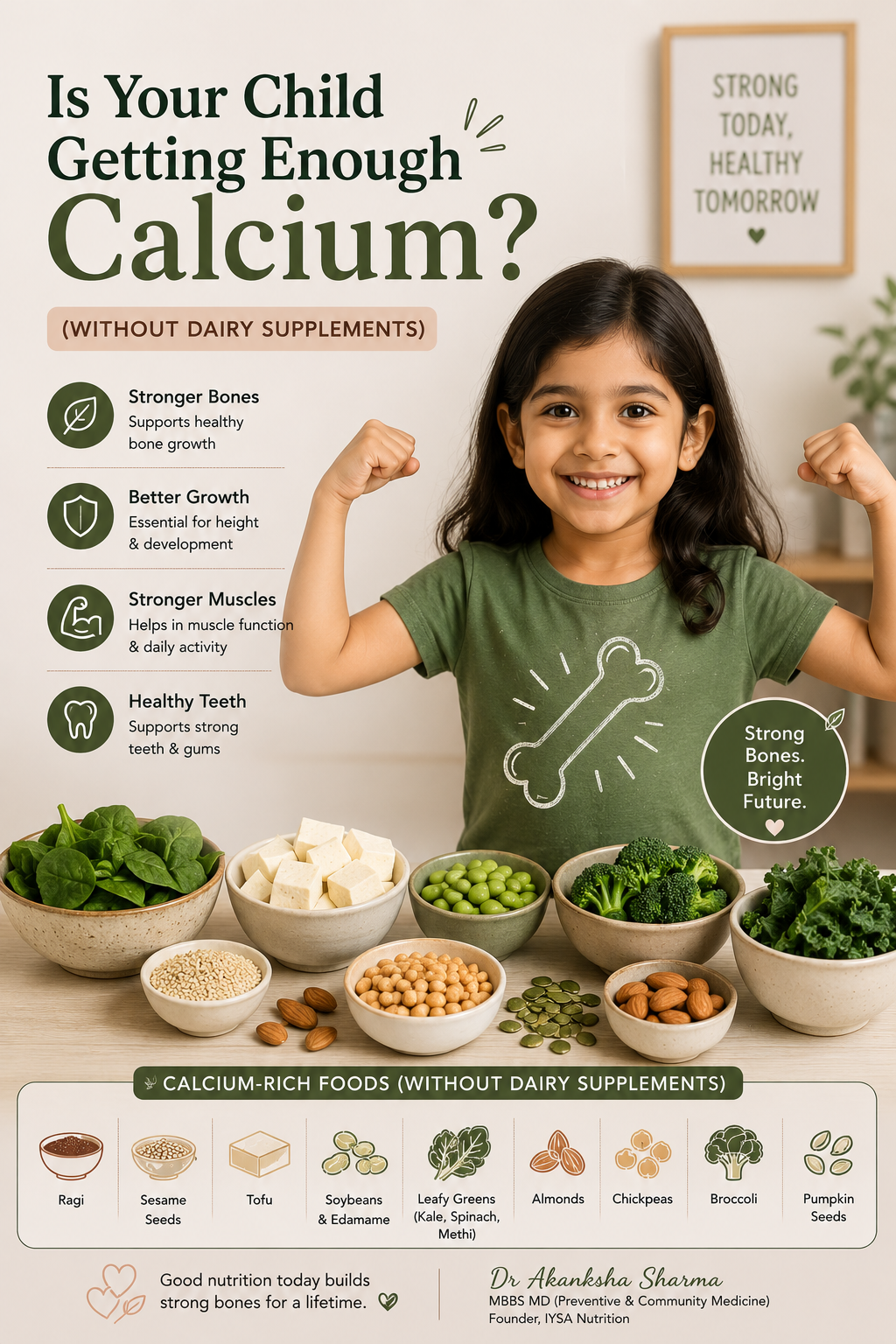
“My child doesn’t drink milk. Should I give them a calcium supplement?” is one of the questions I hear most frequently from Indian parents in Singapore and in India. And the answer, in most cases, is not what parents expect: probably not, if you know which foods to use instead.
Calcium is the most abundant mineral in the human body. Approximately 99% of it is stored in the bones and teeth, where it provides structural strength and acts as a reservoir that the body draws from when dietary intake is insufficient. The remaining 1% circulates in the blood and soft tissues, where it plays critical roles in nerve transmission, muscle contraction (including the heart muscle), blood clotting, and cell signalling.
During childhood and adolescence, adequate calcium intake is the single most important nutritional factor for building peak bone mass — the maximum amount of bone density a person achieves, typically in their mid-20s. The bone density built during these years determines osteoporosis risk in adulthood. This is not a distant concern, it is a lifelong investment being made right now, every day, through your child’s diet.
But here is what most parents do not know: Indian food culture has extraordinarily rich non-dairy calcium sources that most families are already using, without realising their calcium value. Ragi, til, moringa, rajma, and dark leafy greens are among the most calcium-dense foods available in any cuisine in the world. The problem is not a shortage of calcium-rich foods in Indian cooking, it is a lack of awareness about which everyday foods deliver this mineral.
📌How to Know If Your Child Is Getting Enough Protein!
📌Why Zinc Deficiency is common in Indian Kids (And How to Fix It)
📌Hidden Sugar in Indian Kids’ Snacks (And Healthier Swaps)
📌Vitamin D in Indian Children in Singapore: Why Sunlight Is Not Enough
How Much Calcium Does Your Child Need? Age-by-Age Requirements
Calcium requirements change substantially as children grow, with the highest demands occurring during the adolescent growth spurt. The following figures are from ICMR-NIN 2020:
| Age Group | Calcium Requirement (mg/day) | Equivalent in Cups of Milk |
|---|---|---|
| 0–6 months (breastfed) | ~300 mg (from breast milk) | Breast milk provides all the needs |
| 6–12 months | 400–500 mg | ~1.5 cups — from milk + complementary foods |
| 1–3 years (toddlers) | 600 mg | ~2 cups of milk |
| 4–6 years | 600 mg | ~2 cups of milk |
| 7–9 years | 700 mg | ~2–2.5 cups of milk |
| 10–12 years | 800 mg | ~2.5–3 cups of milk |
| 13–15 years | 800–1000 mg | ~3 cups of milk |
| 16–18 years | 800 mg | ~2.5–3 cups of milk |
Two important points from this table:
- Adolescence, particularly the 10–15 age range, has the highest calcium requirements of the entire lifespan. This is when bone density is being built at the fastest rate. A teenager who consistently under-eats calcium during these years enters adulthood with significantly lower peak bone mass, a deficit that is very difficult to recover later.
- These requirements are achievable without dairy, but it requires knowing which foods to use and including them consistently.
📌How to Pack A Nutritious and Fun Lunch Box for Your Kids
📌5 High-Protein & Delicious Snacks for Kids’ Lunch
Why Is Calcium So Important Beyond Just Bones?
While bone building is the headline function, calcium plays several other roles in child health that are worth understanding:
Muscle Function and Growth
Calcium triggers muscle contraction, including heart muscle contraction. Children who are chronically calcium-deficient may experience muscle cramps, leg pains (sometimes misattributed to “growing pains”), and reduced physical stamina.
Nerve Transmission
Calcium is required for the release of neurotransmitters at nerve-muscle junctions and plays a role in nerve signal transmission throughout the brain and body. Calcium deficiency has been associated with irritability, anxiety, and sleep disturbances in children.
Blood Clotting
Calcium is an essential cofactor in the blood clotting cascade. Children with very low calcium levels take longer to stop bleeding from minor cuts.
Dental Health
Teeth are approximately 70% calcium (as hydroxyapatite crystals). Adequate calcium during the years when permanent teeth are forming, roughly ages 6–12, is critical for dental enamel strength and lifelong oral health.
Blood Pressure Regulation
Emerging evidence links low calcium intake in childhood with higher blood pressure in adolescence and adulthood. This is particularly relevant for South Asian populations, which have an elevated risk of early-onset hypertension.
Worried your child is eating “too little” or too selectively?
👉 Book a child nutrition consult (FREE) (Singapore-friendly, practical, doable meal plans).
Non-Dairy Calcium Sources in Indian Food: The Complete Guide
1. Ragi (Finger Millet) — The Indian Calcium Champion
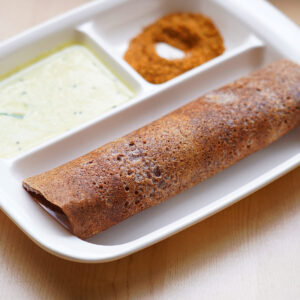
Ragi contains approximately 344 mg of calcium per 100g — more calcium by weight than milk (which provides approximately 120 mg per 100ml). It is one of the most calcium-dense foods in the world and has been a staple of South Indian and Karnataka cuisine for centuries. Ragi is also rich in iron, fibre, essential amino acids, and B vitamins.
For children who do not drink milk, ragi should be a daily staple, not an occasional food. The calcium in ragi is well-absorbed and does not require the special absorption cofactors (like vitamin D and lactase) that milk calcium requires.
Practical ways to include ragi for children:
- Ragi porridge (ragi satva or ragi kanji): The classic South Indian baby and toddler food. Cook 2–3 tablespoons of ragi flour in water or milk, sweeten with a little jaggery, and add a few drops of ghee. A single serving provides 80–100 mg of calcium.
- Ragi dosa or ragi idli: Mix ragi flour into standard dosa/idli batter for a calcium-enriched version that looks and tastes familiar to children
- Ragi roti: Mix ragi flour into wheat atta in a 1:3 ratio for softer rotis that children accept more readily than 100% ragi rotis
- Ragi laddoos: A traditional preparation with jaggery, ghee, and sometimes coconut, an excellent calcium-dense sweet that children love
- Ragi cookies and biscuits: Ragi flour substituted for a portion of the wheat flour in homemade cookies makes a calcium-boosted snack
- Ragi malt: A powdered preparation mixed into warm milk or water; available from brands like Horlicks Ragi (though check added sugar content) or made at home by dry-roasting ragi flour
2. Til (Sesame Seeds) — The Most Calcium-Dense Food on This List
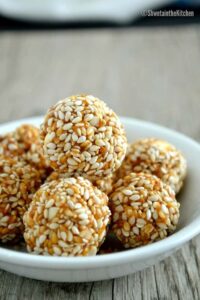
White sesame seeds contain approximately 975 mg of calcium per 100g, almost 10 times more calcium per gram than milk. Even accounting for the fact that sesame seeds are eaten in smaller quantities, even a tablespoon of sesame seeds (9g) provides approximately 88 mg of calcium. They are also rich in zinc, iron, magnesium, and healthy fats.
Sesame seeds are deeply embedded in Indian food culture, in chutney, til laddoos (a traditional winter sweet made with til and jaggery), chikki, and as a coating or garnish. This is calcium hiding in plain sight in the Indian kitchen.
Practical ways to include til for children:
- Til laddoos with jaggery — a traditional sweet that children enjoy; two laddoos provide approximately 150–200 mg of calcium
- Til chutney — served alongside idli, dosa, or roti
- Sprinkle toasted sesame seeds over khichdi, rice, or sabzi
- Til chikki — sesame and jaggery brittle; an excellent lunchbox snack
- Add to homemade energy balls with dates, nuts, and coconut
3. Moringa Leaves (Drumstick Leaves / Sahjan ki Patti)
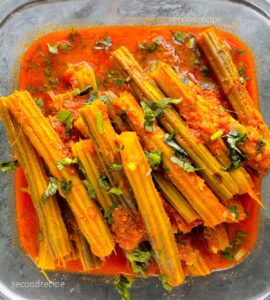
Moringa leaves contain approximately 440 mg of calcium per 100g, among the highest of any leafy green. Moringa is also extraordinarily rich in iron, Vitamin C (which enhances iron absorption), protein, and Vitamin A. It is one of the most nutritionally dense foods available in Indian cooking and is particularly widely used in South Indian, Rajasthani, and Maharashtrian cuisine.
Moringa powder (readily available in health stores in Singapore and online in India) makes it easy to add moringa to a child’s diet without the child noticing.
Practical ways to include moringa for children:
- Fresh moringa leaves cooked into dal or sambar, a classic South Indian preparation
- Moringa paratha, fresh or dried moringa leaves in the paratha filling or dough
- Half a teaspoon of moringa powder stirred into dahi, dal, or a smoothie, virtually tasteless at small doses
- Moringa sabzi, leaves cooked with onion, garlic, and mild spices
4. Rajma (Kidney Beans) and Chana (Chickpeas)
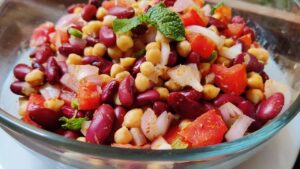
Rajma provides approximately 143 mg of calcium per 100g cooked, and chana provides approximately 105 mg per 100g cooked. Beyond calcium, they deliver significant protein, iron, zinc, and fibre. Rajma chawal is already a beloved weekly meal in many North Indian households and it is delivering meaningful calcium alongside protein and iron.
The bioavailability of calcium from legumes is moderate; phytates in legumes partially bind calcium and reduce absorption. Soaking legumes for 8–12 hours before cooking and discarding the soaking water reduces phytate content by 30–50% and improves calcium (and iron and zinc) absorption. Sprouting legumes before cooking reduces phytates even further.
5. Dark Leafy Greens
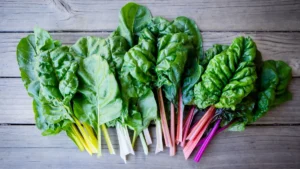
- Palak (spinach): Approximately 99 mg of calcium per 100g cooked. Note: spinach contains oxalates that partially inhibit calcium absorption; the absorbable calcium from spinach is lower than from other sources. It is still a valuable calcium contributor, but should not be relied upon as the primary non-dairy calcium source.
- Methi (fenugreek leaves): Approximately 395 mg per 100g, much higher than spinach and with lower oxalate content. Methi is one of the best leafy vegetable calcium sources in Indian cooking.
- Amaranth leaves (rajgira / chaulai saag): Approximately 395 mg per 100g, an underused calcium-rich green that makes excellent saag or sabzi
- Curry leaves (kadi patta): Used in small quantities but surprisingly high in calcium, approximately 830 mg per 100g. Even the small quantities used in tadka contribute meaningfully over a day of Indian cooking.
6. Almonds (Badam)
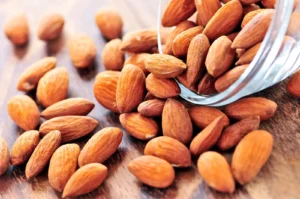
Almonds provide approximately 264 mg of calcium per 100g. A small handful of soaked almonds (10 almonds, approximately 12g) provides approximately 30 mg of calcium, modest but consistent as a daily snack. Soaking removes phytates from the skin and improves mineral absorption. Almond milk, when commercially fortified, can be a useful calcium source for dairy-avoiding children.
7. Tofu (Calcium-Set)
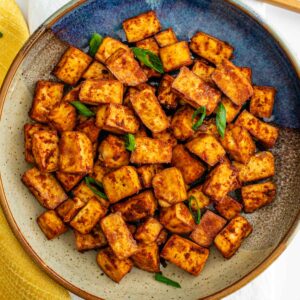
Tofu set with calcium sulphate or calcium chloride (check the label, this is the most common commercial tofu) is an excellent calcium source: approximately 350–500 mg per 100g, depending on firmness and brand. Firm tofu has higher calcium than silken tofu. Tofu is widely available in Singapore and increasingly in Indian cities.
Tofu at these calcium levels is comparable to dairy, and is an excellent choice for dairy-avoiding or vegan children. It is also a complete protein source. The challenge is palatability for children accustomed to Indian food. Marinating and preparing tofu in Indian spice preparations (tofu bhurji instead of paneer bhurji, tofu in curry) makes it much more acceptable.
8. Fortified Plant Milks (For Dairy-Avoiding Children)
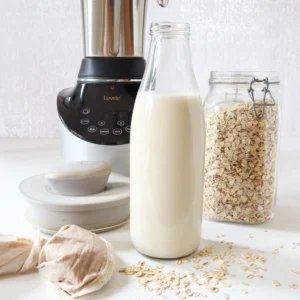
For children who cannot or will not consume cow’s milk, calcium-fortified plant milks, oat milk, soy milk, and almond milk are available in Singapore at all major supermarkets. Choose varieties fortified with at least 120 mg of calcium per 100ml (equivalent to cow’s milk) and check that they are also fortified with Vitamin D and Vitamin B12. Shake the carton well before serving as calcium settles at the bottom.
📌Children Are Not Mini Adults: Stop “Healthy” Food Trends From Harming Your Child
📌Screen Time and Sleep: How Your Child’s Diet Affects Both
Vitamin D: The Calcium Absorption Cofactor
Calcium cannot be absorbed from the gut without adequate Vitamin D. This is the partnership that is often overlooked: a child can eat calcium-rich foods all day, but if they are Vitamin D deficient, a significant proportion of that calcium will not be absorbed.
Vitamin D deficiency is endemic among Indian children in Singapore. Despite the equatorial location, indoor schooling, screen time, and sun avoidance mean most children are not synthesising adequate Vitamin D from sunlight. Multiple studies in Singapore and India have found high rates of Vitamin D insufficiency (below 50 nmol/L) in school-age children.
Practical Vitamin D strategies for children:
- 15–30 minutes of outdoor activity during non-peak sun hours (before 10 am or after 4 pm in Singapore) at least 4–5 days per week
- Dietary sources: eggs (yolk), fatty fish, Vitamin D-fortified milk and cereals
- For children with confirmed Vitamin D deficiency: supplementation under paediatric guidance (typically 400–1000 IU/day depending on age and serum level)
Does My Child Need a Calcium Supplement?
The honest clinical answer for most children: no, if their diet regularly includes ragi, sesame, dairy or fortified plant milk, legumes, and dark leafy greens. Supplementation is a shortcut that bypasses the more important work of building sustainable food habits.
Situations where calcium supplementation may be clinically appropriate:
- Confirmed low bone density on DEXA scan
- Medically documented dairy protein allergy with inadequate non-dairy calcium intake
- Strict vegan children not consuming fortified foods or adequate plant-based calcium sources
- Children with malabsorption conditions (coeliac disease, IBD, short bowel syndrome)
- Children on long-term corticosteroids (which increase calcium excretion)
- During the adolescent growth spurt, if the dietary assessment clearly shows consistent under-intake
If supplementation is indicated, calcium carbonate is the most cost-effective form but requires stomach acid for absorption, given with food. Calcium citrate is better absorbed and can be taken with or without food. Never supplement beyond 500 mg per dose; the body absorbs calcium less efficiently at higher single doses. Split doses across the day.
Avoid over-supplementing: Excess calcium supplementation in children, particularly above 2500 mg/day, can cause constipation, kidney stones (in susceptible children), and impaired absorption of iron and zinc. More is not better.
Read ‘The First Food of Your Baby: A Doctor’s Guide‘ to know when to introduce which food item!
📌Picky Eating Solutions: A Doctor-Backed Nutrition Guide
📌Is Ghee for Children Good? An Evidence-Based Answer
A Dairy-Free Day of Calcium-Rich Eating for a School-Age Child
This sample day shows how a child who does not drink cow’s milk can easily meet calcium requirements through Indian food alone:
- Breakfast: Ragi dosa (2 tablespoons ragi flour dosa, cooked with a teaspoon of ghee) — approximately 90 mg calcium. A glass of calcium-fortified oat or soy milk, alongside approximately 240 mg of calcium. Subtotal: ~330 mg
- Mid-morning snack: Til chikki (one piece, approximately 20g) — approximately 195 mg calcium. Subtotal: ~195 mg
- Lunch: Rajma chawal (half cup rajma + half cup brown rice) + methi sabzi (half cup) — approximately 80 + 200 mg calcium. Subtotal: ~280 mg
- Afternoon: 10 soaked almonds — approximately 30 mg calcium
- Dinner: Ragi roti (1 roti made with 50% ragi flour) + moringa dal (with fresh drumstick leaves) — approximately 80 + 150 mg calcium. Subtotal: ~230 mg
- Total: approximately 865 mg — meeting the calcium requirement for a 7–9 year old without a single glass of cow’s milk
Frequently Asked Questions
My child refuses milk. Should I force them?
No, forcing food creates negative associations and feeding battles that are counterproductive long-term. Focus instead on providing calcium through other foods. If your child accepts dahi, paneer, or buttermilk, these provide comparable calcium to milk. If all dairy is refused, use the non-dairy sources in this guide consistently. Hidden dairy (in smoothies, dahi-based dips, paneer in sabzi) is often more effective than a plain glass of milk.
Is ragi suitable for babies?
Yes, ragi is one of the best first complementary foods for Indian babies from six months. It is easily digestible when well-cooked, nutritionally dense (iron, calcium, amino acids), and has a long history of safe use as an infant food in South India. Ragi porridge is a traditional weaning food that provides excellent early nutrition. Introduce as a smooth porridge and gradually increase thickness as the baby’s feeding skills develop.
Does spinach (palak) count as a good calcium source for children?
Spinach contains calcium, but its high oxalate content significantly reduces calcium bioavailability; the calcium in spinach is among the least absorbable of all plant sources. This does not mean spinach should be avoided; it provides iron, folate, and many other nutrients. But it should not be relied upon as a primary calcium source. Ragi, til, moringa, methi, and fortified foods are far more calcium-reliable than spinach.
Can my lactose-intolerant child get enough calcium?
Yes, absolutely. Lactose intolerance affects the ability to digest the sugar in milk, not the calcium in it. Many lactose-intolerant children can tolerate fermented dairy products, such as dahi and paneer, which have significantly lower lactose content than milk because the fermentation process breaks lactose down. Hard cheeses are also low in lactose. For children who cannot tolerate any dairy, the non-dairy sources in this guide provide ample calcium. Lactase enzyme drops can also be added to cow’s milk to pre-digest the lactose, enabling consumption without symptoms.
How do I know if my child has low calcium or low bone density?
Routine calcium or bone density screening is not standard in healthy Indian children. However, consult your paediatrician if your child has: frequent bone fractures from minor injuries, persistent bone pain or tenderness, muscle cramps, tetany (involuntary muscle spasms), or confirmed chronic under-intake of calcium over a prolonged period. A simple serum calcium and Vitamin D blood test is a reasonable starting point. DEXA scanning for bone density is typically reserved for children with specific risk factors or established deficiency conditions.
The Bottom Line
Indian food is remarkably rich in non-dairy calcium sources. Ragi, til, moringa, methi, rajma, chana, curry leaves, and amaranth — these are not exotic health foods. They are everyday ingredients in Indian kitchens that have been providing calcium to generations of Indian children long before calcium supplements were invented.
The child who eats ragi porridge for breakfast, dal with drumstick leaves for lunch, and til laddoo as a snack is meeting their calcium needs through food, and doing it in a way that also provides iron, protein, fibre, zinc, and a dozen other nutrients that no supplement can replicate.
The goal is not to find a supplement that fixes inadequate food variety. The goal is to build a food pattern rich enough that supplements become unnecessary. For calcium in Indian children, that is very achievable, and your traditional kitchen already has most of the answers.
💛 Want structured guidance? 📩 Click here to book a FREE consultation with Dr Akanksha Sharma
👉 Explore my programs:
-
Little Legends: The Doctor-Designed Growth & Strength Plan for Kids (ideal for malnourished kids and picky-eaters)
- Teen Fuel: Doctor-Guided Nutrition & Routine Reset for Teenagers (Ages 12–19)
🔗 You May Also Find These Readings Helpful:
- [How to Know If Your Child Is Getting Enough Protein!]
- [Screen-Free Meals: How Ditching Distractions Can Help Your Child Overcome Fussy Eating]
Disclaimer: This article is for educational purposes only. Please consult your paediatrician before starting any supplement for your child.
References:
- ICMR-NIN Expert Group. Recommended Dietary Allowances and Estimated Average Requirements for Indians. 2020. nin.res.in
- Weaver CM et al. Calcium absorption from foods. J Nutr. 1999;129(7):1395S-1397S. PubMed
- Cormick G, Belizán JM. Calcium intake and health. Nutrients. 2019;11(7):1606. PMC
- Indian Academy of Pediatrics. Calcium and Vitamin D in Indian children. Indian Pediatr. 2017. indianpediatrics.net

Akanksha Sharma
Dr Akanksha Sharma (MBBS, MD) is a physician and women’s health nutrition specialist, and the founder of IYSA Nutrition. She provides evidence-based, doctor-led nutrition guidance for pregnancy, postpartum recovery, PCOS, child nutrition, and family health, helping women make calm, informed decisions about their health and their children’s well-being.