
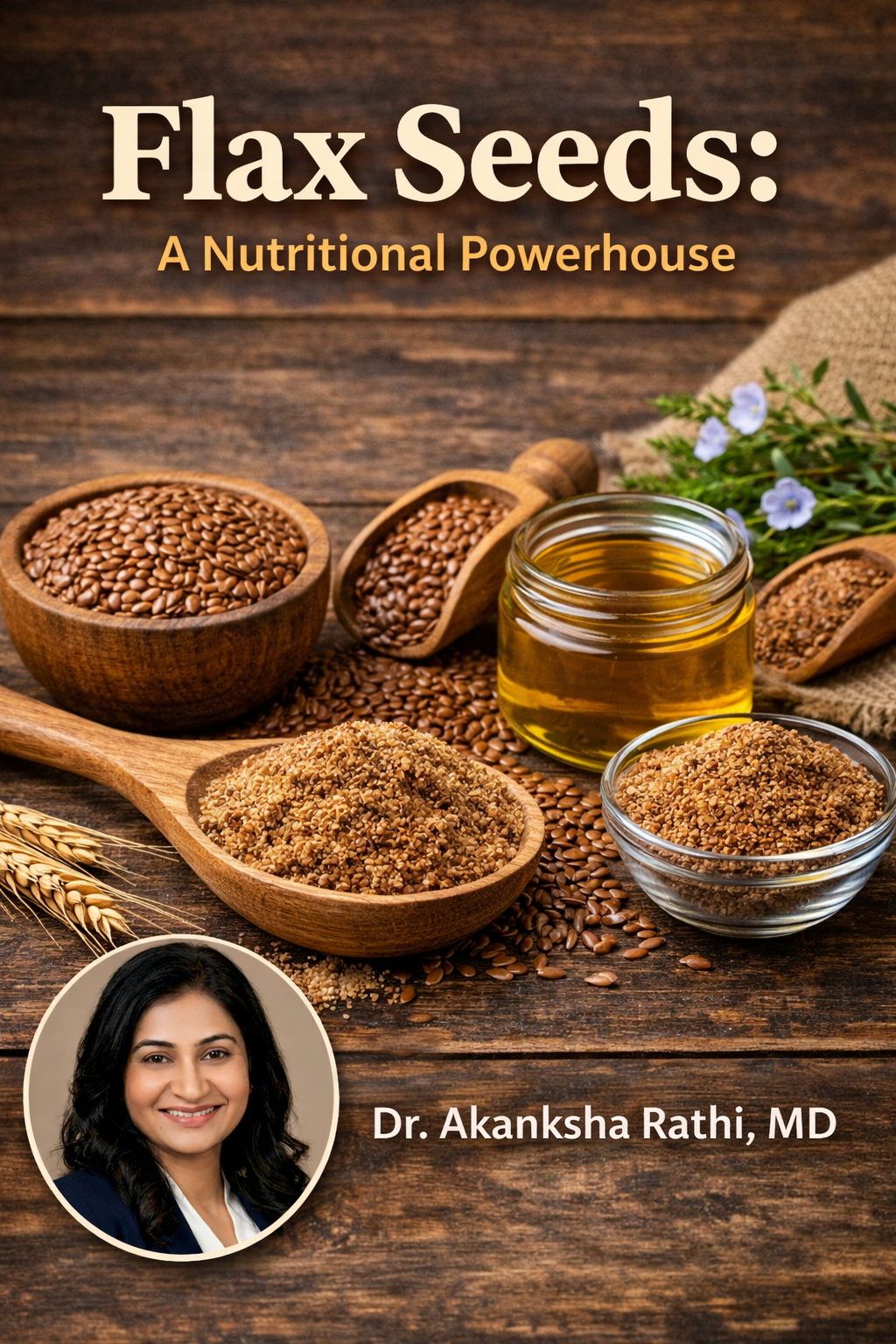
Flax seeds (Linum usitatissimum) are among the most nutrient-dense plant foods available. Tiny, nutty, and versatile, these seeds have been part of human diets for thousands of years and are now widely recognised as a functional food because of their unique combination of omega-3 fatty acids, lignans, and dietary fibre. Modern nutritional science increasingly supports what traditional diets already understood: small daily amounts of flax seeds can meaningfully improve diet quality and metabolic health.
In this article, we’ll explore why flax seeds are considered nutritional powerhouses, how to consume them correctly, what the evidence says about their health benefits, and how much is safe and effective.
(For another similar nutrient-dense seed, see our guide on chia seeds and how to consume them safely and effectively.)
What Are Flax Seeds & Why Are They Nutrient-Dense?
Flax seeds come from the plant Linum usitatissimum, a crop historically cultivated in the Middle East, Central Asia, and the Mediterranean. While the plant was originally grown for linen fibres, the seeds themselves became valued as a concentrated source of energy and nutrients.
Nutritionally, flax seeds are remarkable because they combine three key bioactive components rarely found together in a single food:
-
Alpha-linolenic acid (ALA) – a plant-based omega-3 fatty acid
-
Lignans – phytoestrogen compounds with antioxidant activity
-
Soluble and insoluble fibre
Researchers often classify flax seeds as a functional food because these components influence physiological processes such as lipid metabolism, inflammation, and gut health.
Per 100 grams, flax seeds contain roughly:
| Nutrient | Amount |
|---|---|
| Calories | ~530 kcal |
| Protein | ~20 g |
| Fat | ~37–41 g |
| Fiber | ~28 g |
| Carbohydrates | ~29 g |
Flax seeds are also rich in magnesium, phosphorus, iron, potassium, and B-vitamins, making them one of the most nutrient-dense seeds available.
What makes them particularly interesting from a metabolic perspective is their extremely high ALA omega-3 content, one of the highest among plant foods.
How Much Flaxseed to Eat: Portion & Preparation
Like many nutrient-dense foods, flax seeds are beneficial in moderate amounts rather than large quantities.
Recommended Daily Intake
Most nutrition authorities and clinical studies suggest:
1–2 tablespoons (10–20 g) of ground flaxseed daily
This amount provides:
-
~2–4 g protein
-
~3–5 g fiber
-
~1.5–3 g omega-3 (ALA)
-
~70–100 kcal
Clinical research suggests even higher amounts up to 50 g per day can be safe in humans, though such quantities are not typically necessary for everyday nutrition.
The key principle is consistency rather than quantity—regular small servings appear sufficient to deliver metabolic benefits.
👉Turmeric and Inflammation: What the Science Actually Says
Whole vs Ground Flax Seeds: Which Is Better?
One important aspect of flaxseed consumption is bioavailability.
Whole flax seeds have a hard outer shell that can pass through the digestive tract without being fully broken down. Grinding the seeds helps release their oils and nutrients.
Best practice
-
Ground flaxseed (flax meal) provides better nutrient absorption.
-
Whole seeds can still provide fiber benefits, but may deliver fewer omega-3 fats.
Because flax oil oxidises quickly, it is best to grind seeds fresh or store ground flaxseed in the refrigerator.
Many nutrition experts therefore recommend 1–2 tablespoons of freshly ground flaxseed per day rather than whole seeds.
Best Ways to Consume Flax Seeds
Flax seeds are versatile and can easily be incorporated into everyday meals.
Simple ways to add flaxseed to meals
-
Sprinkle ground flaxseed over oatmeal or yogurt
-
Blend into smoothies
-
Add to roti or pancake batter
-
Mix into granola or breakfast cereals
-
Stir into soups or salads
One particularly popular method is the “flax egg”, used in plant-based baking.
Flax Egg Recipe
1 tablespoon ground flaxseed + 2.5 tablespoons water
Let sit for 5–10 minutes until gel-like.
This mixture mimics the binding properties of eggs and works well in baked goods.
Flax seeds can also form a mucilage gel when mixed with water, which helps improve digestive tolerance and hydration.
Nutritional Highlights of Flax Seeds
Several components make flax seeds nutritionally unique.
1. Omega-3 Fatty Acids (ALA)
Flax seeds are among the richest plant sources of alpha-linolenic acid, an essential omega-3 fatty acid involved in cardiovascular and inflammatory pathways.
Each tablespoon of ground flaxseed contains roughly 1.8 g of ALA, contributing significantly to daily omega-3 intake.
2. Dietary Fibre
Flax seeds contain both:
-
Soluble fibre – supports gut bacteria and cholesterol metabolism
-
Insoluble fibre – promotes bowel regularity
This fibre can slow digestion, reduce glucose spikes, and increase satiety.
3. Lignans
Flax seeds contain secoisolariciresinol diglucoside (SDG), a lignan converted by gut bacteria into biologically active compounds. These molecules have antioxidant and phytoestrogen properties that may influence metabolic and hormonal health.
Health Benefits of Flax Seeds
Heart and Cholesterol Health
Cardiovascular health is one of the most extensively studied benefits of flaxseed.
A systematic review and meta-analysis found that flaxseed supplementation improved total cholesterol, triglycerides, and LDL cholesterol levels, potentially slowing the progression of cardiovascular disease.
Human trials also suggest flaxseed consumption may:
-
Reduce LDL cholesterol
-
Lower inflammation markers
-
Improve lipid metabolism
These effects are likely due to a combination of fibre, lignans, and omega-3 fatty acids.
Blood Sugar and Metabolic Health
Flax seeds may also support glucose control.
Clinical studies suggest flaxseed consumption can reduce post-meal blood sugar spikes and improve markers of metabolic health.
A recent clinical trial found that 16 g of flaxseed daily improved glucose and lipid metabolism in people with type 2 diabetes, highlighting its potential role as a dietary adjunct in metabolic conditions.
The benefits are likely linked to flaxseed’s high soluble fibre content, which slows carbohydrate absorption.
Gut and Digestive Health
Flax seeds are particularly valuable for digestive health.
Their fibre and mucilage form a gel in the intestine that can:
-
Improve stool consistency
-
Reduce constipation
-
Feed beneficial gut bacteria
Fermentation of flaxseed fibre by gut microbes produces short-chain fatty acids, compounds known to support colon health and reduce inflammation.
This makes flaxseed a useful addition to diets low in fibre.
Hormonal and Antioxidant Effects
Flax seeds contain the highest concentration of lignans among commonly consumed foods.
Lignans act as phytoestrogens, plant compounds with weak estrogen-like activity that may influence hormone metabolism.
Researchers have investigated their role in:
The evidence remains mixed but promising, with several studies suggesting protective antioxidant effects.
Weight Management and Satiety
Flax seeds can support weight management primarily through fibre-driven satiety.
The soluble fibre expands in the digestive tract, slowing gastric emptying and helping people feel full for longer periods.
Some studies suggest that diets incorporating flaxseed may contribute to modest weight reduction, especially when used regularly for more than 12 weeks.
However, flax seeds are best viewed as a supportive food rather than a weight-loss solution on their own.
👉 Struggling with weight or energy despite “doing everything right”?
A structured, hormone-aware approach can make the difference. Click here to book a FREE 20-minute consultation call.
Safety Tips & Common Mistakes
Despite their benefits, flax seeds should be consumed thoughtfully.
1. Avoid Eating Large Quantities Suddenly
Flax seeds are extremely high in fibre. Increasing intake too quickly can cause bloating or digestive discomfort.
2. Prefer Ground Seeds
Whole seeds may pass through digestion without releasing nutrients.
3. Store Properly
Ground flaxseed can oxidise quickly. Store it in an airtight container in the refrigerator.
4. Hydrate Adequately
Fibre-rich foods require adequate fluid intake.
5. Medication Interactions
Individuals taking medications for:
-
Blood pressure
-
Diabetes
-
Blood thinning
should consult a healthcare professional before consuming large amounts regularly.
Summary Table
| Topic | Detail |
|---|---|
| Serving size | 1–2 tbsp (10–20 g) daily |
| Preparation | Prefer ground flaxseed |
| Key nutrients | Omega-3 (ALA), fibre, lignans |
| Key benefits | Heart health, gut health, metabolic support |
| Best uses | Smoothies, oats, yoghurt, and baking |
| Safety tips | Start small, hydrate, store properly |
Conclusion
Flax seeds are a classic example of how small foods can deliver significant nutritional value. Packed with omega-3 fatty acids, lignans, and fibre, they provide benefits that span cardiovascular health, digestive function, and metabolic regulation. The most effective approach is simple: incorporate one to two tablespoons of freshly ground flaxseed daily into familiar foods like oatmeal, yoghurt, smoothies, or baked dishes.
In an era where many people search for exotic “superfoods,” flax seeds remain a humble yet powerful dietary addition—affordable, accessible, and backed by growing scientific research.
For those interested in other nutrient-dense foods, similar articles can be explored on chia seeds, pumpkin seeds, walnuts, and hemp seeds, each offering unique health benefits within a balanced diet.
📩 Click here to book a FREE consultation with Dr Akanksha Sharma — personalised metabolic nutrition consultations for women and kids in Singapore and India.
FAQs
1. Is it better to eat flax seeds whole or ground?
Ground flax seeds are generally better absorbed because the digestive system cannot fully break down the outer shell of whole seeds. Grinding releases omega-3 fats and lignans.
2. How much flaxseed should I eat daily?
Most experts recommend 1–2 tablespoons per day, which provides fibre, omega-3 fats, and beneficial plant compounds without excessive calorie intake.
3. Can flax seeds help lower cholesterol?
Several studies suggest flaxseed consumption may reduce LDL cholesterol and improve lipid profiles, particularly when consumed regularly as part of a balanced diet.
4. Are flax seeds safe during pregnancy?
Small amounts used as food are generally considered safe, but pregnant individuals should consult a healthcare professional before using flaxseed supplements due to their phytoestrogen content.
5. What is the best time to eat flax seeds?
Flax seeds can be consumed at any time of the day. Many people prefer adding them to breakfast foods like oats or smoothies, which helps increase fibre intake early in the day.
🔗 You May Also Find These Readings Helpful:
-
[Fermented Foods: The Secret to Better Gut Health, Immunity, and Overall Wellness]
- [Milk for Adults: Benefits, Concerns, A1-A2 Confusion & Alternatives]

Akanksha Sharma
Dr Akanksha Sharma (MBBS, MD) is a physician and women’s health nutrition specialist, and the founder of IYSA Nutrition. She provides evidence-based, doctor-led nutrition guidance for pregnancy, postpartum recovery, PCOS, child nutrition, and family health, helping women make calm, informed decisions about their health and their children’s well-being.