[Written & reviewed by Dr Akanksha Sharma, MBBS MD (Preventive & Community Medicine)], Updated on [Dec, 2025]
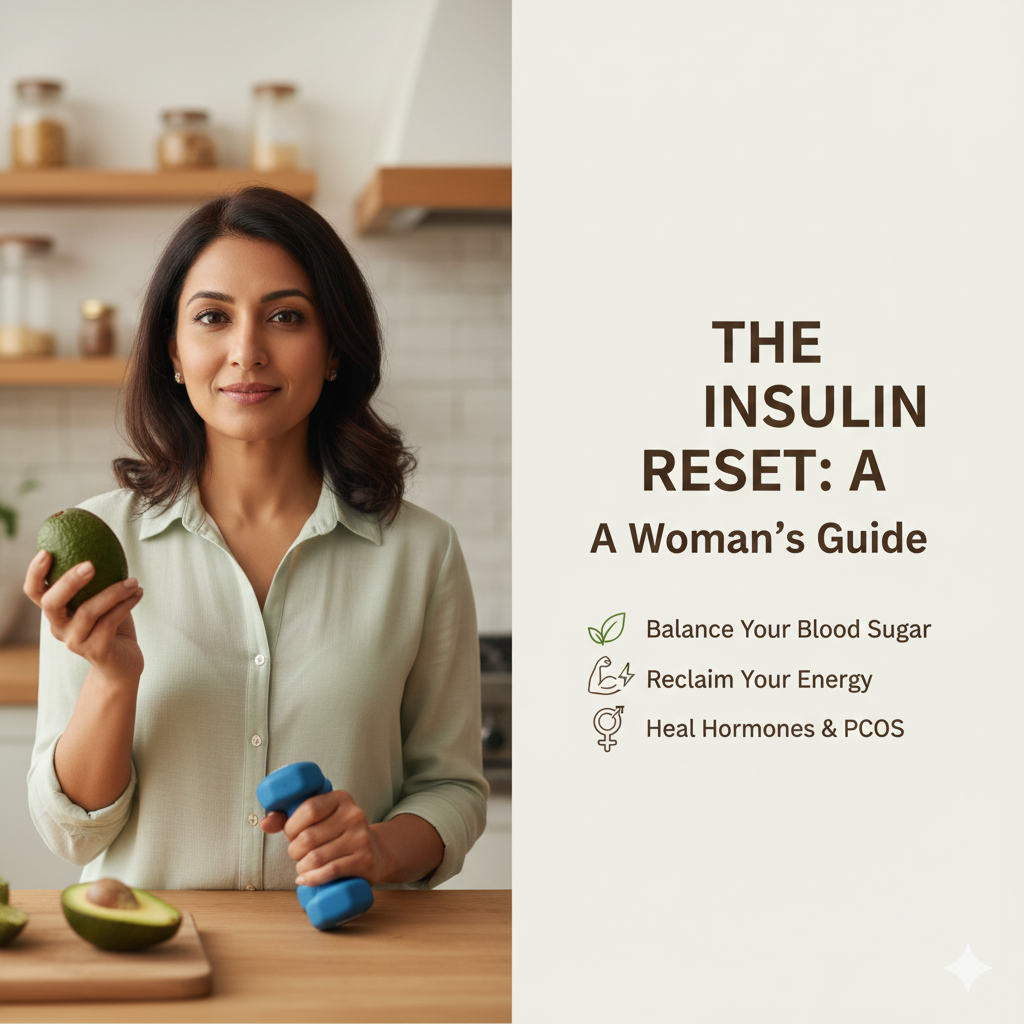
A Doctor’s Guide to Insulin Resistance in Women — Why Weight, Energy & Hormones Feel Out of Sync
Introduction: “I Eat Well, I Exercise… So Why Isn’t It Working?”
Many women do everything right—balanced meals, workouts, discipline—yet still struggle with:
-
Stubborn belly fat
-
Constant cravings
-
Fatigue and brain fog
-
Irregular cycles or worsening PMS
-
Rising sugars or cholesterol “out of nowhere”
Often, the missing piece is insulin resistance—a metabolic condition that behaves differently in women than in men and is tightly linked to hormones, stress, and life stages.
This guide explains insulin resistance clearly, without blame, and shows what actually helps.
Related reading:
👉Fitness After 40: Why It Feels Different (And What To Do)
What Is Insulin Resistance (IR)?
Insulin is the hormone that helps glucose move from blood into cells for energy.
Insulin resistance occurs when cells respond poorly to insulin, so the body compensates by producing more insulin.
Over time, this leads to:
-
Higher insulin levels (even with “normal” glucose)
-
Fat storage—especially centrally
-
Energy crashes and cravings
-
Hormonal disruption
👉 You can have insulin resistance years before diabetes appears.
Why Insulin Resistance Looks Different in Women
In women, insulin interacts closely with:
-
Ovarian hormones (estrogen, progesterone)
-
Stress hormones (cortisol)
-
Thyroid function
-
Life stages (PCOS, pregnancy, postpartum, perimenopause)
This is why IR often presents as:
-
Weight gain without overeating
-
Cycle irregularity or PCOS symptoms
-
Mood changes and sleep disruption
-
“Normal labs” with persistent symptoms
Related reading:
👉The Insulin Resistance Trap in PCOS: How to Break Free Naturally
👉Diabetes in Singapore Women: Early Signs You Shouldn’t Ignore
Common Symptoms Women Report
Metabolic
-
Central/abdominal fat gain
-
Difficulty losing weight
-
Post-meal sleepiness
-
Sugar or carb cravings
Hormonal
-
Irregular cycles
-
Worsening PMS
-
Acne or hair changes
-
Fertility challenges
Neurological & Energy
-
Brain fog
-
Afternoon crashes
-
Irritability when hungry
Who Is at Higher Risk?
-
PCOS
-
Gestational diabetes history
-
Family history of diabetes
-
Sedentary lifestyle or chronic stress
-
Poor sleep
-
Perimenopause/menopause transition
-
Repeated dieting or extreme calorie restriction
Related reading:
👉Navigating Perimenopause: Signs, Symptoms, and Strategies
👉Perimenopause & Hormone Support Guide
Why “Normal Sugar” Tests Can Miss It
Many women are told:
“Your fasting glucose is normal.”
But insulin resistance often shows up before glucose rises.
Helpful markers include:
-
Fasting insulin
-
HOMA-IR
-
Triglycerides
-
Waist circumference
-
HbA1c trends (over time)
👉 IR is a pattern, not a single number.
What Actually Improves Insulin Sensitivity (Evidence-Based)
1) Eat for Blood Sugar Stability
-
Protein at every meal
-
Fibre-first meals
-
Low glycaemic load (not extreme low-carb)
-
Consistent meal timing
2) Strength Training (Non-Negotiable)
-
Builds insulin-sensitive muscle
-
Improves glucose disposal
-
More effective than cardio alone
3) Manage Stress & Sleep
-
Cortisol worsens insulin resistance
-
Poor sleep increases insulin needs
4) Address Micronutrients
-
Magnesium, vitamin D, B12 (when deficient)
5) Consider Medical Support When Needed
-
Metformin (selected cases)
-
Thyroid optimisation
-
PCOS-specific interventions
IR is not a willpower issue—it’s physiology.
Related reading:
👉Strength Training: Your Secret to a Healthier, Longer Life
👉Understanding the Body’s Mechanism to Maintain Weight
Common Mistakes That Backfire
-
Very low-calorie diets
-
Prolonged fasting without supervision
-
Excessive cardio with low protein
-
Cutting carbs without context
-
Ignoring sleep and stress
Related reading:
👉Weight Loss with Hormonal Balance: Why Extreme Diets Backfire
When to Seek Structured Support
Consider professional help if you have:
-
Persistent belly fat despite consistency
-
Rising sugars/lipids
-
PCOS or fertility concerns
-
Postpartum or perimenopausal weight gain
-
Fatigue and cravings that don’t improve
👉 Struggling with weight or energy despite “doing everything right”?
A structured, hormone-aware approach can make the difference. Click here to book a consultation call.
FAQs
Is insulin resistance reversible?
Often, yes—especially when identified early and addressed comprehensively.
Do I need to cut carbs completely?
No. Timing, quality, and quantity matter more than elimination.
Can thin women have insulin resistance?
Yes. IR can exist without obesity.
Does fasting fix insulin resistance?
It can help some people, but in women it may worsen stress hormones if not personalised.
Is IR the same as diabetes?
No—but untreated IR can progress to diabetes over time.
References
-
DeFronzo RA, Tripathy D. Skeletal muscle insulin resistance. Diabetes Care.
-
Shulman GI. Cellular mechanisms of insulin resistance. J Clin Invest.
-
El Khoudary SR et al. Metabolic changes during the menopausal transition. Diabetologia.
Insulin resistance doesn’t mean failure—it means your body needs a different strategy.
👉 Explore the FLOURISH Program (for women 35+)
👉 Explore the PCOD Hormone Harmony Program (for PCOS & reproductive years)
Doctor-led. Evidence-based. Sustainable.

Akanksha Sharma
Dr Akanksha Sharma (MBBS, MD) is a physician and women’s health nutrition specialist, and the founder of IYSA Nutrition. She provides evidence-based, doctor-led nutrition guidance for pregnancy, postpartum recovery, PCOS, child nutrition, and family health, helping women make calm, informed decisions about their health and their children’s well-being.