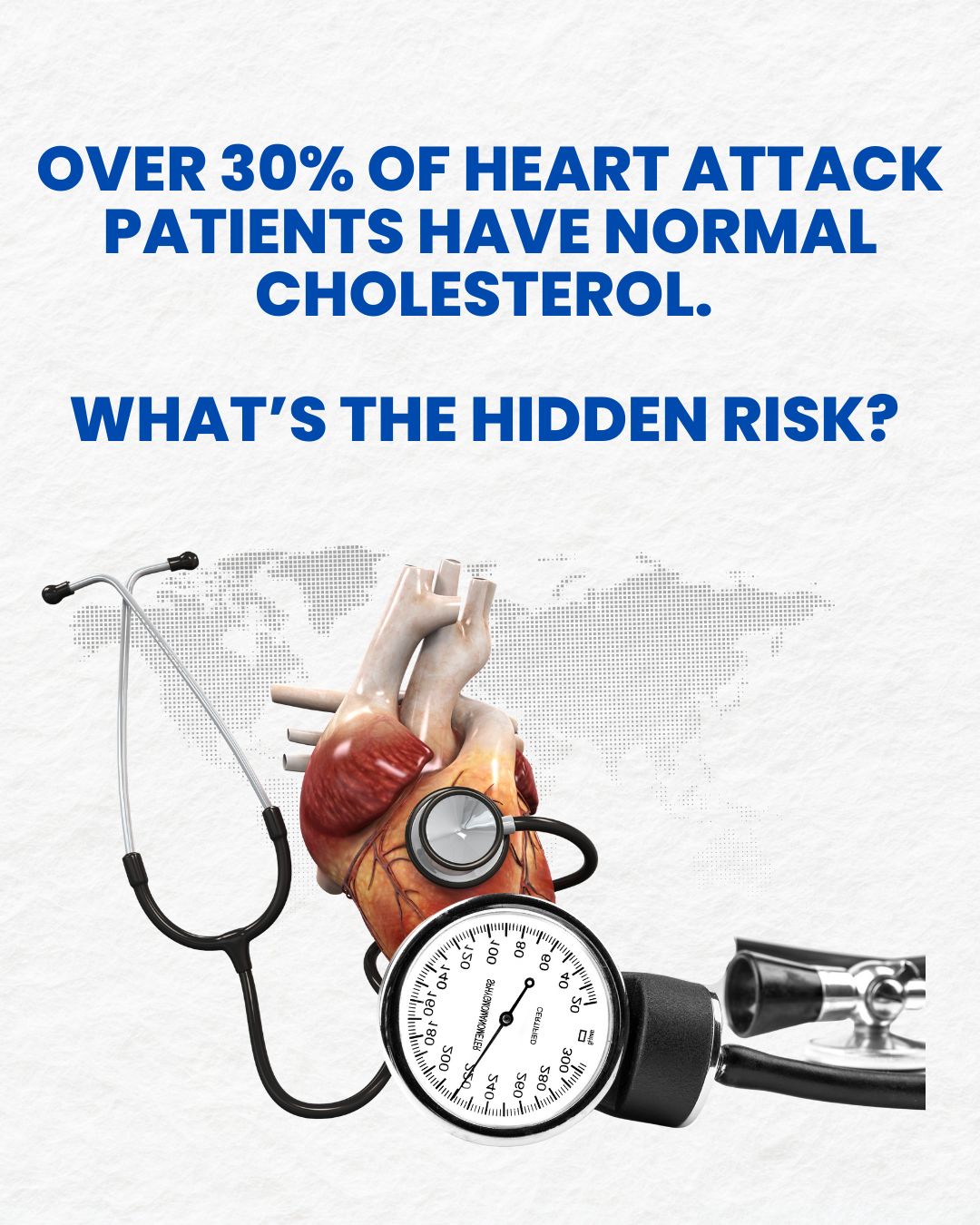
Many people feel reassured when their cholesterol test comes back normal ✅. But what if you were told that over 30% of people who suffer heart attacks have normal cholesterol levels? One of the most overlooked culprits behind this is homocysteine, an amino acid that could quietly be damaging your heart 💔.
In this blog, we dive into what homocysteine is, why it matters, who should get tested, how to bring it down naturally, and its role in brain health 🧠 and pregnancy 🤰.
🧬 What Is Homocysteine?
Homocysteine is a sulfur-containing amino acid — a byproduct of methionine metabolism, which comes from protein‑rich foods. Under normal conditions, the body recycles homocysteine into other compounds (like methionine or cysteine) using B vitamins (B6, B12, folate) as cofactors in the methylation pathway. If there’s a deficiency in these vitamins or a genetic issue (e.g., an MTHFR gene variant), homocysteine can build up in the blood, a condition called hyperhomocysteinemia.
Genetic studies and observational data suggest that impaired methylation (such as in MTHFR polymorphisms) is strongly linked to elevated homocysteine and cardiovascular risk.
⚠️ Why High Homocysteine Is Dangerous
Elevated homocysteine isn’t just a lab number — it has real, clinically significant effects:
-
Endothelial damage: High homocysteine injures the inner lining of blood vessels (endothelium), making them more vulnerable to inflammation and atherosclerosis.
-
Oxidative stress: It increases free radical production, contributing to vascular inflammation.
-
Clot risk: It raises the likelihood of thrombosis (blood clots) due to its pro-coagulant action.
-
Atherosclerosis: By damaging vessel walls, it accelerates plaque buildup, increasing cardiovascular risk.
These mechanisms make elevated homocysteine an independent risk factor for:
-
Heart attacks
-
Strokes
-
Blood clots
-
Pregnancy complications
Meta-analyses of cohort and case‑control studies show that each 5 µmol/L increase in homocysteine is associated with a significantly increased risk of coronary heart disease.
Moreover, elevated homocysteine is not only linked to first-time cardiovascular events but also to long-term mortality: a meta-analysis found that high homocysteine levels significantly predicted cardiovascular and all-cause death.
🧪 Healthy Homocysteine Levels
| Risk Level | Homocysteine (µmol/L) |
|---|---|
| Optimal | 5–10 |
| Borderline High | 10–15 |
| High | > 15 |
Levels above 15 µmol/L (hyperhomocysteinemia) are considered clinically significant and warrant further evaluation.
👤 Who Should Consider Testing?
You might benefit from homocysteine testing if you:
-
Have a family history of heart disease or stroke
-
Experience unexplained fatigue, brain fog, or anxiety
-
Have normal cholesterol but other risk factors (e.g., hypertension)
-
Display B12 or folate deficiency symptoms
-
Are a vegetarian or vegan, with possible B12 deficiency
-
Have recurrent miscarriages or pregnancy complications
-
Suspect you may carry an MTHFR gene mutation
👥 Who Is at Higher Risk?
-
Vegetarians / Vegans – commonly get lower vitamin B12 from their diet
-
People with MTHFR polymorphisms – reduced methylation capacity
-
Older adults – poorer absorption of B vitamins
-
Individuals under chronic stress – stress can deplete B‑vitamin stores
-
Those with gastrointestinal issues – lower B‑vitamin absorption (e.g., in celiac disease or inflammatory bowel disease)
🧠 Homocysteine & Brain Health
High homocysteine doesn’t just impact the heart — it’s also linked to cognitive decline:
-
A consensus statement of international experts concluded that moderately elevated homocysteine (even within the “upper normal” range) is a modifiable risk factor for dementia and Alzheimer’s disease.
-
Observational data from community studies show that elevated homocysteine is associated with a greater risk of dementia or cognitive impairment; for instance, in a cohort of older Latino adults, those with higher homocysteine had a hazard ratio of ~2.4 for cognitive decline vs. lower levels.
-
Clinical trials lowering homocysteine with B vitamins (B6, B9, B12) in people with cognitive impairment have shown slower brain atrophy and reduced rates of decline, especially when baseline B‑vitamin status is optimized.
-
In dementia patients, studies have found negative correlations between homocysteine and B6, B12, folate levels, suggesting supplementation may be beneficial.
🤰 Homocysteine in Pregnancy
Elevated homocysteine is linked to several adverse pregnancy outcomes:
-
Studies have shown that women who go on to develop severe preeclampsia tend to have significantly higher homocysteine levels in early pregnancy compared to those who do not.
-
Elevated homocysteine has also been implicated in recurrent miscarriages and placental dysfunction, making it a relevant marker in preconception and high-risk obstetric care.
For women with a history of pregnancy loss, dietary B‑vitamin optimization (especially folate and B12) and homocysteine testing may be a valuable strategy.
🥗 How to Lower Homocysteine Naturally
Here are evidence-based strategies to reduce homocysteine:
-
Boost B‑Vitamin Intake
-
Eat folate-rich foods: dark leafy greens, lentils, beans.
-
Include vitamin B6 foods: chickpeas, potatoes, bananas.
-
Ensure vitamin B12: eggs, dairy, fortified foods — particularly important for vegetarians.
-
Under medical supervision, consider methylated B-complex supplements, especially if you have MTHFR variants.
-
-
Support Methylation
-
Eat choline‑rich foods (eggs, soy, cruciferous vegetables) to support methylation.
-
Limit alcohol and avoid smoking, as they deplete B vitamins.
-
-
Manage Lifestyle Stress
-
Practice meditation, yoga, and slow breathing to support methylation and reduce homocysteine.
-
Prioritize sleep — poor sleep disrupts methylation and B-vitamin metabolism.
-
-
Optimize Gut Health
-
Use digestive support (probiotics, gut‑friendly diet) to improve B-vitamin absorption.
-
Treat any gut conditions (like celiac disease or IBS) that impair absorption.
-
-
Hydration & Detox
-
Stay well hydrated — dehydration can concentrate homocysteine.
-
Avoid toxins that deplete B vitamins, such as excessive caffeine or certain medications.
-
-
Monitoring
-
Recheck homocysteine every 6–12 months if you’re making dietary or supplement changes.
-
Work with a healthcare provider to personalize supplementation, particularly if taking B vitamins.
-
✅ Lifestyle Support Beyond Diet
-
Exercise (strength + cardio): Supports vascular health, though not directly lowering homocysteine.
-
Omega-3 Fats: Fatty fish or plant-based omega-3s can reduce inflammation.
-
Personalized Supplementation: A targeted multivitamin or B-complex may help — but always under medical supervision, especially in pregnancy or genetic conditions.
❓ Frequently Asked Questions (FAQ)
Q1: Can homocysteine be elevated even with a healthy diet?
Yes — genetics (like MTHFR), stress, and poor absorption can lead to high homocysteine despite good nutrition.
Q2: Which foods are best to lower homocysteine?
Leafy greens, lentils, chickpeas, eggs, and fortified foods rich in B6, B9 (folate), and B12 are excellent.
Q3: Do I need supplements?
Not always, but if you have B-vitamin deficiencies, MTHFR mutations, or dietary restrictions (e.g., vegan), methylated B-complex may be recommended by your doctor.
Q4: How frequently should I test my homocysteine?
If you’re at risk, testing every 6–12 months is reasonable as you make changes.
Q5: Does exercise reduce homocysteine?
Not directly. But exercise improves heart health and supports risk reduction in conjunction with nutrition and stress management.
Q6: Is high homocysteine harmful during pregnancy?
Yes — linked to preeclampsia, miscarriage, and placental issues. Monitoring and B-vitamin optimization may be helpful.
Q7: Can children have high homocysteine?
It’s less common but possible in children with genetic methylation issues or vitamin deficiencies — pediatric evaluation may be needed.
✅ Conclusion
Homocysteine is a silently dangerous molecule — often overlooked when cholesterol is normal, but strongly linked to heart disease, stroke, cognitive decline, and pregnancy risks. The good news? It’s modifiable.
By combining:
-
🥗 Diet rich in B vitamins
-
💊 Targeted supplementation (if needed)
-
🧘 Lifestyle changes like stress reduction
…you can lower your homocysteine, protect your cardiovascular and brain health, and reduce long-term risk.
Ask your doctor about measuring homocysteine, especially if you have any risk factors.
🔗 You May Also Find These Readings Helpful:
-
[Essential Tests for Cardiovascular Disease (CVD) Prevention at 40]
-
[Silent Heart Attacks in Young and Fit People: What You Need to Know]
📚 References
-
Wald DS, et al. Homocysteine and cardiovascular disease: evidence on causality from a meta‑analysis. J PubMed. 2002. PubMed
-
Wald DS, et al. Homocysteine level and coronary heart disease incidence: a systematic review and meta‑analysis. PubMed. 2008. PubMed
-
Peng HY, Man CF, Xu J, et al. Elevated homocysteine levels predict cardiovascular and all-cause mortality: a meta-analysis. PubMed. 2015. PubMed
-
Boushey CJ, Beresford SA, Omenn GS, Motulsky AG. Total plasma homocysteine and risk of cardiovascular disease: a meta‑analysis. PubMed. 1995. PubMed
-
Bazzano LA, et al. Effect of homocysteine interventions on cardiocerebrovascular events: meta‑analysis of RCTs. PubMed. 2006. PubMed
-
Smith AD, et al. Homocysteine and Dementia: An International Consensus Statement. PubMed. 2018. PubMed
-
Wright CB, et al. Homocysteine, B vitamins, and incidence of dementia and cognitive impairment in the Sacramento Area Latino Study on Aging. PubMed. 2007. PubMed
-
de Jager CA, et al. Homocysteine, B vitamins, and cognitive impairment – review of trials. PubMed. 2016. PubMed
-
Lamers SL, et al. Association between homocysteine and vitamin levels in dementia patients. PubMed. 2021. PubMed
-
Levine RJ, et al. Elevated plasma homocysteine in early pregnancy: risk for preeclampsia. PubMed. 2002. PubMed
-
Li M, et al. Homocysteine, B vitamins, and cardiovascular disease: Mendelian randomization study. PubMed. 2021. PubMed
-
Zhou Y, et al. Systematic review and meta-analysis: plasma homocysteine level and coronary heart disease risk. PubMed. 2022. PubMed

Akanksha Sharma
Dr Akanksha Sharma (MBBS, MD) is a physician and women’s health nutrition specialist, and the founder of IYSA Nutrition. She provides evidence-based, doctor-led nutrition guidance for pregnancy, postpartum recovery, PCOS, child nutrition, and family health, helping women make calm, informed decisions about their health and their children’s well-being.