Microplastics are everywhere — in the water we drink, the food we eat, and even the air we breathe.
While they are invisible to the naked eye, their effects on human health and the environment are enormous. Let’s dive into this important topic:
🌊 What are Microplastics?
Microplastics are tiny plastic particles less than 5 millimeters in size.
They come from broken-down larger plastic waste, cosmetics, textiles, and even industrial processes.
🔹 Primary Microplastics: Produced to be small (like microbeads in cosmetics).
🔹 Secondary Microplastics: Formed from the breakdown of larger plastic items like bags, bottles, and fishing nets.
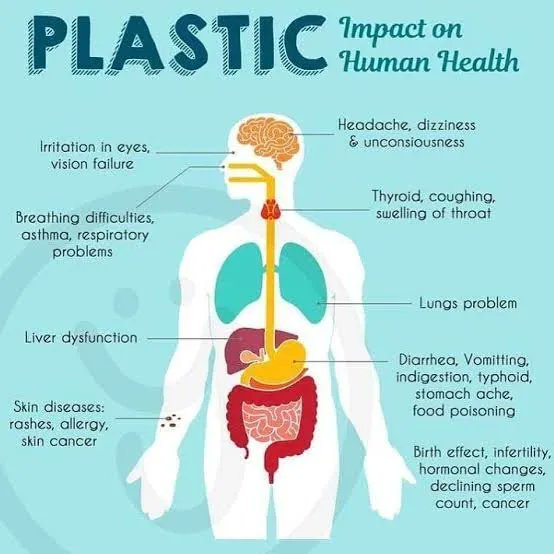
⚠️ Health Concerns Linked to Microplastics
Although research is still ongoing, studies suggest multiple risks:
🔸 Inflammation and Cellular Damage:
Microplastics can cause oxidative stress and inflammation at a cellular level.
🔸 Hormonal Disruption:
Plastics often carry endocrine-disrupting chemicals (like BPA and phthalates), which can interfere with hormones.
🔸 Gastrointestinal Issues:
Microplastics can disturb gut microbiota and damage the intestinal lining.
🔸 Potential Carcinogenic Risk:
Certain plastics contain additives known to promote cancer formation under long-term exposure.
🔸 Crossing Biological Barriers:
Evidence suggests microplastics can penetrate tissues and possibly reach organs such as the placenta.
🍽️ How Microplastics Enter Our Food and Body
It’s alarming how easily microplastics sneak into our daily life:
🔹 Drinking Water:
Tap water and bottled water both contain microplastics
🔹 Seafood:
Fish and shellfish often ingest plastics in oceans, which then end up on our plates.
🔹 Salt and Sugar:
Studies have found microplastics in table salt and processed sugars.
🔹 Fruits and Vegetables:
Recent studies detected microplastics in farm produce via contaminated water and soil.
🔹 Airborne Dust:
Yes, you can inhale microplastics in household dust and outdoor air!
🔹 Tea Bags and Food Packaging:
Certain plastic-based tea bags and food wraps leach plastics directly into your beverages and meals.
🚫 How to Reduce Your Exposure to Microplastics
While total avoidance is nearly impossible today, you can significantly lower your risk:
✨ Switch to Natural Fibres:
Choose clothing from organic cotton, linen, or hemp instead of synthetic fabrics like polyester.
✨ Avoid Plastic Bottles:
Use stainless steel, copper, or glass water bottles.
✨ Minimise Packaged Foods:
Buy fresh, loose fruits and vegetables instead of pre-packaged ones.
✨ Filter Your Water:
Invest in a high-quality water filter (especially ones certified to remove microplastics).
✨ Cook Fresh:
Reduce the use of ready-to-eat, processed foods often packaged in plastic.
✨ Eco-Friendly Tea:
Use loose-leaf tea and stainless steel infusers instead of plastic-based tea bags.
✨ Choose Natural Body Care:
Avoid products with microbeads. Look for “microbead-free” labels in cosmetics and scrubs.
🏡 How to Make Your Home Plastic-Free (or Almost!)
Transform your home into a safer, healthier environment:
🔹 In the Kitchen:
-
Replace plastic storage with glass or stainless steel containers.
-
Use cloth bags for shopping instead of plastic.
-
Choose bamboo or steel utensils.
🔹 For Cleaning:
-
Use natural fibre brooms and wooden brushes instead of synthetic ones.
-
Make DIY cleaners with vinegar, baking soda, and essential oils to reduce bottled products.
🔹 In the Bathroom:
-
Switch to bar soaps, shampoo bars, and wooden toothbrushes.
-
Choose cotton or bamboo towels.
🔹 In Clothing:
-
Buy quality over quantity — invest in durable, sustainable fabrics.
-
Wash clothes in cold water to reduce microfibre shedding.
🔹 Home Decor:
-
Use wood, clay, metal, or cotton-based decor rather than plastic ornaments.
🔹 Kids’ Toys:
-
Choose wooden or fabric toys instead of plastic toys whenever possible.
✨ Remember: Every small shift you make helps protect your body, your home, and the planet 🌍.
🌟 Final Thoughts
Microplastics represent a hidden but serious threat to human health and the environment.
By making conscious lifestyle changes, supporting sustainable products, and raising awareness, we can reduce their impact significantly.
Small daily choices ➡️ Massive long-term impact! 🌱
🔗 You May Also Find These Readings Helpful:
-
[Cancer-Causing Substances Recently Banned in Food by the FDA: A Step Toward Safer Consumption]
- [8 Powerful Ways to Prevent Childhood Cancers]
📚 References:
-
Thompson RC, Olsen Y, Mitchell RP, Davis A, Rowland SJ, John AWG, McGonigle D, Russell AE. (2004). Lost at sea: Where is all the plastic? Science, 304(5672), 838.🔗 PubMed
-
Wright SL, Kelly FJ. (2017). Plastic and human health: A micro issue? Environmental Science & Technology, 51(12), 6634–6647.🔗 PubMed
-
Galloway TS (2017). Marine microplastics. Current Biology, 27(11), R445–R446. 🔗 Journal
-
Prata, J. C., da Costa, J. P., Lopes, I., Duarte, A. C., & Rocha-Santos, T. (2020). Environmental exposure to microplastics: An overview on possible human health effects. Science of the Total Environment, 702, 134455.🔗 PubMed
-
Ragusa, A., Svelato, A., Santacroce, C., Catalano, P., Notarstefano, V., Carnevali, O., et al. (2021). Plasticenta: First evidence of microplastics in human placenta. Environment International, 146, 106274.🔗 PubMed
-
Kosuth, M., Mason, S. A., & Wattenberg, E. V. (2018). Anthropogenic contamination of tap water, beer, and sea salt. PLOS ONE, 13(4), e0194970.🔗 PubMed
-
Lusher, A. L., McHugh, M., & Thompson, R. C. (2013). Occurrence of microplastics in the gastrointestinal tract of pelagic and demersal fish from the English Channel. Marine Pollution Bulletin, 67(1–2), 94–99.🔗 PubMed
- Karami, A., Golieskardi, A., Choo, C. K., Larat, V., Karbalaei, S., & Salamatinia, B. (2017). The presence of microplastics in commercial salts from different countries. Scientific Reports, 7, 46173.🔗 Journal
- Oliveri Conti, G., Ferrante, M., Banni, M., Favara, C., Nicolosi, I., Cristaldi, A., Fiore, M., & Zuccarello, P. (2020). Micro- and nano-plastics in edible fruit and vegetables: The first diet risks assessment for the general population. Environmental Research, 187, 109677.🔗 PubMed
- Prata, J. C. (2018). Airborne microplastics: Consequences to human health? Environmental Pollution, 234, 115–126.🔗 Journal
- Hernandez, L. M., Xu, E. G., Larsson, H. C. E., Tahara, R., Maisuria, V. B., & Tufenkji, N. (2019). Plastic teabags release billions of microparticles and nanoparticles into tea. Environmental Science & Technology, 53(21), 12300–12310. 🔗 Journal

Akanksha Sharma
Dr Akanksha Sharma (MBBS, MD) is a physician and women’s health nutrition specialist, and the founder of IYSA Nutrition. She provides evidence-based, doctor-led nutrition guidance for pregnancy, postpartum recovery, PCOS, child nutrition, and family health, helping women make calm, informed decisions about their health and their children’s well-being.