
Hydration + energy + gut-friendly options—without sugar crashes
Singapore’s weather is hot, humid, and sweat-inducing most of the year. The Met Service notes Singapore’s mean annual relative humidity is around ~82%, and 2024 was Singapore’s warmest year on record (tied) with an annual average temperature of 28.4°C.
That matters because even mild dehydration can affect mood, focus, and energy—something research has explored in hydration–cognition studies.
Below are the best morning drinks that suit Singapore’s climate and common health goals (fat loss, better sugar control, gut comfort, and sustained energy). 😊
Before we start: 3 rules for “good” morning drinks ✅
-
Hydrate first (especially if you wake up sweaty / air-con dehydrated).
-
Avoid sugar spikes (sweet drinks in the morning → cravings + crashes).
-
Match the drink to your body (acid reflux? breastfeeding? PCOS?—choose accordingly).
HPB commonly recommends 6–8 glasses of water daily as a general guide.
1) Plain water (still #1) 💧
Best for: everyone, especially in humid weather
How to do it (simple): 300–500 ml on waking.
If plain water feels boring, flavour it with natural additions (e.g., fruits) to make hydration easier.
Avoid if: none—unless you have fluid restrictions from your doctor.
2) “Singapore morning electrolyte” (low sugar) 🧂🍋
Best for: sweaty sleepers, morning workouts, headaches on waking
Why: You lose fluid + electrolytes easily in humidity.
Recipe (home):
-
300–400 ml water
-
1–2 tbsp lemon/lime juice
-
pinch of salt
-
optional: ½ tsp honey only if you’re not insulin resistant
Pro tip: If you’re working on sugar control, skip honey.
👉5 Science-Backed Morning Drinks to Balance Blood Sugar
👉Turmeric and Inflammation: What the Science Actually Says
3) Unsweetened kopi/tea (timed right) ☕🍵
Best for: energy + appetite control (when not loaded with sugar/cream)
There’s strong observational evidence that coffee intake is associated with a lower risk of type 2 diabetes in dose-response analyses.
Doctor-approved order upgrades (Singapore style):
-
Kopi O kosong / Teh O kosong
-
Kopi/teh siew dai (if you’re transitioning)
-
If milk: choose less condensed, more evaporated or fresh milk (watch calories)
Avoid / limit if: reflux, anxiety, palpitations, pregnancy (see note below), insomnia.
Pregnancy note: WHO advises reducing high caffeine intake in pregnancy (>300 mg/day).
👉 Gut Health Problems Common in Singapore Women (if coffee worsens acidity/bloating)
👉IBS in Women: Managing Irritable Bowel Syndrome Through Diet
4) Green tea / Matcha (unsweetened) 🍵✨
Best for: those who want a “lighter” caffeine option + polyphenols
Green tea catechins have been studied for potential effects on body composition and fat oxidation mechanisms (not a magic fat burner, but supportive).
How to drink it Singapore-friendly:
-
hot green tea, or iced green tea without syrup
-
matcha with unsweetened milk (dairy/soy) + cinnamon
Avoid if: very sensitive to caffeine, severe reflux.
👉 Healthiest Hawker Choices for Weight Loss in Singapore
5) Ginger tea (especially if you bloat easily) 🌿🙂
Best for: nausea, bloating-prone mornings, “heavy stomach”
Ginger has clinical research and systematic reviews supporting GI symptom benefits in certain contexts.
Recipe:
-
sliced ginger + hot water
-
optional: squeeze of lemon
-
optional: pinch of cinnamon
Avoid if: you’re on blood thinners or have gastritis that flares with spices (individual).
👉7 Ayurvedic Morning Drinks to Kickstart Your Day with Balance and Vitality
👉 Struggling with weight or energy despite “doing everything right”?
A structured, hormone-aware approach can make the difference. Click here to book a FREE 20-minute consultation call.
6) Probiotic yogurt lassi (low sugar) 🥛🦠
Best for: gut support + protein boost (especially for kids/teens too)
Yoghurt intake is associated with changes in gut microbiome and reduced visceral fat mass in observational research.
Singapore-friendly recipe (no sugar):
-
150–200 g plain yoghurt/Greek yoghurt
-
water to thin
-
pinch of roasted cumin + salt
-
optional: mint
Avoid if: lactose intolerance (choose lactose-free yoghurt), acute diarrhoea (keep it simple).
👉 Is Protein Deficiency Common in Singapore Children? (for family angle)
7) Barley water / herbal infusions (choose wisely) 🌾
Best for: people who struggle with plain water
Choose versions with minimal/no added sugar (many commercial barley drinks are sugar bombs).
What to avoid (common Singapore morning traps) 🚫🧋
-
sweetened kopi/teh + kaya toast combo daily
-
bottled “healthy” juices (often high sugar)
-
bubble tea as “breakfast”
-
energy drinks (not hydration)
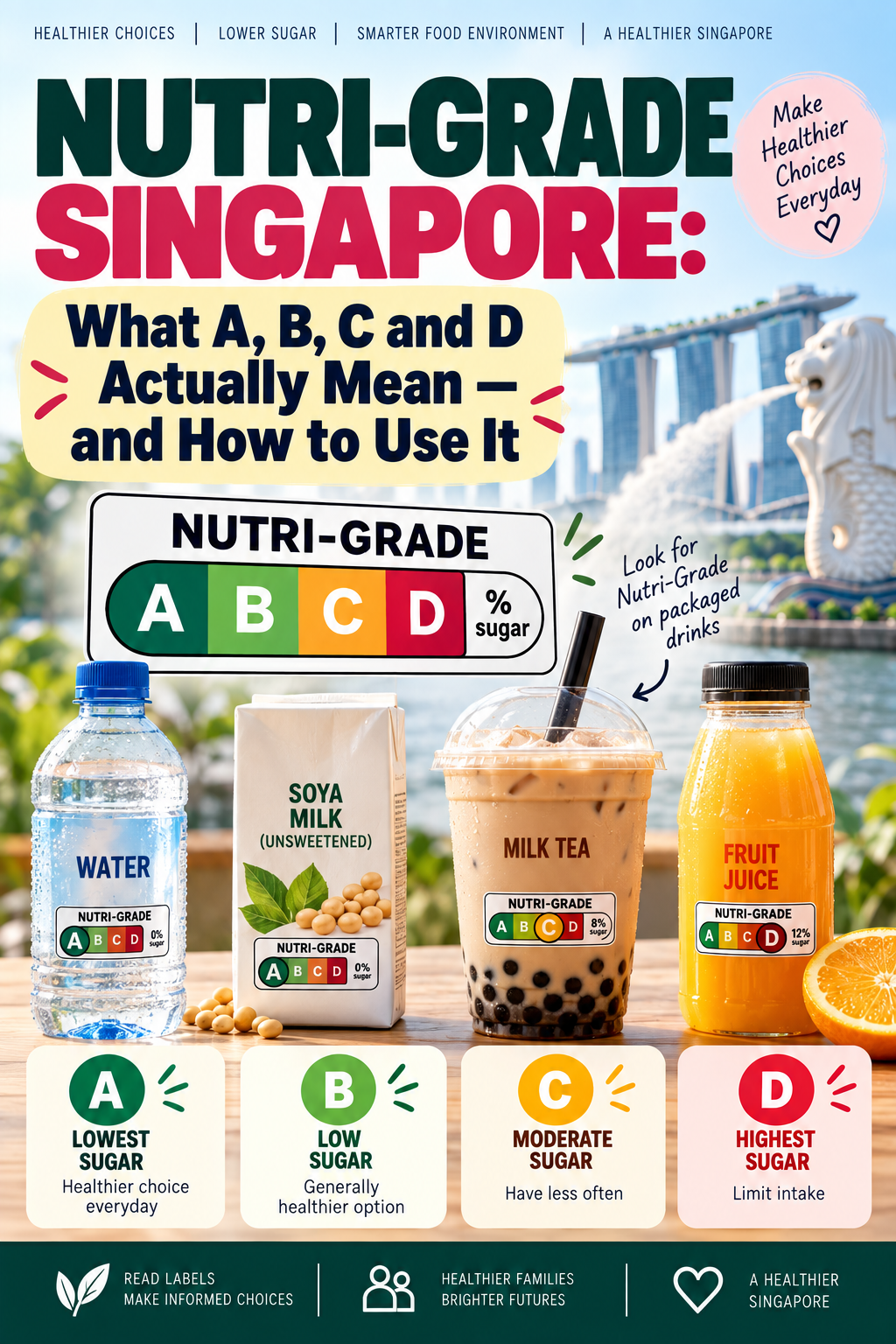
It is encouraged to cut down on sugar in drinks as part of healthier dietary habits.
👉 Want practical drink swaps that lower sugar without dieting?
Download my Healthy Hawker Food Cheat Sheet.
Quick chooser: which morning drink suits YOU? ✅
-
Low energy + headaches: electrolyte water
-
Weight loss goal: water + kopi O kosong / green tea
-
Bloating/acidic stomach: ginger tea + warm water
-
High sugar risk/PCOS: unsweetened drinks only + protein at breakfast
-
Postpartum/breastfeeding: hydration + simple milk-based drink if tolerated (watch caffeine)
📩 Click here to book a FREE consultation with Dr Akanksha Sharma — personalised metabolic nutrition consultations for women and kids in Singapore and India.
FAQs 🙋♀️
1) Should I drink warm water or cold water in the morning?
Either is fine. Choose what helps you drink more consistently—hydration matters more than temperature.
2) Is lemon water “detox”?
Your liver and kidneys detox naturally. Lemon water is helpful mainly because it improves hydration and taste.
3) Is coffee on an empty stomach bad?
For some people, yes—especially if you have reflux/anxiety. Try coffee after a light bite (banana, toast + egg, yoghurt).
4) What’s the best morning drink for fat loss?
Plain water first, then unsweetened coffee/tea. Avoid sugar-loaded drinks that trigger cravings.
5) What should people with high sugar/prediabetes avoid most?
Sweetened kopi/teh, juice, sweet cereal drinks, and “healthy” bottled drinks with hidden sugar.

Akanksha Sharma
Dr Akanksha Sharma (MBBS, MD) is a physician and women’s health nutrition specialist, and the founder of IYSA Nutrition. She provides evidence-based, doctor-led nutrition guidance for pregnancy, postpartum recovery, PCOS, child nutrition, and family health, helping women make calm, informed decisions about their health and their children’s well-being.