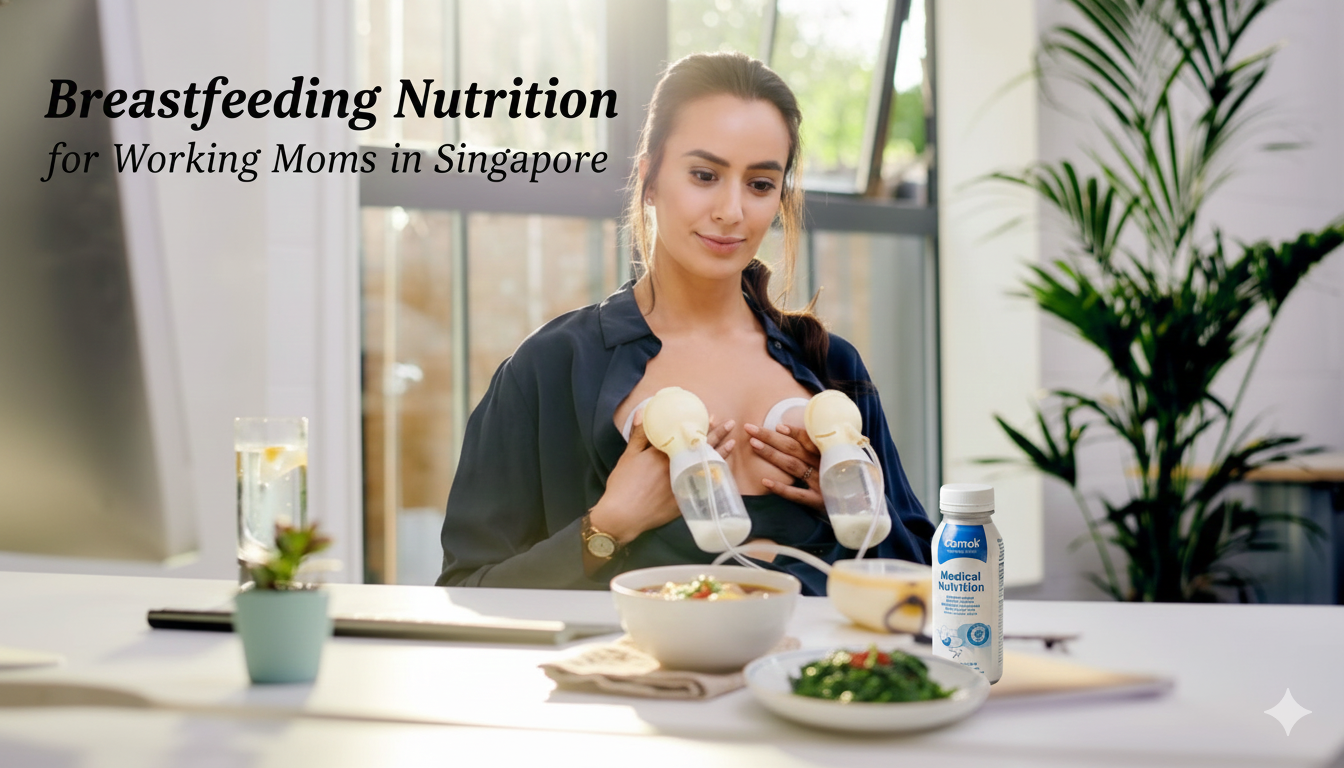
Breastfeeding while working is not a test of willpower, it’s a test of planning, nourishment, and support. If you’re a working mom in Singapore, you’re juggling deadlines, commute times, pumping schedules, and a tiny human who still depends on you for optimal nutrition. The good news? With the right food choices, hydration strategy, and realistic routines, you can maintain milk supply, energy, and sanity.
This guide breaks it all down, without guilt, without extremes, and with science-backed clarity.
Understanding Breastfeeding Nutrition for Working Moms
Breastfeeding moms don’t just “need a bit more food.” Lactation is a metabolically active state. Your body prioritises milk production even if you run on empty. Over time, this leads to fatigue, hair fall, headaches, poor recovery, and supply dips.
Common myth: “Once I’m back at work, milk supply naturally drops.”
Truth: Supply drops most often due to inadequate calories, protein, fluids, sleep, and pumping frequency, not because you work.
Calorie & Energy Needs During Lactation
Most breastfeeding moms need ~450–500 extra calories/day in the first 6 months. Working moms often need more due to:
-
Mental stress
-
Physical commuting
-
Missed meals
🔹 Key takeaway: Skipping meals to “lose baby weight” often reduces milk supply before weight drops.
Related reading:
👉 Postpartum Nutrition: Doctor’s Insights for Optimal Recovery
👉Pregnancy & Postpartum Nutrition: A Doctor-Reviewed Guide
Macronutrients That Support Milk Production
Protein: The Backbone of Milk
Aim for 1.1–1.3 g/kg/day.
Good options:
-
Paneer, tofu
-
Greek yogurt, curd
-
Eggs
-
Dal, chana, rajma
-
Whey or plant protein (if meals are rushed)
- Chicken, fish
Carbohydrates: Don’t Fear Them
Carbs support lactose production in milk.
Choose:
-
Rice, millet, oats
-
Fruits
-
Root vegetables
Healthy Fats
Essential for the baby’s brain:
-
Ghee (1–2 tsp/day)
-
Nuts & seeds
-
Olive oil
-
DHA sources (eggs, algae-based supplements)
Micronutrients You Cannot Ignore
-
Calcium: 1000 mg/day (curd, milk, tofu, ragi)
-
Iron: Especially if postpartum anaemia persists
-
Iodine: Crucial for baby’s neurodevelopment
-
Vitamin D: Very commonly deficient in Singapore
-
Vitamin B12: Especially in vegetarian moms
-
DHA: Supports infant brain and vision
📚 Evidence shows maternal micronutrient status directly affects breastmilk quality
Hydration: The Silent Milk Booster
Milk is ~88% water.
Practical target:
-
2.5–3 L/day
-
Add 500 ml around pumping sessions
Smart hydration at work:
-
Warm water bottle at desk
-
Coconut water (unsweetened)
-
Buttermilk
-
Clear soups
Singapore-Specific Challenges for Working Moms
-
Short lunch breaks
-
Long commutes
-
“I forgot to eat” syndrome
-
Over-reliance on coffee ☕
Reality check: Hawker food can fit into a breastfeeding diet with smart swaps.
Related reading:
👉Top 10 Healthy Foods to Have at Singapore’s Hawker Centers
What to Eat on a Typical Workday
Breakfast (Non-Negotiable)
-
Vegetable omelette + toast
or -
Oats with milk, nuts & seeds
or -
Besan chilla (Bengal gram flour pancakes with veggies) + curd
Office Lunch
-
Rice + dal + veg + paneer/egg
-
Or a grain bowl with tofu/chicken
Smart Snacks
-
Fruit + nuts
-
Yogurt
-
Protein shake
-
Roasted chana (Bengal gram)
Dinner
-
Simple, warm, balanced
-
Avoid skipping—night feeds drain energy stores
Easy Lactation-Friendly Indian & Asian Foods
-
Khichdi with ghee
-
Vegetable upma
-
Paneer bhurji
-
Fish soup (if non-veg)
-
Egg curry
-
Dal palak
These foods support digestion, energy, and milk flow without heaviness.
Related reading:
👉Boosting the Fat Content of Breast Milk Naturally: Diet & Herbal Remedies
Foods That Help vs Foods That Hurt
Helpful
-
Whole grains
-
Warm meals
-
Fennel, cumin
-
Nuts & seeds
May Cause Issues (Individual-Dependent)
-
Excess caffeine
-
Highly spicy food
-
Ultra-processed snacks
There’s no universal “milk-reducing food”—context matters.
Caffeine, Weight Loss & Breastfeeding
✔ Up to 200 mg caffeine/day is generally safe.
✘ Crash dieting is not.
Gentle fat loss happens when:
-
Calories are adequate
-
Protein is sufficient
-
Stress is managed
Related reading:
👉Starter Guide to Getting Your Body Back After Having a Baby
Meal Prep Tips for 9-to-6 Moms
-
Cook dal/beans in bulk
-
Chop veggies on weekends
-
Keep emergency snacks at work
-
Use frozen rotis wisely
Progress > perfection.
Supplements: Do You Need Them?
Often helpful:
-
Vitamin D
-
B12
-
DHA
-
Iron (if deficient)
Always individualise. Blood tests matter. Consult your doctor first.
Warning Signs You’re Under-Fueling
-
Falling milk output
-
Headaches
-
Dizziness
-
Intense sugar cravings
-
Mood swings
Your body whispers before it screams—listen early.
Mental Load, Stress & Milk Supply
Stress elevates cortisol, which interferes with oxytocin (“let-down” hormone).
Tiny buffers:
-
5 slow breaths before pumping
-
Warm compress
-
Reassuring thoughts (yes, mindset matters)
Related reading:
👉Burnout in High-Achieving Singapore Mothers: A Practical Recovery Plan
When to Seek Professional Help
If you’re:
-
Constantly exhausted
-
Losing supply despite pumping
-
Confused by online advice
👉 Struggling to balance work, breastfeeding, and your own health?
Explore my doctor-designed breastfeeding & postpartum nutrition plans tailored for working moms in Singapore.
Conclusion
Breastfeeding while working in Singapore is challenging but absolutely doable. The solution isn’t superfoods or strict rules. It’s consistent nourishment, realistic planning, and self-compassion. When you fuel your body well, you don’t just feed your baby you protect your own long-term health.
FAQs
1. Can I breastfeed successfully after returning to work full-time?
Yes. With adequate calories, regular pumping, and hydration, many moms continue beyond one year.
2. Does stress really affect milk supply?
Yes. Stress impacts let-down reflex, not milk production but repeated interference can reduce output.
3. Is it safe to diet while breastfeeding?
Aggressive dieting is not recommended. Gentle, slow fat loss is safer.
4. Do I need special lactation foods?
No magic foods exist. Balanced, adequate nutrition works best.
5. When should I consider supplements?
If blood tests show a deficiency or if dietary intake is inadequate.
References (PubMed-indexed):
-
Neville MC et al. Lactation and maternal nutrition. Am J Clin Nutr.
-
Kent JC et al. Breastmilk production and maternal factors. Pediatrics.
-
Dewey KG. Energy and protein requirements during lactation. FAO/WHO.

Akanksha Sharma
Dr Akanksha Sharma (MBBS, MD) is a physician and women’s health nutrition specialist, and the founder of IYSA Nutrition. She provides evidence-based, doctor-led nutrition guidance for pregnancy, postpartum recovery, PCOS, child nutrition, and family health, helping women make calm, informed decisions about their health and their children’s well-being.